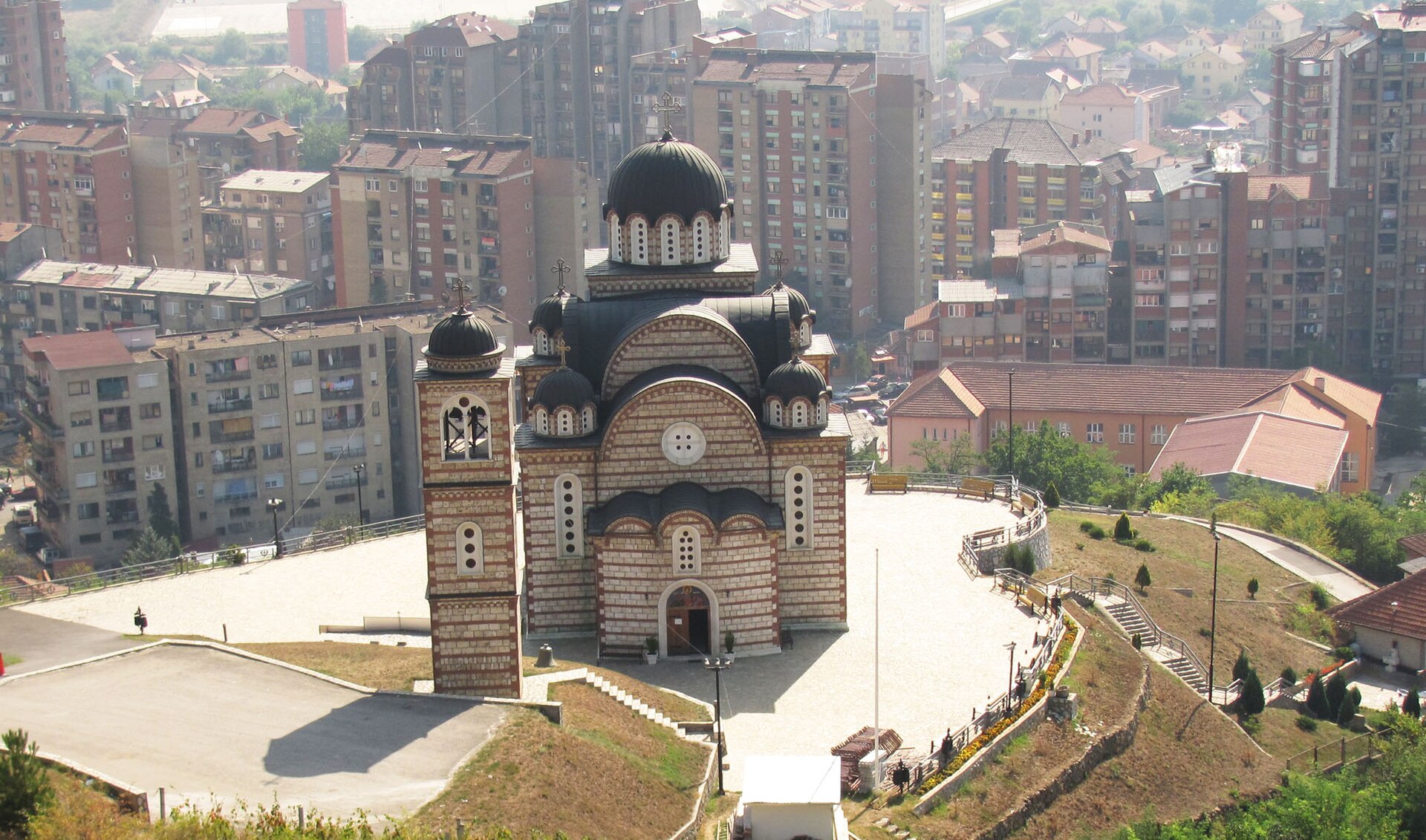
Kosovska Mitrovica is a city where history isn’t just remembered—it’s lived. The past lingers in its streets, in the way the river Ibar divides memories, identities, and time. On the northern bank, where Serbian is spoken more often than Albanian, the Church of Saint Demetrius stands as a witness to what has come before. It’s not a grand monument. It’s a place where faith and daily life endure.
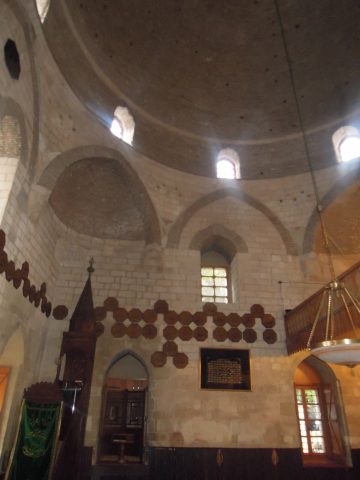
The church doesn’t demand attention. Built from pale stone, its lines are simple, its dome modest, rising just above the rooftops of the surrounding houses. Inside, the space is uncluttered. An iconostasis, rows of wooden pews, and walls with traditional Orthodox frescoes create an atmosphere that feels sacred and familiar.
The story of Saint Demetrius is tied to Kosovska Mitrovica. The city has long been a crossroads. In the Middle Ages, it was a hub; under Ottoman rule, it absorbed new influences. Serbs, Albanians, Muslims, Catholics—all left their mark. The church was built in the 19th century, when Kosovo was part of the Ottoman Empire. For the Serbian community, it was a statement. A reminder that their faith and traditions would not disappear.
The 20th century brought changes. After World War II, the city became part of Yugoslavia. In the late 1990s, it was at the heart of a conflict that redrew the Balkans. When Kosovo declared independence in 2008, Kosovska Mitrovica split. The southern part, predominantly Albanian, became part of the new state. The northern part, where the church stands, remained under Serbian control. For the people here, Saint Demetrius became a refuge, a connection to the life they had always known.
On Sundays, the church fills with its congregation. Elderly women in headscarves, men with weathered faces, families with children gather for services in Church Slavonic. The chants rise and fall, the scent of incense mingling with the cool air. Outside, the small courtyard is still. In summer, old women sit on benches under the trees; in winter, snow settles on the stone slabs. The bell tower rings softly, its sound carrying over the rooftops.
The church is also a cultural anchor. Major Orthodox holidays—Christmas, Easter—bring people together. Even those who don’t attend services regularly often show up for these occasions, drawn by tradition. The church is where news is shared, where celebrations are held, where people remember what they have in common. The city around it is tense, with Serbian flags flying from buildings. But inside these walls, the focus shifts to what unites.
For many, the church is a symbol of continuity. It’s a place where the past is lived. When outsiders visit, they find no guided tours, no plaques—just the quiet presence of the building. The scent of wax, the flicker of candlelight, the old icons exist as they always have.
Kosovska Mitrovica is a city of contrasts. But in the shadow of Saint Demetrius, that weight feels lighter. The church doesn’t offer answers. Its presence is enough—a reminder that some things endure because they are woven into life itself.