Kosovska Mitrovica
Kosovo · 8 places
Photo: GentiBehramaj, CC BY-SA 4.0
Mitrovica sits on the banks of the Ibar River, a city split not just by water but by history. The river divides it: the north, where Serbian is spoken and older buildings stand, and the south, where Albanian is the main language and the streets move differently. This isn’t just a line on a map—it’s where politics and daily life meet, where the air feels tense with things left unsaid. There are no tourist crowds here. Instead, there’s a quiet intensity, a place that exists on its own terms.
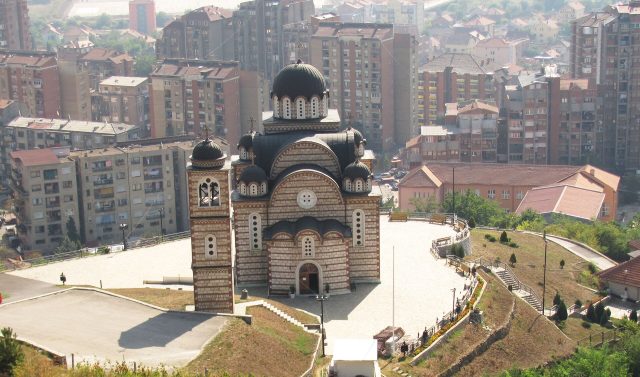
The northern part of the city has wide streets and low buildings with terracotta roofs. Cafés spill onto sidewalks, where men sit over coffee, speaking Serbian, Russian, or English. Abandoned factories stand empty, reminders of when Mitrovica was an industrial center. The south is brighter, with new construction and markets. Yet both sides share the same pulse, a rhythm that doesn’t match the rest of Kosovo.
This isn’t a city that tries to impress. It doesn’t have the rush of Pristina or the quiet of smaller towns. Instead, there’s resilience, a way of living with history before it’s even become the past. On the streets, you’ll hear Serbian, Albanian, or a mix—people moving around invisible lines they know well but ignore until they can’t. The markets are busy, the cafés full, but there’s always something beneath the surface, a reminder of what this place has seen.
Mitrovica is surrounded by forested hills, with the Ibar winding through the valley. Summers are hot, winters cold, but the seasons don’t soften the city’s edge. History isn’t in museums—it’s in the crumbling buildings, the way people talk, the way they carry themselves. There are no guided tours or scripted experiences. What you get is reality, unfiltered. It stays with you long after you leave.
Mitrovica doesn’t ask for your approval. It simply is.
See & Do
7 places
Places on the map
Marker colour follows the categoryClimate and weather
Detailed weather: Kosovska Mitrovica- Average temperature
- 13 °C
- Precipitation per year
- 641 mm
- Average humidity
- 71 %
- Sunshine hours per day
- 9.6 h
- Time zone
- UTC+2 (GMT+2)
Average air temperature
°C
3
4
8
11
15
21
24
23
19
13
7
4
Jan
Feb
Mar
Apr
May
Jun
Jul
Aug
Sep
Oct
Nov
Dec