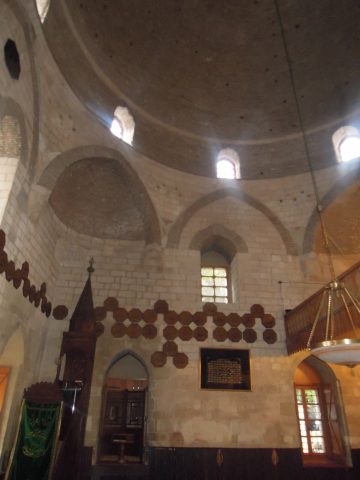
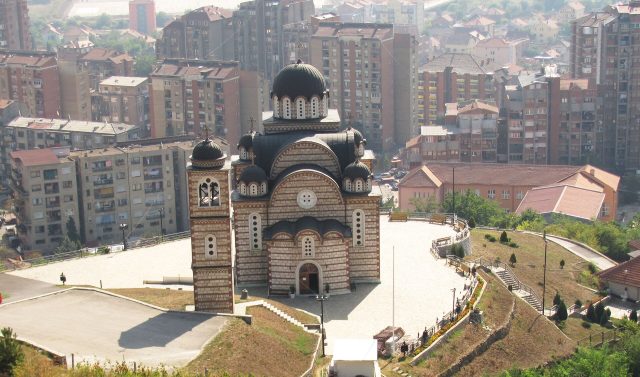
The Mitrovica Museum is one of those quiet places where history isn’t just displayed—it lingers in the air, in the creak of floorboards, in the way light spills through tall windows onto worn stone walls. Housed in a building that has stood since the early 1900s, it carries the marks of empires that once ruled here: the Ottomans, then Yugoslavia, each leaving their imprint on its architecture. The structure itself is a blend of Balkan and European influences, with high ceilings, heavy wooden doors, and spacious rooms that feel more like a grand old home than a formal institution. There’s no grandeur here, just a sense of authenticity, as if the walls themselves remember the people who walked through them.
The museum’s collection spans centuries, from ancient artifacts to modern history, but its heart lies in the story of Mitrovica itself. Archaeological finds—pottery, coins, tools—hint at life here under Roman rule and later during the medieval Serbian kingdoms. The exhibits also highlight the city’s long connection to mining, a trade that shaped its identity for generations. Documents and photographs from the 20th century offer glimpses into wartime struggles and social upheavals, moments when the city’s fate hung in the balance. It’s a fragmented narrative, one that doesn’t try to smooth over contradictions but instead lets them stand as they are.
A separate section is devoted to the everyday lives of the people who called this region home. Traditional clothing, household items, and tools of old crafts paint a picture of rural life a century or two ago. There’s something deeply human about these objects: embroidered linens, clay jugs, wooden spinning wheels. They remind you that history isn’t just about battles and borders—it’s also about the small, ordinary moments that make up a life. The museum doesn’t romanticize the past; it simply preserves these traces, letting them speak for themselves.
Beyond its permanent displays, the museum often hosts temporary exhibitions—contemporary art, photography, or projects exploring Kosovo’s cultural and historical themes. Occasionally, it becomes a space for discussion, with lectures or talks by artists and historians. This makes it more than just a repository of artifacts; it’s a place where the past and present intersect, where visitors can engage with the region’s complex identity in a way that feels immediate and personal.
The building itself is part of the story. Over the decades, it has served many purposes—administrative offices, wartime shelters, a cultural hub. The wear and tear of time is visible in the cracks in the plaster, the darkened corners, the way the floorboards groan underfoot. These details don’t just add character; they make the past feel tangible, as if the building is still holding onto the echoes of those who passed through its doors.
Mitrovica is a city shaped by division and resilience, and the museum reflects that duality. There’s no single narrative here, no attempt to impose a neat version of history. Instead, it presents fragments—some overlapping, some conflicting—leaving visitors to piece them together for themselves. For some, it might be a window into Serbian heritage; for others, a glimpse of Kosovo’s evolving identity. For many, it’s simply a place to pause and consider how cities endure, how people adapt, and how the past continues to shape the present.
A visit here doesn’t take long, but it leaves an impression. This isn’t a museum where you linger for hours over every exhibit. It’s more like a quiet conversation with the past, one that invites you to step outside afterward and see the city with new eyes. The streets of Mitrovica, its bridges and cafes, suddenly feel richer, as if the layers of history beneath them have become just a little more visible.
The Mitrovica Museum isn’t a major tourist attraction, and that’s part of its charm. There are no crowds, no gift shops, no pressure to rush through. Just the quiet hum of a place that has seen generations come and go, and the chance to sit with that history for a while. It won’t tell you everything about this region, but it might just spark the curiosity to learn more.