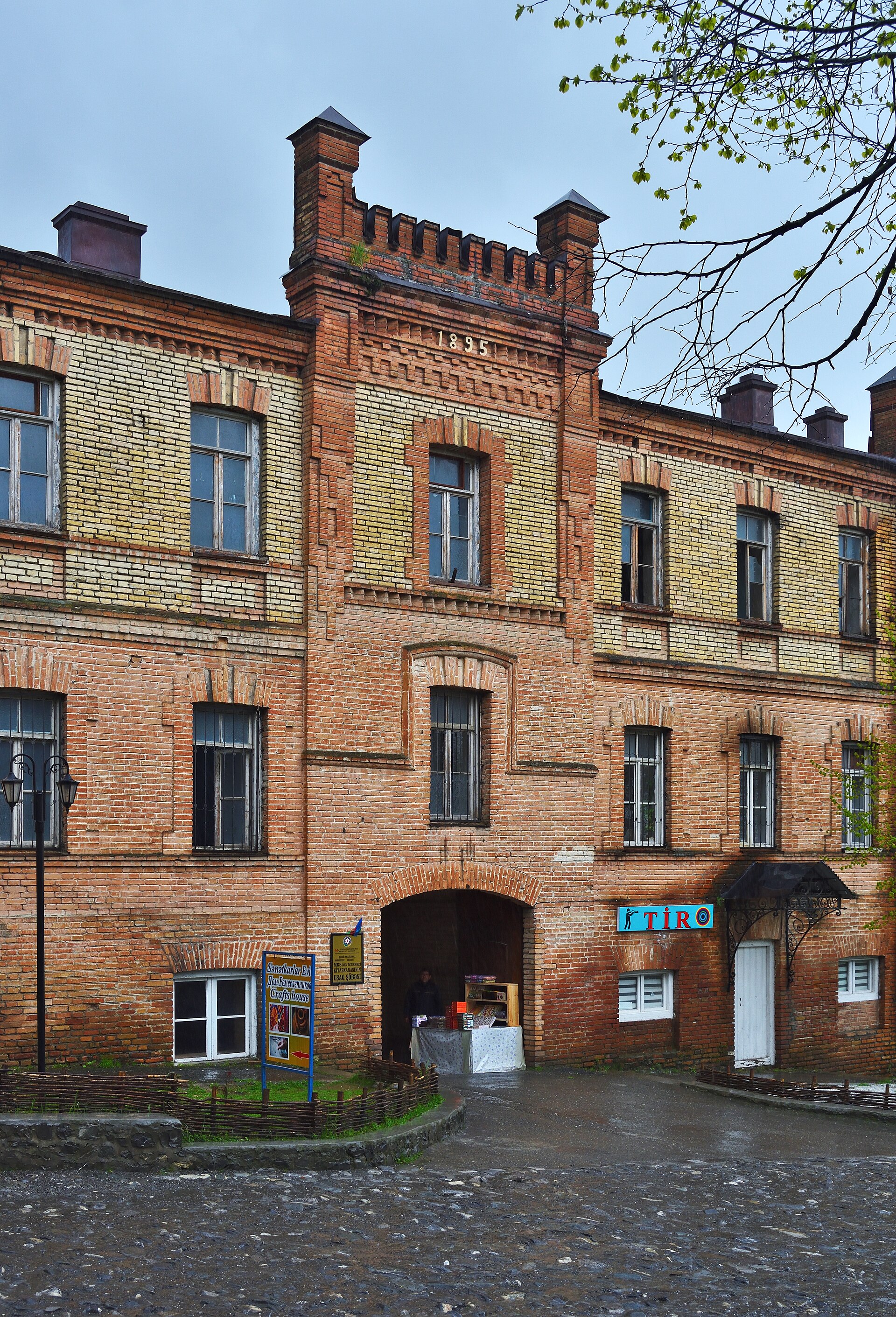
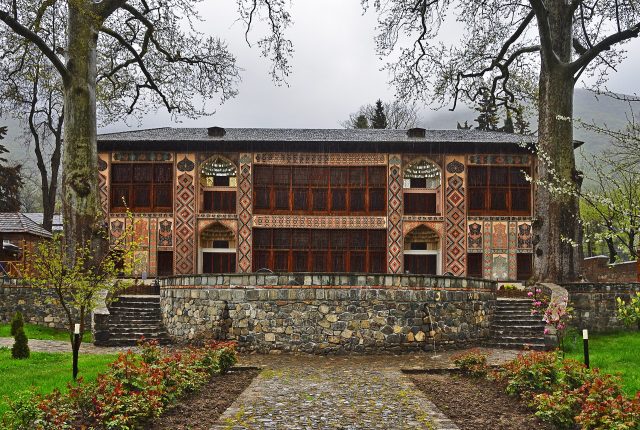
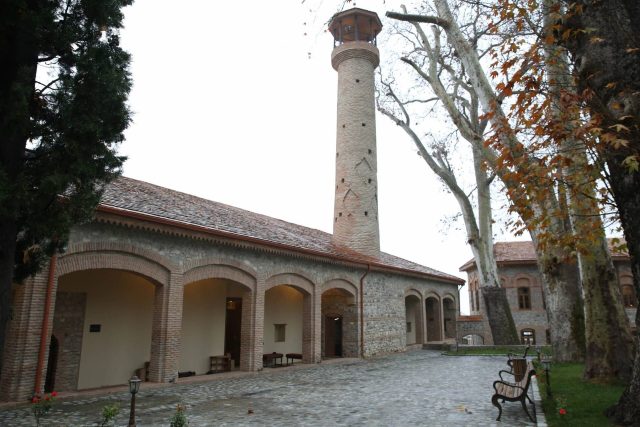
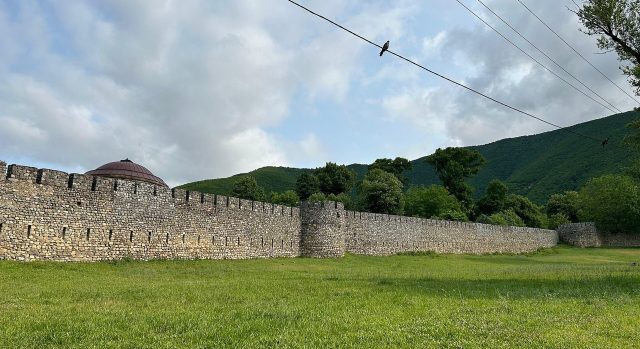
Sheki is a town where time seems to have paused, its narrow streets winding between old houses with intricately carved wooden balconies, while the minarets of mosques rise above tiled roofs. Nestled in the foothills of the Greater Caucasus, the past lingers in every corner, and nowhere is it more tangible than in the Sheki History Museum. Housed in a former 18th-century caravanserai, the building itself is a monument to the region’s architectural heritage. Once a resting place for merchants traveling the Silk Road, its walls now hold the stories of centuries.
The museum’s collection spans far beyond its mid-20th-century founding, gathering artifacts from ancient times to the present day. Among the exhibits are items unearthed in local archaeological digs—pottery, tools, jewelry, and coins—each offering a glimpse into the lives of those who once inhabited this land. The medieval period, when Sheki thrived as a center of craftsmanship and trade, is particularly well represented. Visitors can see examples of traditional clothing, weapons, and household objects that paint a vivid picture of both urban and rural life in the region.
One of the most compelling sections of the museum is dedicated to Sheki’s artistic and craft traditions. The town has long been known for its skilled artisans—silk weavers, jewelers, and woodcarvers whose work has left a lasting mark. The museum displays old looms, samples of Sheki silk with its distinctive patterns, and silver and copper items that once adorned the homes of wealthy merchants. The wooden panels and doors, adorned with intricate geometric and floral designs, are especially striking, their craftsmanship still impressive after centuries.
The museum also preserves the more recent history of Sheki through documents and photographs. Here, the turbulent events of the 20th century come to life—empires rising and falling, revolutions, wars, and the Soviet era. Old newspapers, personal letters, and early photographs capture the everyday rhythms of the town, particularly in the early 1900s when Sheki still retained its traditional character while gradually embracing modernity. The images from this period are especially evocative, showing a way of life that was already beginning to fade.
The building that houses the museum is a story in itself. The caravanserai, constructed in the 18th century, was more than just a lodging for merchants—it was a hub of commerce, where goods were stored and traded. Its thick adobe walls, central courtyard with a fountain, and high vaulted ceilings create an atmosphere that transports visitors back to a time when the place bustled with activity. Today, the courtyard often hosts exhibitions and cultural events, making it a lively space, especially in warmer months.
Unlike grand metropolitan museums, the Sheki History Museum feels intimate and unpretentious. There’s no overwhelming scale here, just a quiet authenticity that invites reflection. Each exhibit, each object, seems to whisper about the people who lived in this corner of the Caucasus—their traditions, their struggles, and the changes they endured. The museum doesn’t aim to impress with grandeur, and that’s precisely its charm. It tells the story of a town and its people, not an abstract nation.
A visit to the museum pairs naturally with a stroll through Sheki’s old quarter. After wandering the exhibits, it’s pleasant to step outside and meander through the narrow alleys, peek into the workshops of local craftsmen, or stop for a cup of tea and a piece of Sheki’s famous baklava. The town moves at its own unhurried pace, and the museum fits seamlessly into this rhythm—unobtrusive yet essential. There are no crowds of tourists here, which allows visitors to take their time, lingering over details that might otherwise go unnoticed.
What the Sheki History Museum leaves behind isn’t a flash of excitement but a quiet, lingering sense of connection to the past. It doesn’t recount tales of great battles or rulers; instead, it shows how ordinary people lived, how their daily lives unfolded, and what values they held dear. That’s its strength—it doesn’t try to be spectacular, but it remains deeply genuine. And perhaps that’s what makes it one of the most compelling places in Sheki.