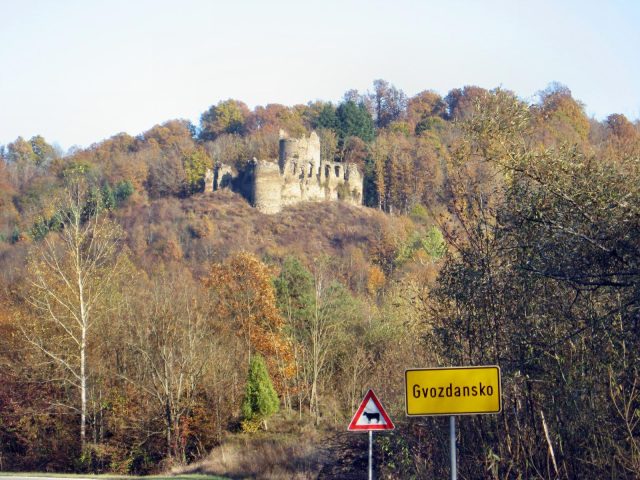
Gvozdansko is a quiet village tucked away in the rolling hills of central Croatia, where the past lingers in the air like the scent of damp earth after rain. It’s not a place you’d stumble upon by accident—most travelers pass it by on their way to the more famous destinations along the coast or the national parks. Yet for those who do make the detour, the old mine here tells a story that stretches back centuries, one of ambition, hardship, and the quiet resilience of a community shaped by the land beneath its feet.
The mine at Gvozdansko isn’t just a relic; it’s a testament to the region’s long and often overlooked role in Europe’s mining history. Silver and lead were first discovered here in the 15th century, and by the 16th century, the area had become a hub of activity. The Habsburgs, who ruled much of Central Europe at the time, saw potential in these hills and invested heavily in the mines. For a while, Gvozdansko thrived. Miners from across the empire—Germans, Hungarians, and locals—worked the tunnels, extracting ore that would be smelted and shipped to distant markets. The wealth generated here helped fund everything from castles to cathedrals, though little of it stayed in the village itself.
What remains of the mine today is a network of tunnels and shafts that wind deep into the earth, some still accessible, others collapsed or flooded over time. The entrance is unassuming, little more than a dark opening in the hillside, but stepping inside is like crossing into another era. The air is cool and still, the silence broken only by the occasional drip of water from the ceiling. The walls bear the marks of pickaxes and drills, their surfaces rough and uneven where generations of miners once worked by the dim light of oil lamps. In places, wooden supports still stand, though they’ve long since petrified, their grain preserved like fossils in the damp underground air.
The mine’s heyday was brief. By the 17th century, the veins of ore had begun to thin, and the cost of extraction grew too high to justify the effort. Wars and plagues further weakened the region, and the mines were gradually abandoned. For centuries, they lay forgotten, their entrances overgrown with brambles, their stories buried under layers of soil and time. It wasn’t until the 20th century that historians and local enthusiasts began to take an interest, piecing together the fragments of Gvozdansko’s past. Today, parts of the mine have been stabilized and opened to visitors, though it remains a place more for the curious than the casual tourist.
Walking through the tunnels, it’s hard not to think about the lives of the miners who once worked here. The conditions would have been brutal—long hours in cramped, poorly ventilated spaces, the constant risk of cave-ins, and the slow toll of silicosis from breathing in dust. Yet for many, the mine was a lifeline, offering steady work in a region where opportunities were scarce. Some of the miners were skilled craftsmen, brought in from other parts of the empire, while others were locals who had little choice but to take whatever work they could find. Their stories are mostly lost now, but the mine itself is a silent witness to their labor.
Above ground, the village of Gvozdansko has changed little over the centuries. The houses are modest, built from the same stone that was once prized for its mineral wealth. A few old smelting furnaces still stand, their brick chimneys reaching toward the sky like skeletal fingers. The landscape around the village is one of quiet beauty—gentle hills covered in oak and beech forests, fields of wildflowers in the spring, and the occasional glimpse of a deer or wild boar moving through the undergrowth. It’s a place where time seems to move more slowly, where the past isn’t just remembered but still felt in the rhythm of daily life.
For those who visit, the mine offers more than just a glimpse into history. It’s a reminder of how deeply human lives have been shaped by the land, how entire communities have risen and fallen on the fortunes of what lies beneath the surface. The story of Gvozdansko isn’t one of grand monuments or famous battles, but of ordinary people who worked, struggled, and endured. In that sense, it’s a story that resonates far beyond this small Croatian village.
If you do come here, don’t expect a polished tourist attraction. There are no gift shops or guided tours with costumed actors. What you’ll find instead is something rarer—a place that feels untouched by time, where the past isn’t packaged for consumption but left to speak for itself. The mine is open to those willing to explore it, but it asks for respect in return. Walk carefully, listen to the silence, and let the weight of history settle over you. It’s not the kind of place that leaves you with easy answers, but it’s the kind that lingers in your thoughts long after you’ve left.