Savanna-la-Mar’s market square is one of those places where the pulse of Jamaica beats strongest, not in the polished resorts or the postcard-perfect beaches, but in the everyday rhythm of a town that has long been a crossroads for trade, culture, and life. This isn’t a place you visit for grand monuments or tourist attractions—it’s where you go to understand how the island’s history and present intersect in the most unassuming way. The square has been the heart of the town since its founding in the 18th century, when Savanna-la-Mar emerged as a key port for sugar, rum, and the goods that flowed between Jamaica and the wider world. Today, it remains a working space, a social hub, and a living archive of the people who call this corner of the island home.
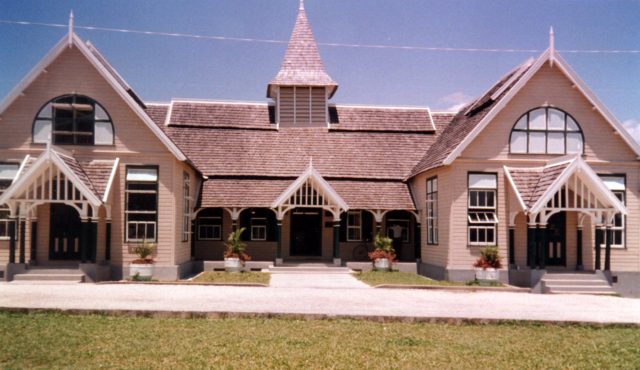
The architecture here tells a story of adaptation and resilience. The low-slung wooden buildings with their wide verandas and corrugated iron roofs are typical of Jamaican market towns, designed to withstand the heat, the rain, and the occasional hurricane. Some structures date back over a century, their weathered facades bearing the marks of time and the elements. Others are newer, rebuilt after storms or fires, but they follow the same practical design—open-air stalls, shaded walkways, and plenty of space for the constant ebb and flow of vendors and shoppers. There’s no grand colonial grandeur here, no ornate stonework or manicured gardens. Instead, the square feels organic, shaped by necessity and the hands of generations who have used it, repaired it, and kept it alive.
What makes the market square special is its role as a gathering place. On any given day, you’ll find women selling fresh produce from the hills—mangoes, breadfruit, yams, and callaloo—arranged in neat piles on wooden tables or spread out on sheets on the ground. The air is thick with the scent of ripe fruit, spices, and the occasional whiff of jerk seasoning from a nearby cookshop. Fishermen bring in their catch from the nearby coast, and the stalls overflow with snapper, kingfish, and lobster, their scales glinting under the sun. The market isn’t just a place to buy food; it’s where deals are struck, news is shared, and the latest gossip spreads faster than the morning breeze. Locals come not just to shop but to meet neighbors, catch up on town happenings, or simply pass the time under the shade of a tree.
The square has also been a stage for history. During the 18th and 19th centuries, Savanna-la-Mar was a major slave port, and the market would have been a site of both commerce and suffering. Enslaved Africans were bought and sold here, their lives reduced to transactions in a brutal economy. After emancipation in 1838, the market became a symbol of freedom and self-sufficiency for the newly liberated population, who turned it into a space for their own trade and enterprise. The square has witnessed protests, celebrations, and moments of quiet defiance, its stones holding memories that aren’t recorded in guidebooks but are passed down in stories and songs. Even today, you can sense that history in the way people move through the space—with a mix of pride, familiarity, and a deep connection to the land.
Beyond the market stalls, the square is surrounded by the life of the town. Small shops line the edges, selling everything from household goods to secondhand clothes, their owners calling out to passersby with a mix of humor and persistence. Barbershops and beauty salons do steady business, their doors open to the street, the sound of clippers and laughter spilling out. On weekends, the square takes on a livelier air, with music drifting from nearby rum bars and the occasional impromptu dance breaking out near the food stalls. Children weave through the crowds, dodging between legs and baskets, while older folks sit on benches, watching the world go by with the patience of those who have seen it all before.
The market square isn’t just a place for locals, though. Travelers who venture beyond the tourist trail often find themselves drawn here, not for any particular attraction, but for the chance to experience Jamaica as it is, not as it’s packaged for visitors. There’s no entrance fee, no guided tour, no scripted experience—just the raw, unfiltered energy of a town that has always been more about substance than spectacle. You might strike up a conversation with a vendor who’ll tell you the best way to cook ackee and saltfish, or find yourself invited to share a meal with a family who’s been selling here for decades. The square doesn’t perform for outsiders; it simply exists, and if you’re lucky, it lets you be a part of it for a little while.
What’s striking about Savanna-la-Mar’s market square is how little it has changed over the years. While other parts of Jamaica have been transformed by tourism or development, this place has remained stubbornly itself. The rhythms of the market are the same as they’ve always been—early mornings for the freshest produce, midday lulls when the heat drives people into the shade, and the slow winding down as the sun sets and the stalls begin to close. The square doesn’t need to be reinvented or polished for visitors; its authenticity is its greatest strength. It’s a reminder that some places don’t need to be extraordinary to be meaningful—they just need to be real.
If you do find yourself here, don’t expect a neatly curated experience. The market square is messy, loud, and sometimes overwhelming, but that’s precisely what makes it worth visiting. It’s a place where you can taste the sweetness of a just-picked mango, hear the cadence of Jamaican Patois in full flow, and feel the warmth of a community that has learned to thrive despite the challenges of history and geography. There are no grand speeches or dramatic vistas, just the quiet dignity of a town that has always known its own worth. And if you pay attention, you might just leave with a deeper understanding of what Jamaica is really about—not the beaches or the resorts, but the people and the places that keep the island’s soul alive.