Savanna-la-Mar sits on Jamaica’s western coast. The streets are lined with low wooden houses, sun-bleached and salt-streaked. The air carries the scent of frangipani. The Carmel Moravian Church doesn’t stand out—no grand facades, no spires. It’s a modest building, two hundred years old. Those who notice it often feel something unexpected: a connection to the past that isn’t about monuments.
The Moravians arrived in Jamaica in the 18th century. Missionaries from Europe built communities instead of enforcing doctrine. They opened schools and taught trades to enslaved people and freed communities alike. After emancipation, their work didn’t stop. The Carmel Church became a hub—faith mixed with daily struggles, learning, and small victories. It was more than a place of worship.
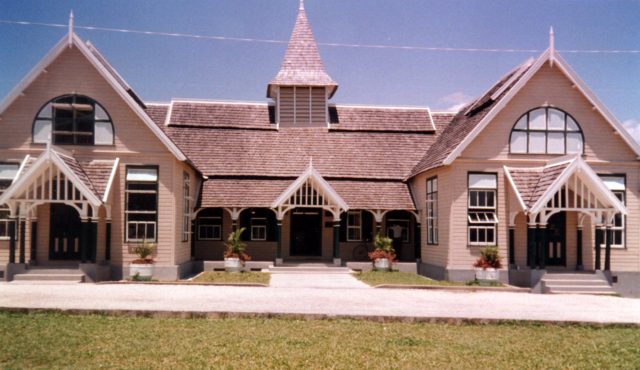
The building is simple. Whitewashed walls rest on local stone. High windows let in Caribbean light, shifting patterns across wooden floors. The bell tower is functional, blending into the town’s low skyline. Inside, plain pews face an uncluttered altar. No gilded icons, no stained glass. Just worn surfaces and the occasional creak of old floorboards. The simplicity feels deliberate.
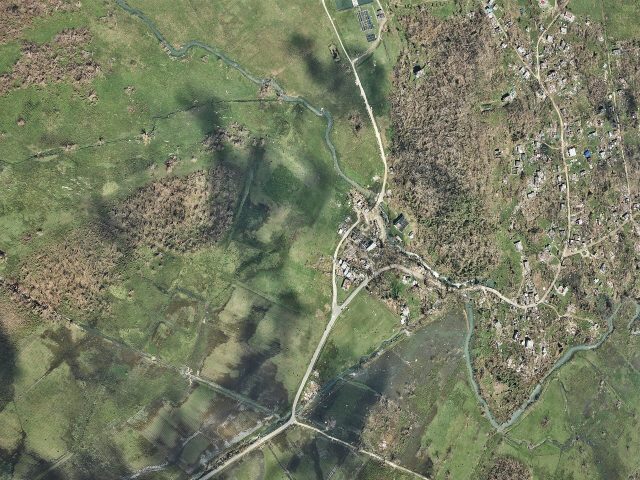
Hurricanes have tested the church for decades. Savanna-la-Mar lies in the path of storms. Roofs tear away, streets flood, trees uproot. Yet the Carmel Church has always stood. Locals tell of a 19th-century storm—winds howled, the sea surged inland, but the church lost only a few tiles. After each disaster, the community repaired it, reinforcing it with whatever they had. These acts became part of its story.
The Moravian community in Jamaica was never large, but its influence spread. The Carmel Church became a place for people of different backgrounds. Weddings and christenings still happen here, not just for Moravians. Services are in English, but sometimes old German hymns drift through the air—slow, solemn. They carry the weight of history, the hopes and hardships of those who came before.
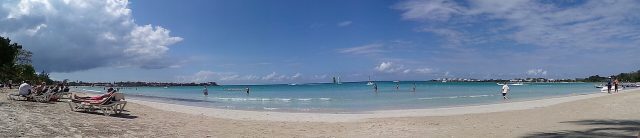
Savanna-la-Mar moves to the rhythm of the sea. Fishermen mend nets on the shore. Children run through dusty streets. Elders sit on porches, sharing stories over coffee. The Carmel Church fits into this rhythm. It doesn’t seek visitors, but those who wander in often linger. The stillness inside, the way light filters through the windows—it’s enough.
The church hosts small gatherings—a choir, an artist’s work, schoolchildren on a trip. These events don’t make headlines, but they matter. Children listen as a guide explains the Moravians’ lives, their teachings, their legacy. For some, it’s their first real introduction to the island’s history. The church doesn’t just preserve the past; it makes it feel alive.
What makes the Carmel Church special isn’t its age or design. It’s the way it holds the lives of those around it. Wooden beams darkened by time. Plaster walls with faint cracks. Old photographs in the entryway—silent stories of faces long gone. Every detail feels like part of a larger narrative, still unfolding. Listen closely. You might hear echoes—prayers, songs, conversations. Places like this don’t just stand as relics. They’re living threads in a community’s fabric.