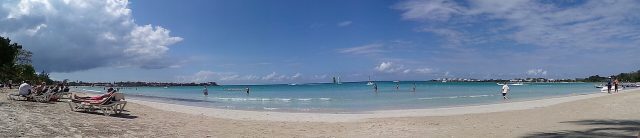
Savanna-la-Mar is one of those places where the Caribbean feels less like a postcard and more like a quiet, sunlit memory. The town itself is small, unhurried, and tucked away on Jamaica’s southwestern coast, where the sea meets the land with a gentle persistence. The beach here doesn’t announce itself with towering resorts or crowded promenades. Instead, it stretches out in a long, low curve of sand, backed by sea grapes and casuarina trees that sway in the trade winds. The water is warm, shallow near the shore, and a shifting palette of blues—turquoise where the sand is pale, deeper indigo where the reef begins to rise just offshore.
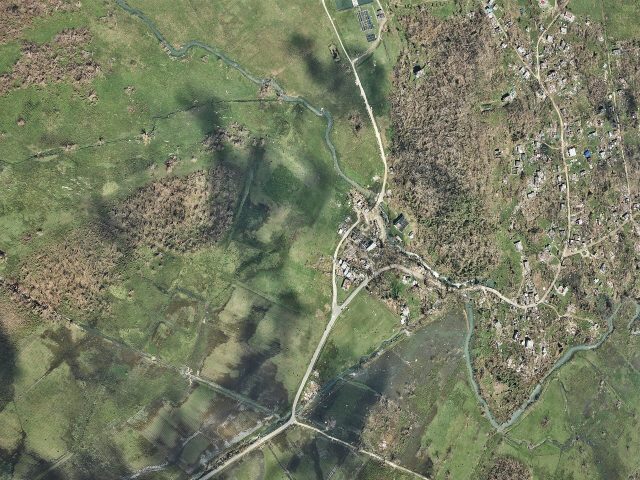
This part of Jamaica has always been different from the north coast, where tourism has reshaped towns into polished versions of themselves. Savanna-la-Mar, or "Sav" as locals call it, has a history that runs deeper than its beaches. Founded in the 18th century, it was once a bustling port, a place where sugar, rum, and logwood were shipped out to Europe and the Americas. The town’s name—Spanish for "plain by the sea"—hints at its origins as a flat, marshy stretch of land that early settlers saw as both a challenge and an opportunity. Hurricanes have swept through here more than once, flattening buildings and reshaping the coastline, but the town has always rebuilt, quieter and more resilient each time.
The beach today carries traces of that history, though you have to look closely. The old fort, now little more than a few weathered stones near the water’s edge, was once a lookout against pirates and rival colonial powers. Nearby, the remains of a sugar wharf jut into the sea, their wooden pilings softened by time and salt. These fragments don’t draw crowds, but they give the place a sense of continuity—proof that Savanna-la-Mar has always been more than just a stop on a tourist map. Fishermen still launch their boats from the same stretches of sand where traders once loaded cargo, and the rhythm of life here moves with the tides rather than the clock.
What makes the beach special isn’t just its beauty, but the way it feels lived-in. There are no beach chairs for rent, no vendors hawking souvenirs, no reggae bands playing for tips. Instead, you’ll find families setting up picnics under the trees, children wading in the shallows, and the occasional fisherman mending his nets in the shade. The sand is soft but not pristine—it’s the kind of place where a stray coconut might roll past your towel, or a dog might trot by with a stick in its mouth. The lack of development isn’t an oversight; it’s a choice. This is a beach for those who prefer the quiet hum of everyday life over the polished veneer of a resort.
The water here is deceptively calm, but the reef just beyond the breakers tells a different story. It’s part of the larger South Coast Marine Park, a protected area where coral gardens thrive in the warm, clear currents. Snorkelers who venture out will find parrotfish darting between brain coral, sea fans swaying in the current, and the occasional turtle gliding past. The reef isn’t as famous as those on the north coast, but that’s part of its charm. There’s no need to rush—just float above the coral and let the silence of the underwater world settle in.
Evenings at Savanna-la-Mar beach are when the place feels most like itself. As the sun dips toward the horizon, the light turns gold and pink, casting long shadows across the sand. The air smells of salt and woodsmoke from the nearby fish shacks, where the day’s catch is grilled over open flames. If you’re lucky, someone might be playing a guitar or an old reggae tune will drift over from a passing car. There’s no grand sunset ceremony here, no fire dancers or beach parties. Just the sound of waves lapping at the shore and the occasional laugh from a group of friends gathered around a cooler of Red Stripe.
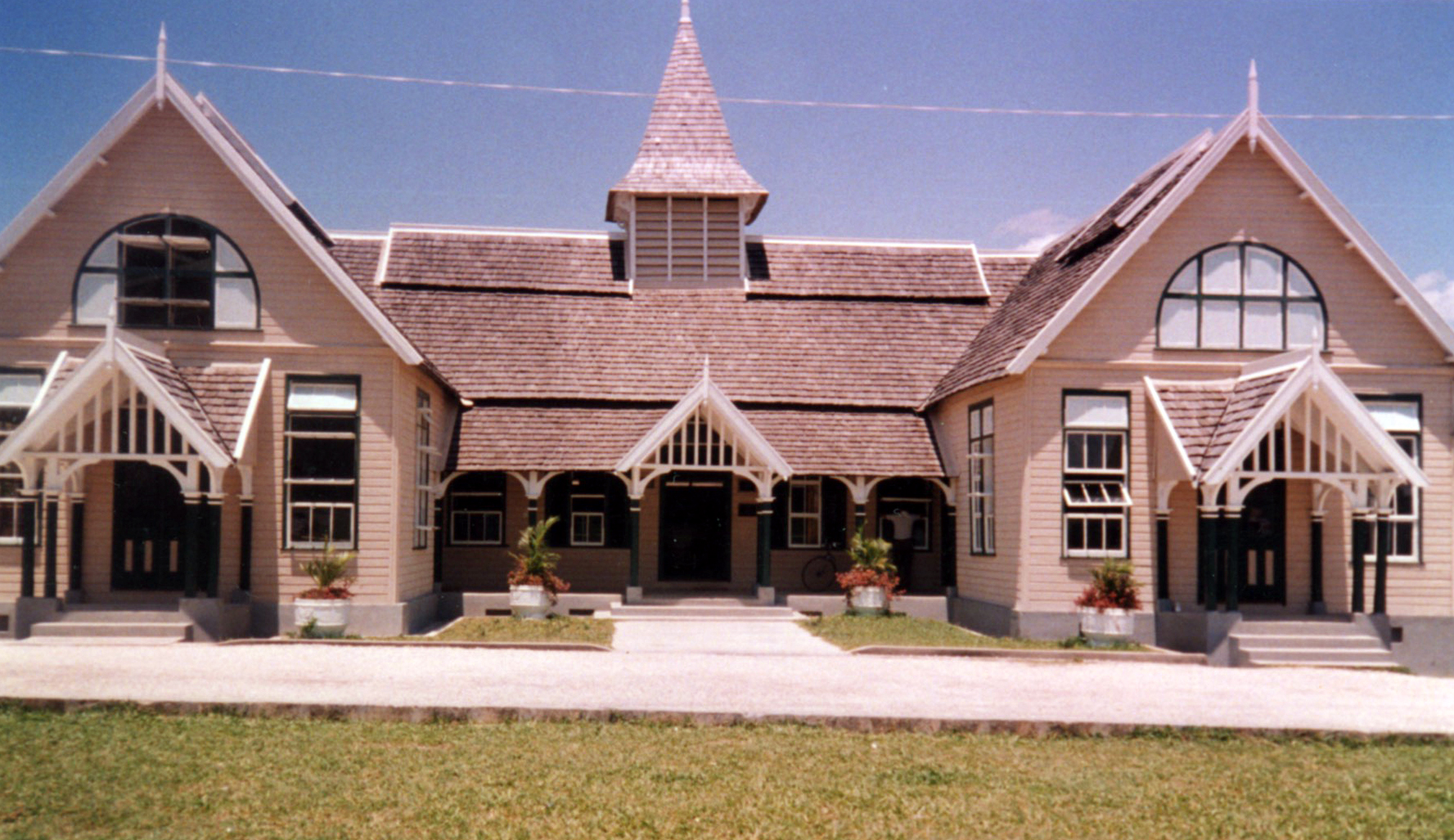
The town itself is worth a slow wander, especially if you’re curious about the Jamaica that exists beyond the all-inclusive resorts. The streets are lined with pastel-colored houses, their wooden shutters thrown open to catch the breeze. The market, held a few times a week, is where you’ll find mangoes so ripe they drip juice, bundles of callaloo, and fresh coconut water sold straight from the shell. The people here are friendly but not performatively so—there’s no pressure to buy, no scripted welcome. A nod or a smile is enough to start a conversation, and if you’re patient, you might hear stories about the old days, when Sav was a hub for banana boats and the docks were alive with activity.
Hurricanes have left their mark on Savanna-la-Mar, but they’ve also shaped its character. The most recent storms have thinned out the palm trees and left some buildings boarded up, but the beach itself remains, as if the sea and sand have an understanding. After a storm, the town doesn’t rebuild with bigger hotels or flashier attractions. It simply carries on, a little more worn, a little more itself. That resilience is part of what makes this place feel authentic. It’s not trying to be anything other than what it is—a quiet stretch of coast where the Caribbean does what it’s always done: lap at the shore, warm the sand, and remind you that some places are best enjoyed slowly.
If you come here, don’t expect a checklist of attractions or a neatly packaged experience. Savanna-la-Mar is for those who are content to let the day unfold at its own pace. Swim when you feel like it, nap under a tree, watch the fishermen haul in their nets. The beach doesn’t demand anything of you except that you pay attention—to the light on the water, the way the wind moves through the trees, the quiet conversations happening around you. In a world where so many places feel designed for Instagram, this one feels refreshingly real. It’s not the kind of beach you visit once and tick off a list. It’s the kind you remember long after you’ve left, not for what you did there, but for how it made you feel.