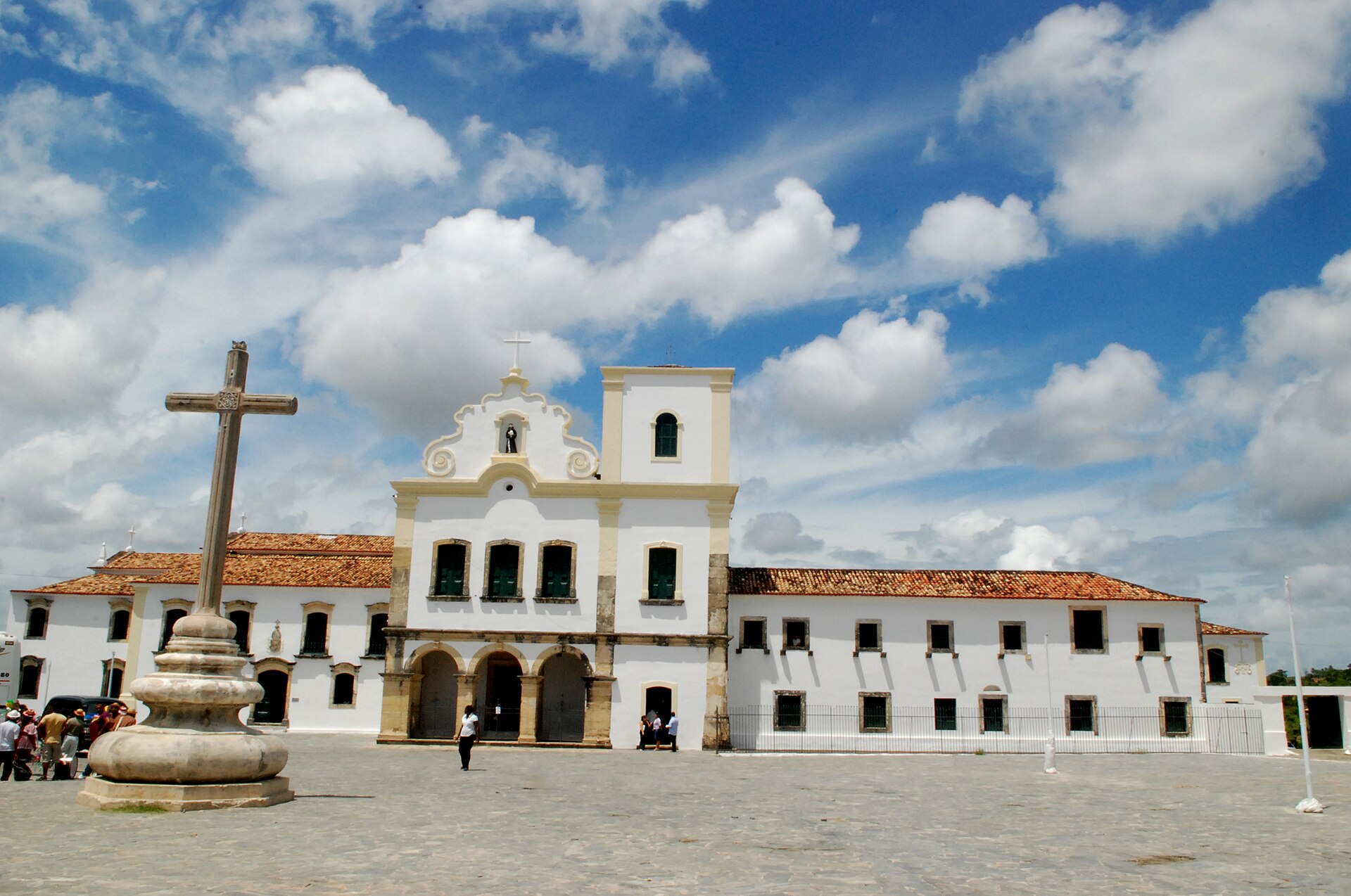
Nossa Senhora do Socorro is one of those quiet Brazilian towns where history lingers in the air, not as something preserved behind glass, but as a living presence in everyday life. Tucked away in Sergipe state, far from the well-trodden paths of Rio or Salvador, it carries the unassuming weight of the country’s colonial past. At its heart lies Praça São Francisco, a square that has watched over the town for generations, bearing the name of Saint Francis of Assisi. It’s not just a central landmark—it’s where the rhythm of local life has unfolded for centuries, unhurried and unchanged.
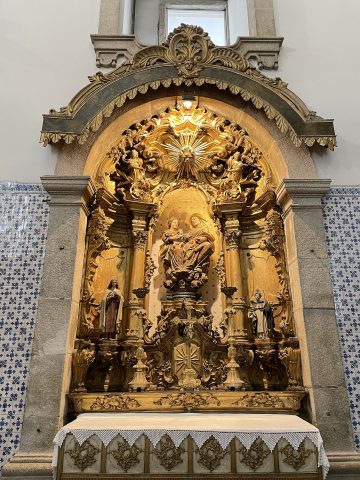
The architecture here is modest but telling, a snapshot of the simple elegance that defined Brazilian towns in the 18th and 19th centuries. Low-slung houses with terracotta roofs, their walls painted in faded pastels, encircle the square, their weathered facades softened by time. In the center stands the Igreja de São Francisco, a church that doesn’t demand attention but earns it through quiet dignity. Its whitewashed walls and unadorned lines are classic colonial—functional, not flashy, built to serve rather than impress. Inside, the air is likely still thick with the scent of old wood and candle wax, though few outsiders bother to step through its doors.
This was never a place of grand commerce or political power, and the square has never known the restless energy of a big city. Instead, it breathes with the slow, steady pulse of provincial life. Elderly men while away the afternoons on benches, children dart between the shade of the trees, and on weekends, the square hums with the chatter of a small market. There’s no need for spectacle here—just the quiet continuity of a place that has existed, more or less the same, for generations. It’s not a relic; it’s a living room for the town, where every cobblestone has been worn smooth by the footsteps of those who came before.
Nossa Senhora do Socorro has a past that’s easy to overlook. Founded as a refuge for escaped slaves and Indigenous people fleeing colonial oppression, it was never meant to be a center of power. Over time, it settled into the role of an ordinary backwater town, but traces of its origins still linger. The square may have once been a gathering place for secret meetings, religious festivals, or the first tentative steps toward community. Today, that history is mostly invisible—hinted at in the names of streets or the occasional mention in dusty archives—but it’s there, woven into the fabric of the place.
Wander beyond the square, and you’ll find other echoes of the past: crumbling plantation houses, old wells, and the skeletal remains of sugar mills that once drove the local economy. But Praça São Francisco remains the town’s anchor, the spot where all these fragments of history converge. There are no grand monuments here, no dramatic events etched into guidebooks. What you’ll find instead is something rarer—a sense of authenticity, the kind that disappears when a place becomes too polished for tourists.
In recent years, Nossa Senhora do Socorro has begun to change, slowly. New cafes have opened, old buildings have been restored, and some of the younger generation, tired of the grind of big cities, have returned to try their luck here. But the square endures, untouched by the creeping pace of modernity. It’s still a little sleepy, a little forgotten, but that’s part of its charm. It doesn’t try to be anything other than what it is—a place where time moves differently, where the past isn’t just remembered but lived.
For travelers who make it to Sergipe, Praça São Francisco offers a glimpse of Brazil that’s harder to find these days. There are no crowds, no souvenir stalls, no guides competing for attention. Just the quiet rustle of leaves, the murmur of conversation, and the unhurried pace of a town that has no reason to hurry. Sit on a bench for a while, watch the locals go about their day, and you’ll understand why places like this still matter. They’re not just relics of history—they’re where the soul of a country still feels alive.