Perched on a gentle hill in the quiet Brazilian municipality of Nossa Senhora do Socorro, the church of the same name feels like a place where time has settled into stillness. The town’s name, which translates to Our Lady of Mercy, reflects the deep devotion that has shaped its identity, and the church stands as both its spiritual anchor and a silent witness to centuries of local life. From its elevated position, the building overlooks the surrounding landscape, offering a view that has remained largely unchanged since the earliest days of settlement. It’s a perspective that connects the present to the past, reminding visitors of the humble beginnings of a place that has since grown into a small but vibrant community.
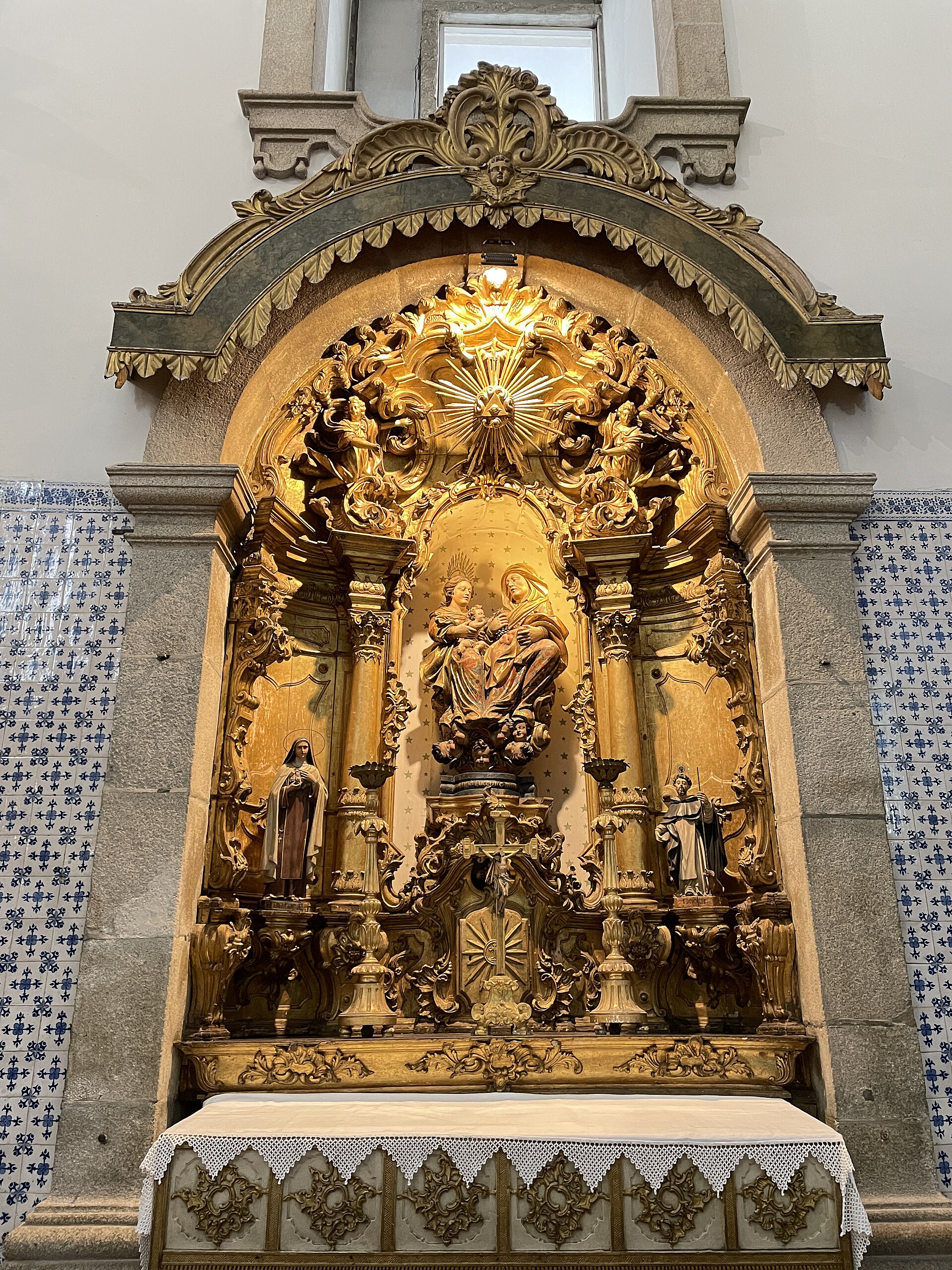
The origins of Nossa Senhora do Socorro trace back to the 17th century, when Portuguese colonists established a modest chapel on this very spot. Over the years, as the settlement expanded, so did the church, evolving through multiple renovations that layered history onto its walls. What stands today is a structure that has absorbed the changes of time while retaining traces of its colonial roots. The building’s current form is the result of gradual adaptations rather than a single grand design, and that sense of organic growth is part of its charm. Inside, the high ceilings and simple wooden pews create an atmosphere of quiet reverence, while the altar, adorned with images of the Virgin Mary, serves as the focal point of devotion.
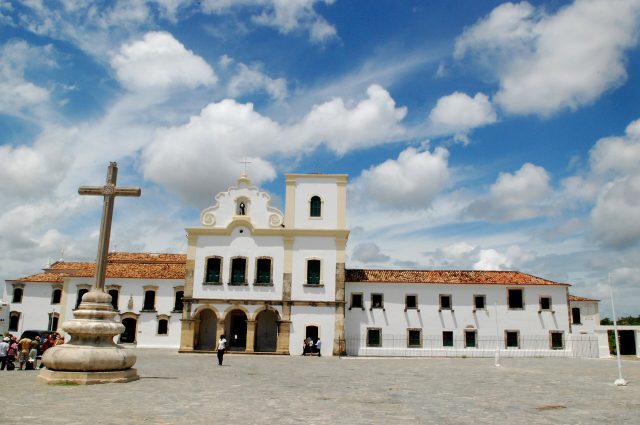
Architecturally, the church is a fine example of the restrained colonial style that characterized many early Portuguese churches in Brazil. Its facade is unadorned, with clean lines and a lack of elaborate ornamentation that sets it apart from the more flamboyant baroque churches found elsewhere in the country. The whitewashed walls and modest portal give the building a sense of humility, a quality that resonates with the town’s own understated character. Yet this simplicity is deceptive—inside, the space feels expansive, filled with natural light that softens the austere lines and creates an inviting sense of openness.
For generations, Nossa Senhora do Socorro has been more than just a place of worship. It has served as the heart of the community, a gathering point where people came not only to pray but to celebrate, mourn, and seek solace. Festivals, weddings, and local gatherings have all taken place within its walls, and even today, the church remains a symbol of continuity in a town that has seen considerable change. On Sundays and religious holidays, the doors are open to all, and the sound of hymns and quiet conversation fills the air, much as it has for centuries. The church’s role in daily life may have shifted over time, but its significance has not diminished.
The hill on which the church stands was once a strategic vantage point, offering views of the surrounding countryside that were crucial for defense. Today, the same elevation provides a peaceful panorama of Nossa Senhora do Socorro—a town where narrow streets wind between tiled-roof houses, and the pace of life moves at a slower rhythm. The landscape feels almost timeless, a rare pocket of tranquility in a region that has otherwise embraced urbanization. Locals speak of their town with pride, and the church is always at the center of these stories, a tangible link to the past that grounds the community in its history.
In recent decades, Nossa Senhora do Socorro has become part of the greater Aracaju metropolitan area, gradually transforming into a residential suburb of the state capital. Yet despite this shift, the church has retained its place as the town’s emotional and cultural core. It stands as a reminder that even as cities expand and modernize, there are places that refuse to be swallowed by change. This resilience is part of what draws visitors—not just pilgrims seeking spiritual connection, but those who are curious about the quieter, less trodden paths of Brazilian history.
A visit to Nossa Senhora do Socorro is less about ticking off a tourist attraction and more about stepping into a different rhythm of life. There are no crowds here, no hurried itineraries, just the quiet hum of a town that has chosen to preserve its character. The church itself invites contemplation, its unassuming presence a counterpoint to the noise of the modern world. To sit on one of the benches outside, listening to the sounds of the neighborhood and watching the light shift across the whitewashed walls, is to experience a sense of timelessness that feels increasingly rare.
What makes Nossa Senhora do Socorro special is not just its age or its architecture, but the way it embodies the living history of the place. The stories of the town are woven into its stones, from the early settlers who built the first chapel to the generations of families who have filled its pews. The church is not a relic to be observed from a distance; it is a place that continues to shape the lives of those who call this town home. In that sense, it remains what it has always been—a sanctuary, a gathering place, and a quiet guardian of memory.