Nossa Senhora do Socorro may not be the first name that comes to mind when thinking of Brazil’s historic towns, but this quiet city holds layers of history that often go unnoticed. Tucked away from the well-trodden paths of Salvador and other colonial hubs, it was once a small but vital settlement on the edge of Portuguese expansion. The city’s museum, housed in a modest building with its own past, offers a glimpse into how this place grew from a remote outpost into the community it is today.
The museum’s collection, though small, paints a vivid picture of life in the region over the centuries. Tools used by early settlers, household items from colonial times, and agricultural implements reveal the daily rhythms of a town that depended on farming and trade. Documents and maps trace the shifting boundaries of Nossa Senhora do Socorro, showing how it served as a link between the coast and the interior. The exhibits don’t just tell the story of the city—they show how it was shaped by the forces of colonization, trade, and local resilience.
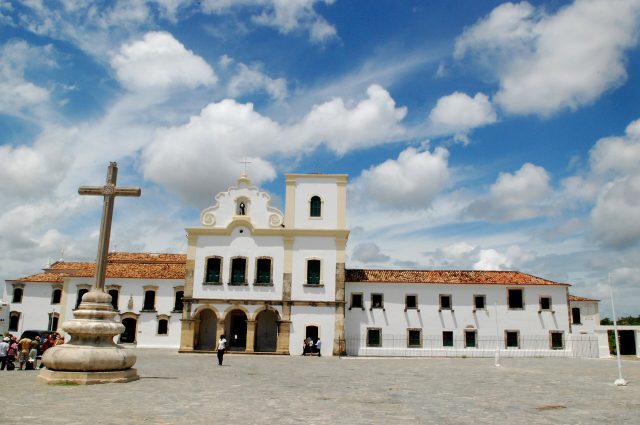
The building itself is a piece of history. Its thick walls and high ceilings are classic features of colonial architecture, designed to keep interiors cool in Brazil’s tropical heat. Some of the original wooden beams and stone floors remain, along with heavy doors and shutters that hint at the craftsmanship of the time. The structure has been modified over the years, but it still carries the weight of its past, offering a tangible connection to the people who once walked its halls.
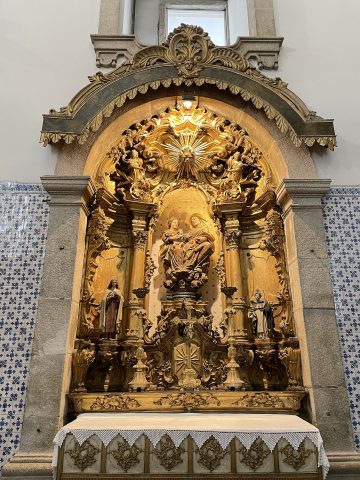
Beyond the colonial era, the museum also explores the cultural traditions that have endured in Nossa Senhora do Socorro. Traditional clothing, musical instruments, and religious artifacts show how local customs have been preserved through festivals and rituals. Photographs and personal accounts bring these celebrations to life, revealing how they remain a cornerstone of the city’s identity. For visitors, it’s a chance to see how history isn’t just about dates and events—it’s about the people who keep it alive.
A small section of the museum is dedicated to the region’s pre-colonial history. Fragments of pottery and stone tools, unearthed in the area, suggest that indigenous communities thrived here long before European arrival. While the collection is limited, it serves as a reminder that the land has always been home to people with their own stories, long before it became part of Brazil’s colonial narrative.
Visiting the museum is as much about the experience as it is about the exhibits. The city itself is a quiet place, where narrow streets and old churches still bear the marks of colonial design. Walking through the center feels like stepping back in time, with its cobblestone paths and tiled roofs. The museum acts as a starting point for exploring this atmosphere, offering context to the buildings and streets that have witnessed centuries of change.
What makes this museum special is its lack of pretension. There are no crowds, no grand displays—just a straightforward look at a place that has quietly endured. The staff are welcoming, often sharing insights that go beyond the exhibits. For those who want to understand Brazil beyond its major cities, Nossa Senhora do Socorro offers a different perspective, one where history isn’t just preserved in books but in the fabric of everyday life.
This is a town that doesn’t demand attention, but it rewards those who take the time to look closer. The museum doesn’t try to be anything more than what it is—a small, honest record of a place that has seen empires rise and fall while remaining firmly rooted in its own identity. It’s a reminder that history isn’t always grand; sometimes, it’s found in the quiet corners of a city that has learned to carry its past with quiet pride.