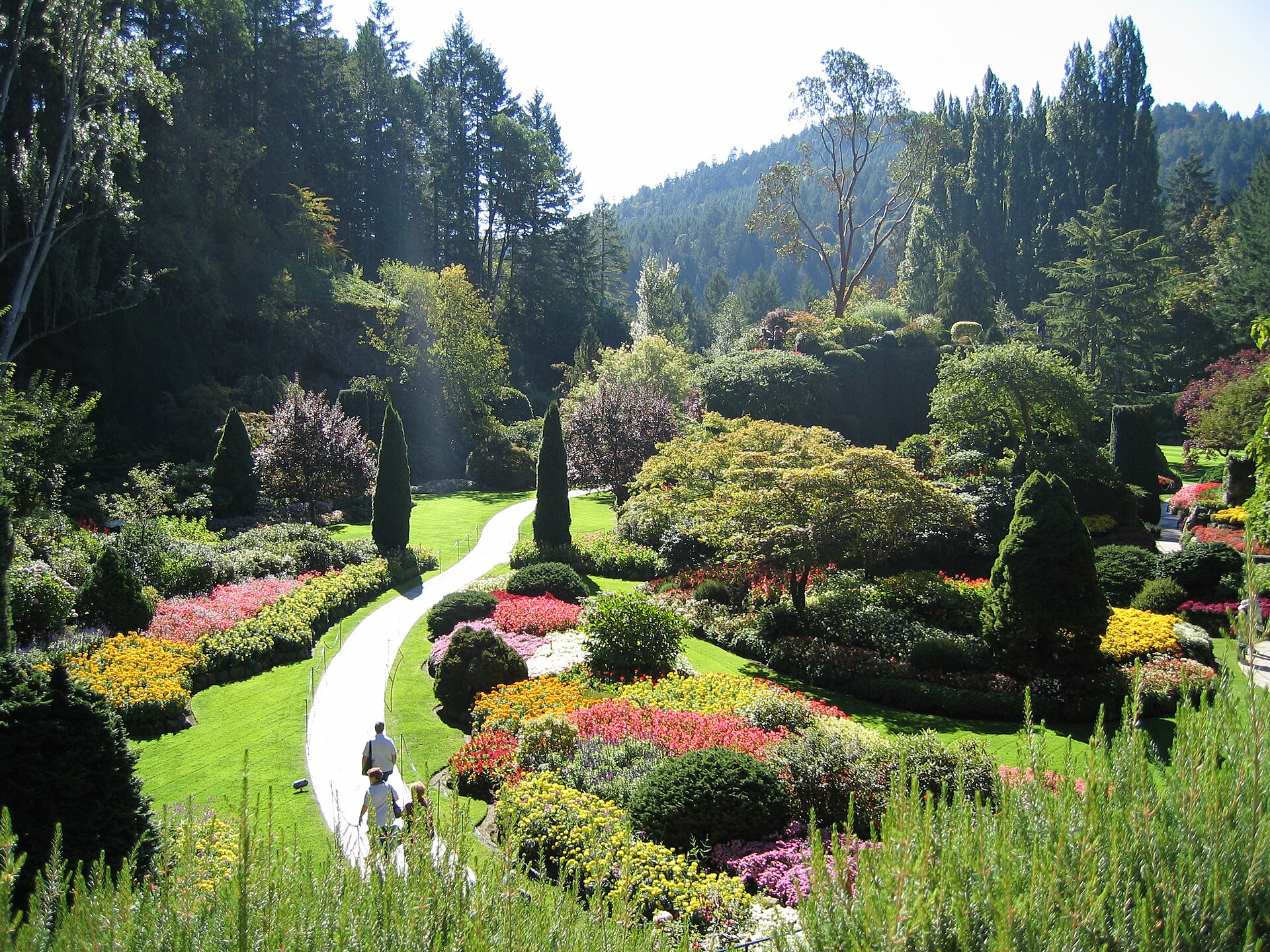
Victoria, the quiet heart of Gozo, rarely makes it onto Malta’s must-see lists. There are no crowded promenades here, just narrow streets where time moves slowly and corners feel untouched by travel itineraries. The Buttigieg Gardens sit on a low hill on the edge of town. They’re not famous—just a place where locals and visitors escape the heat and noise.
The gardens were created in the early 1900s by the Buttigieg family, who owned the land. At the time, Gozo was an agricultural island, far from Malta’s busier rhythms. Over the decades, the garden grew into something more than its modest beginnings. There are no grand flowerbeds, just well-tended paths, shaded nooks, and a layout that invites long walks.
The design is simple. Small stone arches, bridges over dry streambeds, and benches carved from local limestone blend into the landscape. The warm golden hue of the stone catches the light in the late afternoon. There are no fountains or statues, just a few open-sided pavilions where you can sit and watch sunlight through the leaves.
The plants here are mostly native—palm trees, olive groves, prickly pears, and agave. Bougainvillea spills over walls, and geraniums fill terracotta pots. Occasionally, you’ll spot something less common, a remnant of the family’s experiments, but nothing feels out of place. The gardens are at their best in spring, when wildflowers dot the paths, and in autumn, when olive trees turn silvery.
The Buttigieg Gardens are part of Gozo’s history. In the early 20th century, the island was poorer and more isolated. The gardens became a gathering place for quiet moments—afternoons in conversation, children playing under the trees, or sitting in silence. That tradition remains. Today, you might see elderly men playing cards in the shade, young families with picnic blankets, or teenagers with books.
From the highest point, the view stretches across Victoria. The city unfolds below—narrow streets, flat-roofed houses, and the dome of St. George’s Basilica. On clear days, the horizon blurs into distant hills and the faint outline of the coast. The gardens sit at that threshold, offering a glimpse of both.
The gardens are open at all hours, with no entry fee. The best times to come are early morning or late afternoon. There are no cafés, so bring water if you want to stay. Locals often arrive with thermoses of tea, and children run across the lawns while adults relax on benches.
What makes the Buttigieg Gardens special isn’t any single feature. They exist without trying to impress—just a quiet corner that has grown more beautiful with time. For those who find their way here, it’s a reminder that the best places don’t always demand attention. Sometimes, they simply wait for someone to notice.