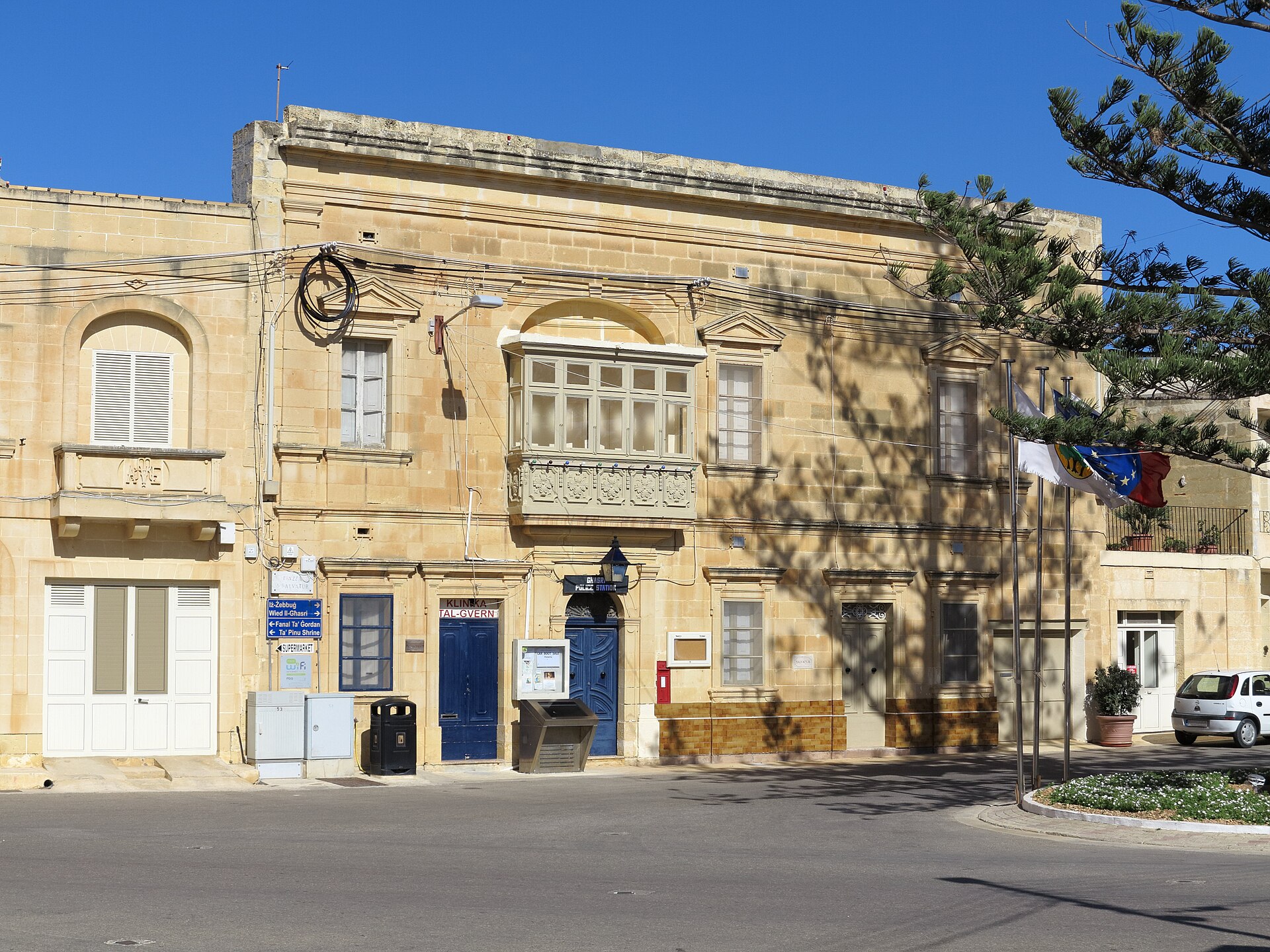
Corpus Christi Church in Victoria doesn’t demand attention but stays with you after you leave. It sits on a narrow street in the old town, surrounded by low limestone houses where every stone feels heavy with age. Unlike Malta’s grander cathedrals, few tourists visit—just locals stepping inside for prayer or shade beneath its vaulted ceilings.
The church was built in 1625, when the Knights Hospitaller ruled Malta. Back then, new churches appeared across the island, funded by the order’s wealth. Corpus Christi was commissioned by a brotherhood devoted to the Holy Sacrament. These groups organized festivals, helped the poor, and kept churches running. For Victoria’s residents, the church was more than a place of worship—it was where faith and daily life met.
The architecture is Maltese Baroque, with a few local details. The façade is simple: sturdy pilasters, a curved pediment, and a small round window above the door. Inside, the space feels larger than it is, bright despite its size. The main nave has a barrel vault, and the altar glows with gilded stucco and paintings. The most striking piece shows the Last Supper. Above it, a carved wooden baldachin—uncommon in Malta—stands out, made by local craftsmen.
The interior is sparse but deliberate. Frescoes depict scenes from Christ’s life. Side chapels hold statues of saints important to this parish. The stone floor is worn smooth by centuries of footsteps. In one corner, an old confessional remains in use. Visitors might find someone there, seeking quiet or advice.
Victoria, called Rabat by locals, is steeped in history. The church blends into its streets, where time moves slowly. Walk around, and you’ll pass bakeries with fresh bread or hidden courtyards behind heavy doors. The citadel isn’t far, with views of Gozo, but the old town’s atmosphere seeps in without effort.
Corpus Christi isn’t a major attraction. That’s why it works. It doesn’t try to impress—it just fits into daily life. Tour groups skip it, keeping its quiet, lived-in feel. On Sundays, the organ plays and voices fill the space. On weekdays, the only sounds are the creak of doors or a priest preparing for Mass.
If you come to Gozo for more than beaches and ruins, this church shows the island’s real side. There’s no rush. No need to take photos. Sit on a pew. Listen. Think about the generations who’ve prayed here, the lives that passed through these walls.
Gozo moves at its own pace. Corpus Christi hasn’t changed in centuries. The limestone façade still glows warm. The altar’s gold leaf shines. The air smells of incense and wax. Maybe that’s why locals love it—it reminds them some things last.