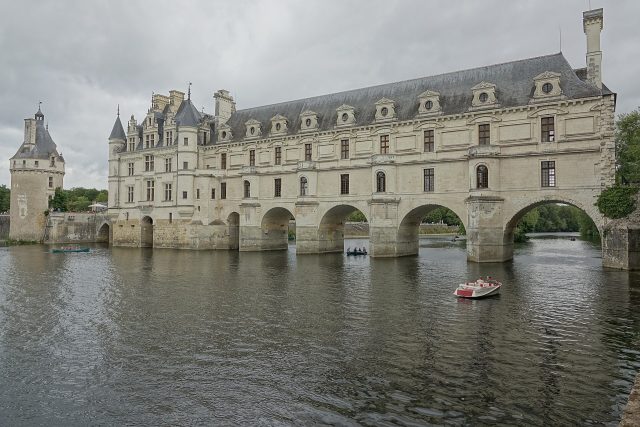
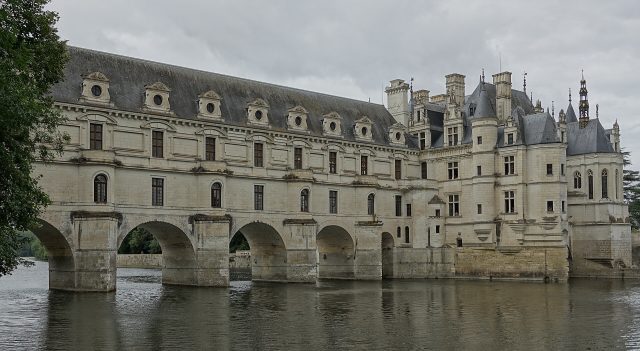
Chenonceau is a place where history and nature intertwine so seamlessly that time itself seems to move differently here. Among its many charms, the gardens of Catherine de’ Medici stand out as a rare example of how architecture and landscape can merge into something greater than the sum of their parts. Designed in the mid-16th century, these gardens reflect not just the aesthetic ideals of the Renaissance but also the personality of the queen who once called this place home. They stretch along the banks of the River Cher, their layout a quiet testament to a woman who valued both power and privacy.
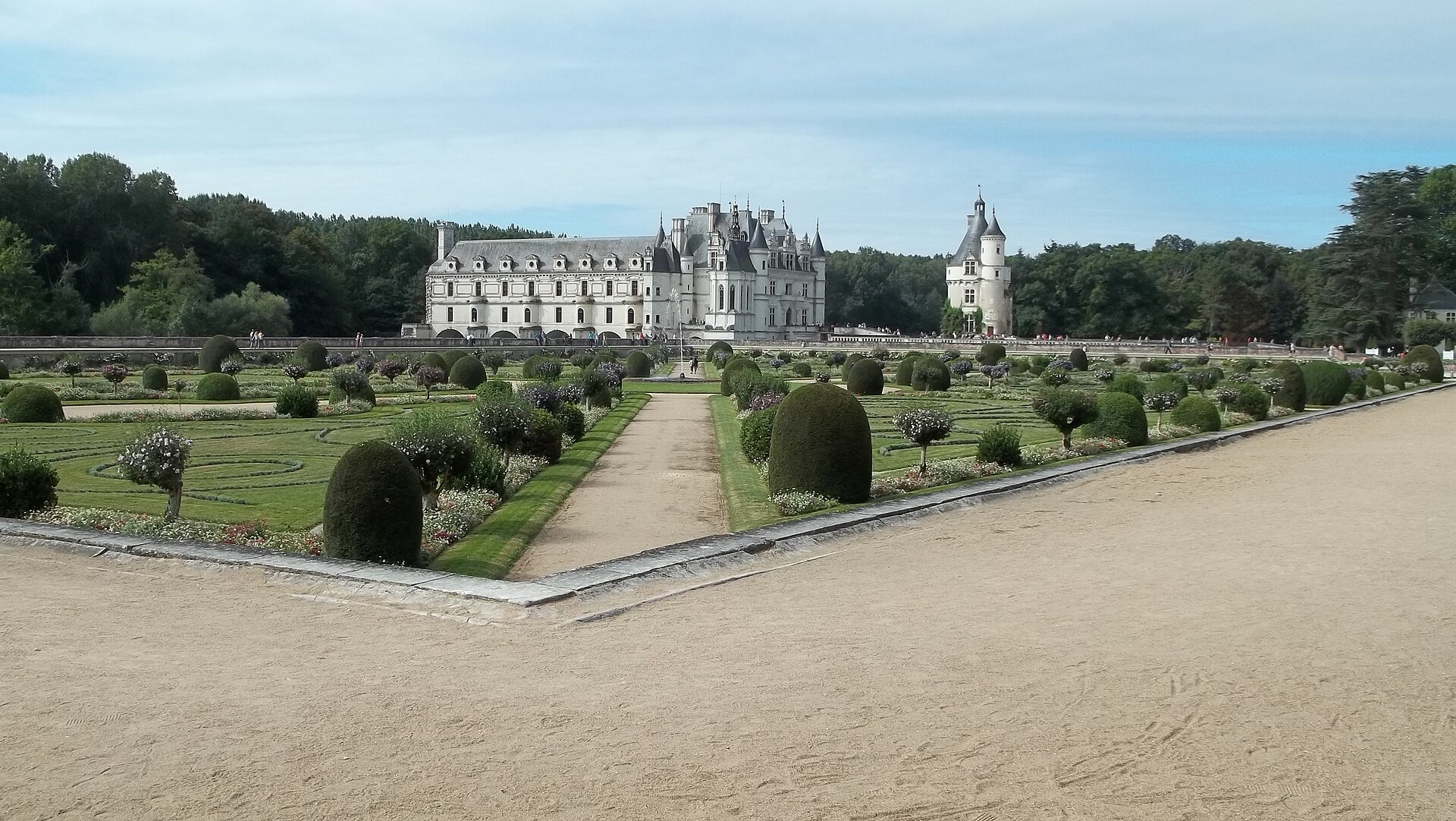
When Catherine de’ Medici took control of Chenonceau, she transformed it into a retreat that suited her tastes—less about grand spectacle and more about intimate elegance. Unlike the rigid symmetry of other royal gardens of the era, hers was designed with a softer touch. Rectangular flowerbeds, bordered by low hedges, draw the eye toward a central fountain where courtiers once gathered. The design feels deliberate yet unforced, as if the garden grew naturally around the needs of those who walked its paths. There’s a sense of balance here, not just in the arrangement of plants and stone, but in the way the space invites contemplation rather than awe.
The garden’s most striking feature is its terraced structure, descending toward the river in gentle steps. This not only gives the space depth but also creates a shifting play of light throughout the day. In the morning, sunlight spills across the upper walkways, while by evening, it lingers on the lower levels, casting long shadows and reflecting off the water. The plants—roses, lavender, and other staples of French Renaissance gardens—are arranged with care, yet they don’t feel overly manicured. Instead, they appear as if they’ve been left to grow at their own pace, untouched by time.
Catherine de’ Medici was more than just a political figure; she was also a passionate collector of rare plants. It’s said that she introduced several Mediterranean species to France, some of which took root and became part of the country’s botanical heritage. Even today, the garden still holds old varieties of roses that once graced the royal court. Their scent is strongest in June, when the blooms are at their peak, filling the air with a rich, sweet fragrance that lingers long after you’ve left the garden.
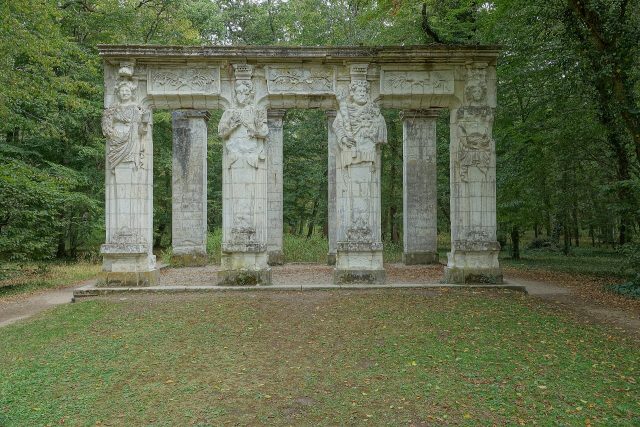
Yet the garden is more than just a collection of plants. Scattered throughout are architectural details that hint at its former grandeur. A small grotto, lined with stones and decorated with shells, is a classic Renaissance feature, evoking the classical world. Nearby, the remains of statues stand on moss-covered pedestals, their forms worn away by centuries. These remnants add a layer of quiet beauty to the garden, as if nature itself is slowly reclaiming what was once human artifice.
Chenonceau is often called the "ladies’ castle," and the gardens of Catherine de’ Medici embody that spirit perfectly. There’s none of the overwhelming scale of Versailles or the formal stiffness of Fontainebleau. Instead, the garden feels personal, almost secretive. Shady corners under ancient trees offer respite from the sun, while winding paths lead down to the river, where the water moves silently past. The garden changes with the seasons—golden in autumn, frosted in winter, bursting with life in spring—but its essence remains the same: a place where time seems to stand still.
Walking through these gardens is like stepping into the past. You can almost picture Catherine de’ Medici strolling along these same paths, discussing matters of state or simply enjoying a moment of quiet. Or imagine the lavish parties that once took place here, with music and dancing lasting until dawn. The garden holds the memory of those moments, and in some small way, every visitor becomes part of that history. It’s not just a place to observe; it’s a place to feel.
Today, the gardens are open to the public, though they’ve changed over the centuries. Yet their soul remains intact. Unlike the crowded halls of other Loire châteaux, Chenonceau offers a sense of solitude. There’s no rush here—just the quiet rustle of leaves, the murmur of the river, and the occasional splash of a fish breaking the surface. It’s the kind of place where you might find yourself lingering on a bench, watching the light dance on the water, or wandering the paths without a particular destination in mind. In a world that moves too quickly, the gardens of Catherine de’ Medici remind you to slow down and breathe.