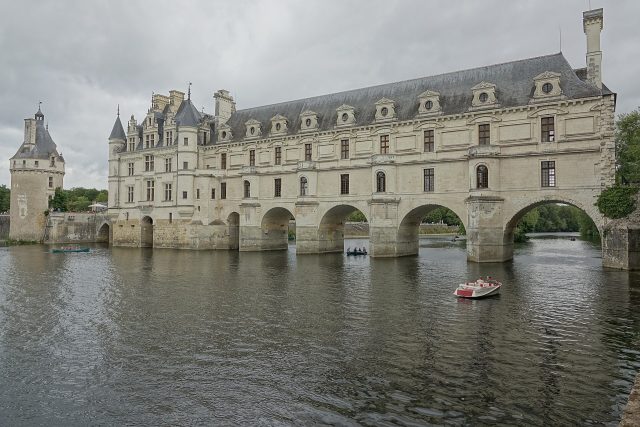
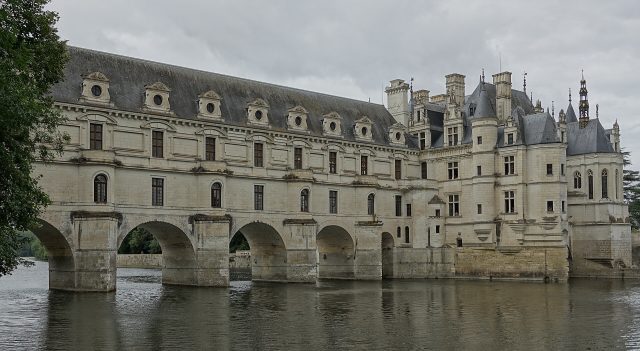
Chenonceau is a place where history and nature intertwine so seamlessly that time itself seems to move differently here. Among its many quiet marvels, the Garden of Diane de Poitiers stands as a testament to the delicate balance between human design and the natural world. Perched along the banks of the River Cher, this garden was once the private retreat of one of the Renaissance’s most influential women, whose presence still lingers in the symmetry of its pathways and the murmur of its fountains.
Diane de Poitiers, the favored companion of King Henry II, received Chenonceau as a gift in the mid-16th century. For her, it was more than an estate—it was a canvas where she could shape her vision of beauty. The garden she commissioned reflects the ideals of the Renaissance: precise geometry, mirrored pathways, and the playful movement of water in canals and fountains. Yet there is a lightness to it all, as if Diane herself had ensured that no line felt too rigid, no structure too imposing. The result is a space where order and grace coexist without effort.
The garden is divided into distinct sections, each with its own character. The central avenue, stretching from the château toward the river, is lined with meticulously trimmed trees and flowerbeds that burst into color with the seasons—roses in early summer, peonies in late spring, lavender in high summer. Flanking this path are the *bosquets*, secluded green chambers where dense foliage once provided privacy for whispered conversations or solitary reflection. One of these hidden corners holds a small fountain, its water trickling softly, as if inviting visitors to pause and listen to the silence.
A particularly intimate space is the Green Garden, or Garden of Ceres, where the formality of the main layout gives way to something more organic. Here, flowerbeds mingle with fruit trees and vineyards, evoking the simplicity of a rural idyll. At its heart stands a statue of the goddess of fertility, surrounded by herbs and flowers that were once used in cooking and medicine. This part of the garden is especially enchanting in spring, when blossoms fill the air with fragrance, and in autumn, when the leaves turn to gold and amber.
The River Cher, flowing along the garden’s edge, adds a layer of magic to the scene. It is not merely a backdrop but an active participant, reflecting the sky, the trees, and the château’s stone walls in its gentle currents. A terrace runs along the bank, offering views across the water to the opposite shore, where old mills and outbuildings once stood. Now, it is a quiet spot to sit and watch the river carry away the weight of the world.
The Garden of Diane de Poitiers is more than a masterpiece of landscape design—it is a living record of history. After Henry II’s death, his widow, Catherine de’ Medici, reclaimed Chenonceau from Diane and transformed it into a stage for lavish entertainments and political intrigue. The garden, however, retained its significance, though Catherine added her own touches: kitchen gardens, orangeries, and even a small menagerie. Little remains of those additions today, but the spirit of the Renaissance endures in the careful arrangement of hedges and the timeless elegance of the design.
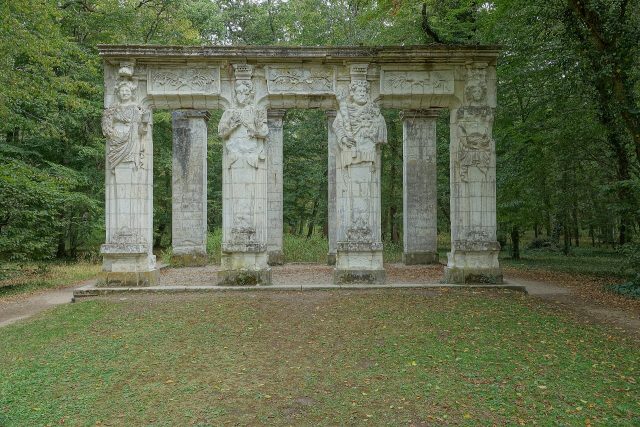
Visitors today will find the garden much changed from Diane’s time, yet its essence remains intact. Unlike the crowded tourist hubs of more famous landmarks, Chenonceau exudes a rare tranquility. There is no rush here, no pressure to move on to the next sight. Instead, one can wander the paths for hours, studying the weathered statues, listening to the rustle of leaves, and pondering the lives that have passed through these grounds. The garden does not demand admiration; it simply exists, a quiet reminder that beauty often lies in the harmony of simple things.
The experience of the garden shifts with the seasons. In spring, it awakens in a riot of color, the air thick with the scent of blooming flowers. Summer brings the cool shade of trees and the refreshing sound of water in the fountains. Autumn cloaks the garden in gold and crimson, and even rain adds a touch of melancholy to the scene. Winter, though stark, reveals the underlying structure of the design—the clean lines and shapes that are usually softened by greenery.
Chenonceau and its gardens leave no one indifferent. They do not clamor for attention or strive to impress. They simply are, a fragment of history that still whispers in the rustle of leaves and the ripple of water. The Garden of Diane de Poitiers is not just a landmark; it is a living thing, changing with the seasons and the moods of those who walk its paths. And perhaps that is its greatest charm—the way it invites you to slow down, to notice, and to feel a part of something timeless.