Ponta Delgada has a way of revealing its quieter charms when you least expect them. Tucked behind an unassuming entrance along one of the city’s busier streets, the Jardim António Borges feels like a secret passed between those who know where to look. It isn’t the kind of place that announces itself with grand gestures or rare botanical specimens. Instead, it offers something simpler: a pause, a breath, a moment where the city’s hum fades into the rustle of leaves and the occasional murmur of conversation.
The garden dates back to the mid-19th century, a time when Ponta Delgada was expanding rapidly. As new buildings rose and the city’s population grew, public spaces became more than just ornamental—they were essential, places where people could step away from the rush of daily life. António Borges, the man the garden is named after, was a figure of some influence in his day. A physician and civic leader, he was part of a generation that helped shape São Miguel as the Azores began to open up to the wider world. The garden was conceived as a gathering place, somewhere to stroll, meet friends, or simply while away an afternoon, and in many ways, it still serves that purpose.
There’s nothing ostentatious about the design. No towering fountains or elaborate sculptures command attention here. Instead, the garden’s charm lies in its understated details: the neat pathways paved with dark basalt, the dappled shade of old trees, the way the light filters through the leaves in the late afternoon. At the center, a small circular pool once held a statue, but now it’s surrounded by seasonal flowers, their colors shifting with the months. Benches line the edges, and if you sit there on a quiet day, the only sound is the faint ripple of water against stone.
The plants aren’t exotic, nor are they meant to be. This is a garden of the Azores, filled with species that belong here: laurel trees, cryptomerias, hydrangeas that burst into clouds of blue and purple in the summer. The magnolias are particularly striking when they bloom in early summer, their large white flowers scenting the air with a delicate fragrance. In one corner, a modest greenhouse stands as a nod to the past, though it’s no longer used for cultivating rare specimens. It’s more of a relic now, a quiet reminder of the garden’s history.
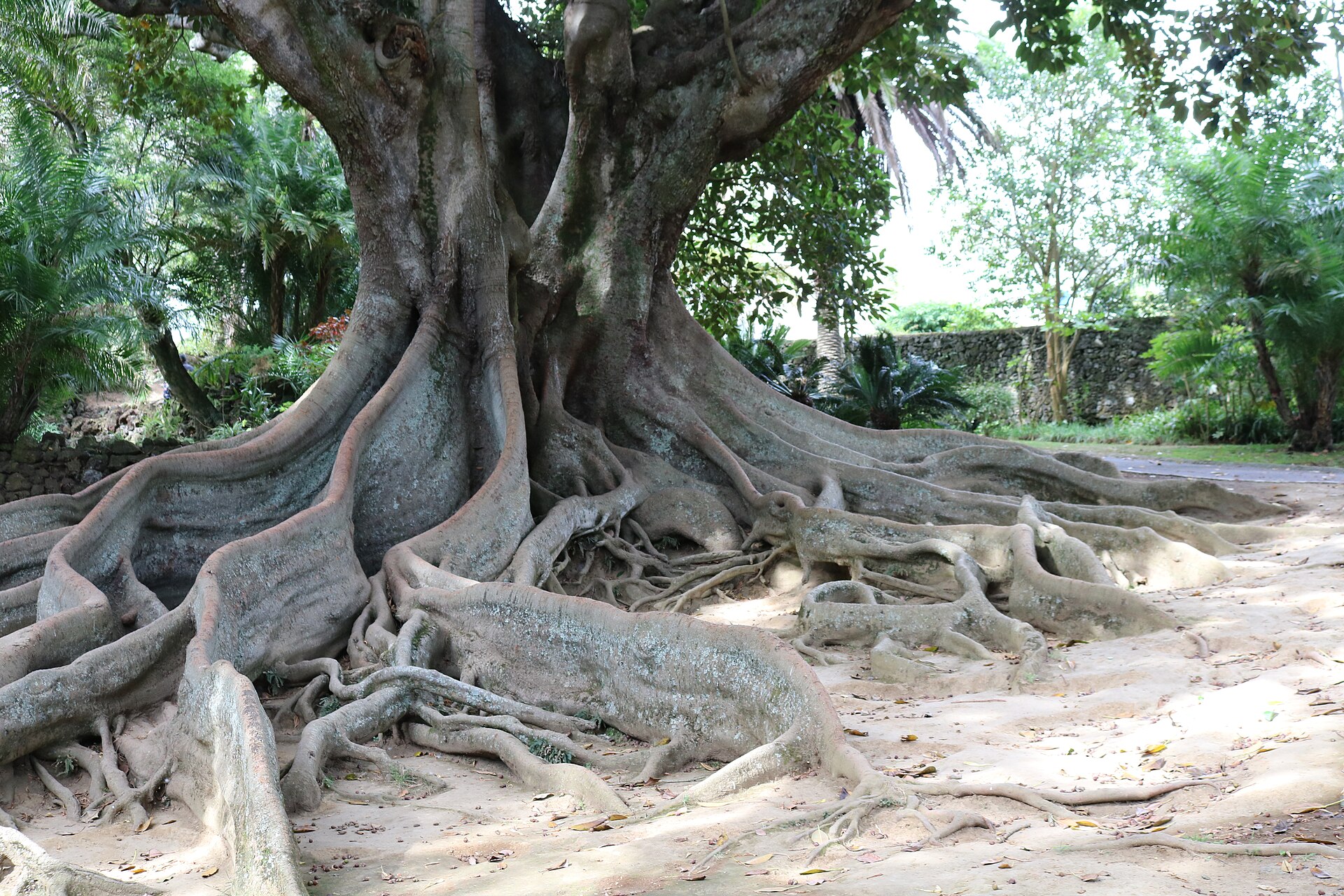
This isn’t a place for grand discoveries or dramatic views. It’s for those who appreciate the beauty in small things—the way sunlight slants through the branches, the way an old tree’s roots twist above the ground, the way the air feels a little cooler here than on the streets outside. You’ll often see locals making use of the space in unhurried ways: elderly men reading newspapers on the benches, students lingering over coffee from the nearby café, parents letting their children feed the ducks in the pool. In the evenings, especially in summer, you might hear live music drifting through the trees—usually traditional Azorean tunes played by local musicians.
What’s remarkable about the Jardim António Borges is how little it has changed over the decades. There have been repairs, of course, and the paths have been relaid, but the layout and the atmosphere remain much as they were a century ago. That’s rare in a world where public spaces are often redesigned to fit the latest trends. Here, the original intent has been preserved: a place that feels human in scale, where the past isn’t erased but lingers in the details.
In recent years, the garden has become part of broader efforts to revitalize Ponta Delgada’s public spaces. Small exhibitions by local artists pop up from time to time, along with workshops for children or occasional literary readings. But these events never feel intrusive. They’re woven into the garden’s rhythm, never disrupting its essential character. It remains, above all, a place to sit, to think, to watch the world go by at its own pace.
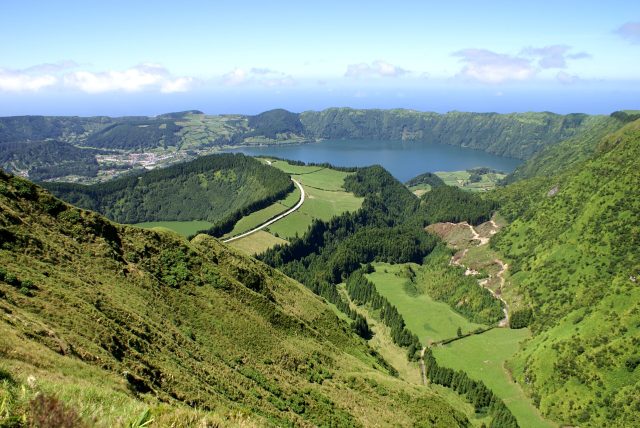
If you find yourself in Ponta Delgada, it’s easy to be drawn to the island’s more famous attractions—the volcanic lakes, the hot springs, the dramatic coastal views. But before you rush off, take a detour to the Jardim António Borges. It might not be the most talked-about spot on São Miguel, but it could be the one that stays with you longest. Here, in the quiet heart of the city, you’ll find a different kind of Azores: unhurried, rooted in history, and perfectly content to exist just as it is.