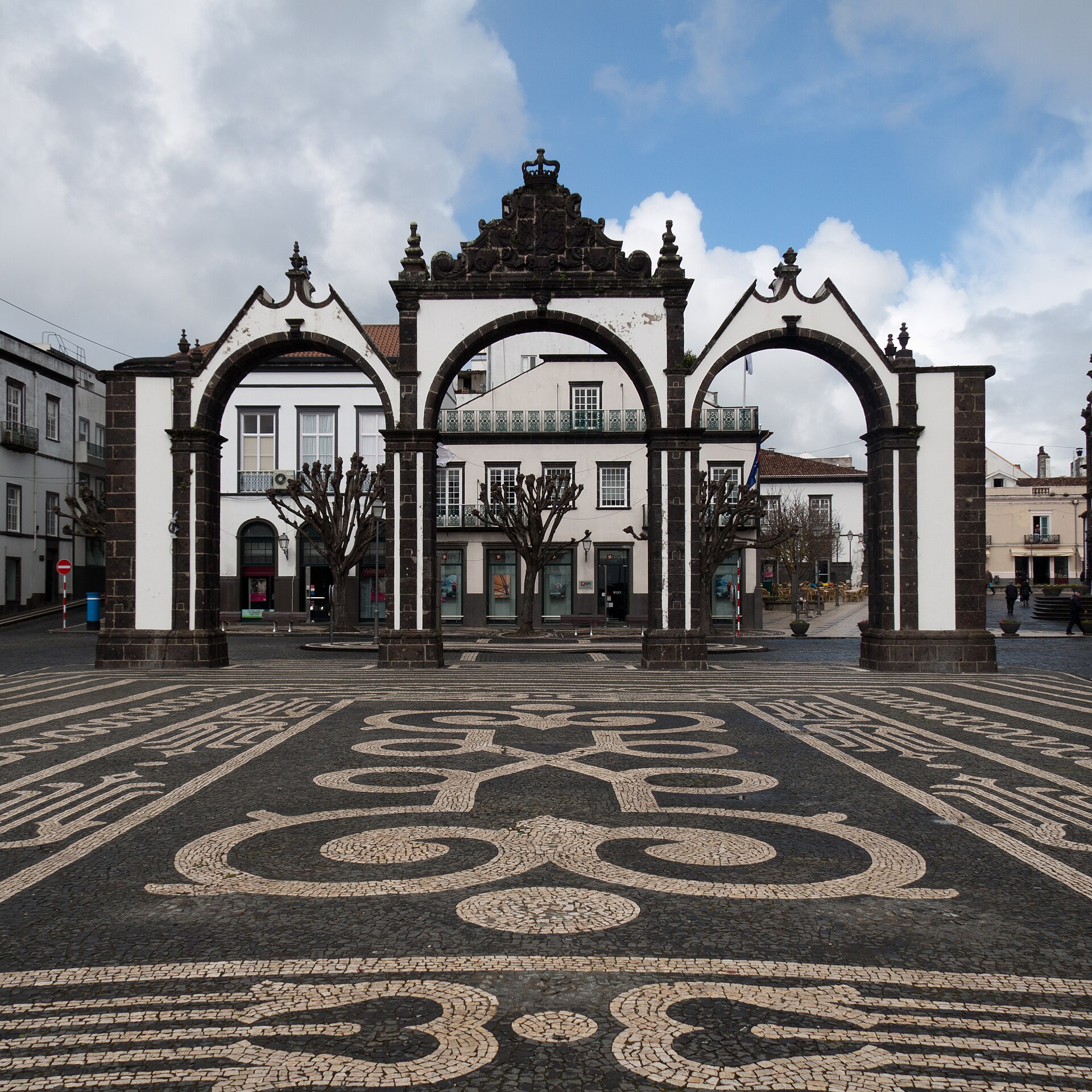
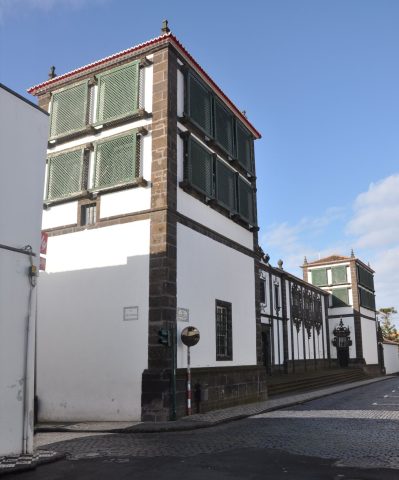
Gonçalo Velho Cabral Square is one of those places in Ponta Delgada where the city unfolds at its own unhurried pace, revealing its character without fanfare. Unlike the bustling tourist hubs of Lisbon or Porto, this square offers a quieter, more authentic glimpse into life on São Miguel Island, where every cobblestone seems to hold a story. Tucked in the heart of the old town, the square is a microcosm of the city’s architectural evolution—from the austere facades of its colonial past to the more refined buildings of later centuries, all coexisting without clashing.
The square takes its name from Gonçalo Velho Cabral, the 15th-century Portuguese navigator credited with discovering the Azores. His legacy is deeply tied to Ponta Delgada, which became the first major settlement on the archipelago and the starting point for the islands’ colonization. At the center of the square stands a modest bronze statue of Cabral, his gaze fixed on the horizon as if still awaiting the return of his ships. The monument is unassuming but striking, a quiet reminder of the city’s maritime roots. Locals often gather on the benches around it, pausing to rest or simply watch the ebb and flow of daily life.
The architecture here is a layered tapestry of styles, each reflecting a different era in Ponta Delgada’s history. The oldest buildings date back to the 16th and 17th centuries, when the city was establishing itself as a trade and administrative hub. Their facades, with intricate balconies, heavy wooden doors, and tall windows, bear the hallmarks of colonial design, brought over from mainland Portugal. Nearby, 19th-century structures tell a different story—lighter, brighter, and adorned with neoclassical details, a testament to the city’s prosperity during the orange and wine trade booms. Together, these buildings create a harmonious blend of old and new, each era leaving its mark without overshadowing the others.
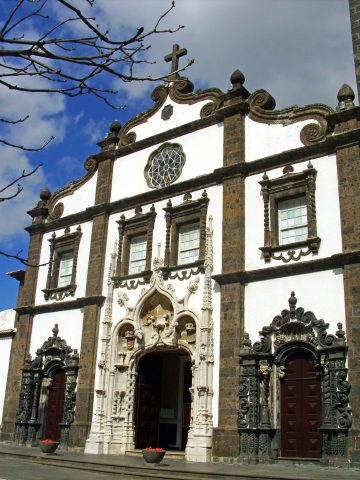
Dominating one side of the square is the Church of São Sebastião, one of Ponta Delgada’s oldest religious buildings. Construction began in the late 16th century, and though it has been renovated over the years, the church retains its original charm. Its facade is built from local volcanic stone, which glows warmly in the afternoon light, giving the structure an almost golden hue. Inside, the high-vaulted nave offers a cool respite from the heat, its quiet atmosphere inviting reflection. While the church remains an active place of worship, locals also visit for moments of solitude, lighting candles or sitting in contemplation.
Beyond its historical significance, Gonçalo Velho Cabral Square is the social heart of Ponta Delgada. Throughout the year, it hosts festivals, markets, and concerts, particularly in the summer when the island buzzes with visitors. During these events, the square transforms—stalls selling local delicacies line the edges, live music fills the air, and the scent of grilled fish and fresh bread drifts through the crowd. Yet even on ordinary days, the square is far from deserted. Elderly men play cards at café tables, children dart across the cobblestones, and visitors meander down the narrow streets branching off from the square, drawn deeper into the old town’s labyrinth.
What sets this square apart is its unhurried rhythm. Unlike the frenetic energy of larger European plazas, time here moves slowly, almost deliberately. You could spend hours on one of the benches, watching the light shift across the buildings, observing passersby pause at the windows of small shops, or seeing vendors arrange their goods on the pavement. In summer, the square is especially inviting—the shade of the trees offers relief from the sun, and in the evenings, the glow of streetlamps casts a theatrical warmth over the scene.
Wander down one of the side streets leading away from the square, and you’ll find yourself in the less touristy corners of Ponta Delgada, where life follows its own quiet pace. There are no luxury hotels or high-end restaurants here, just the genuine spirit of the Azores: tiny cafés serving strong coffee and local pastries, shops selling artisanal cheeses and wines, and houses with brightly painted shutters, repainted each year in anticipation of summer. The square serves as a perfect starting point for exploring the city, bridging the gap between past and present, between visitors and locals, between the lively festivals and the quiet moments in between.
Winter changes the square’s character entirely. The crowds thin, and the pace slows even more, but the beauty remains. Rain is common on the Azores, and when it falls, the cobblestones glisten, and the buildings’ facades take on a deeper, more dramatic hue. On these days, the square feels almost intimate, offering a chance to notice architectural details that might go unnoticed in the summer bustle. Occasionally, small Christmas markets pop up, selling handmade crafts and traditional sweets, but even without them, the square retains its charm—a quiet, slightly melancholic kind of coziness that feels uniquely its own.
Gonçalo Velho Cabral Square is more than just a landmark; it’s a place where the essence of Ponta Delgada reveals itself. There’s nothing staged or artificial here—just the weight of history in the stones beneath your feet, the murmur of conversations at café tables, and the ever-changing mood of the city. It’s the kind of place you return to again and again, each visit uncovering something new—a forgotten detail on a building’s facade, a hidden alleyway, or simply the way the light falls differently with each season. Whether you come for the history, the atmosphere, or just a moment of quiet, the square has a way of making you feel at home.