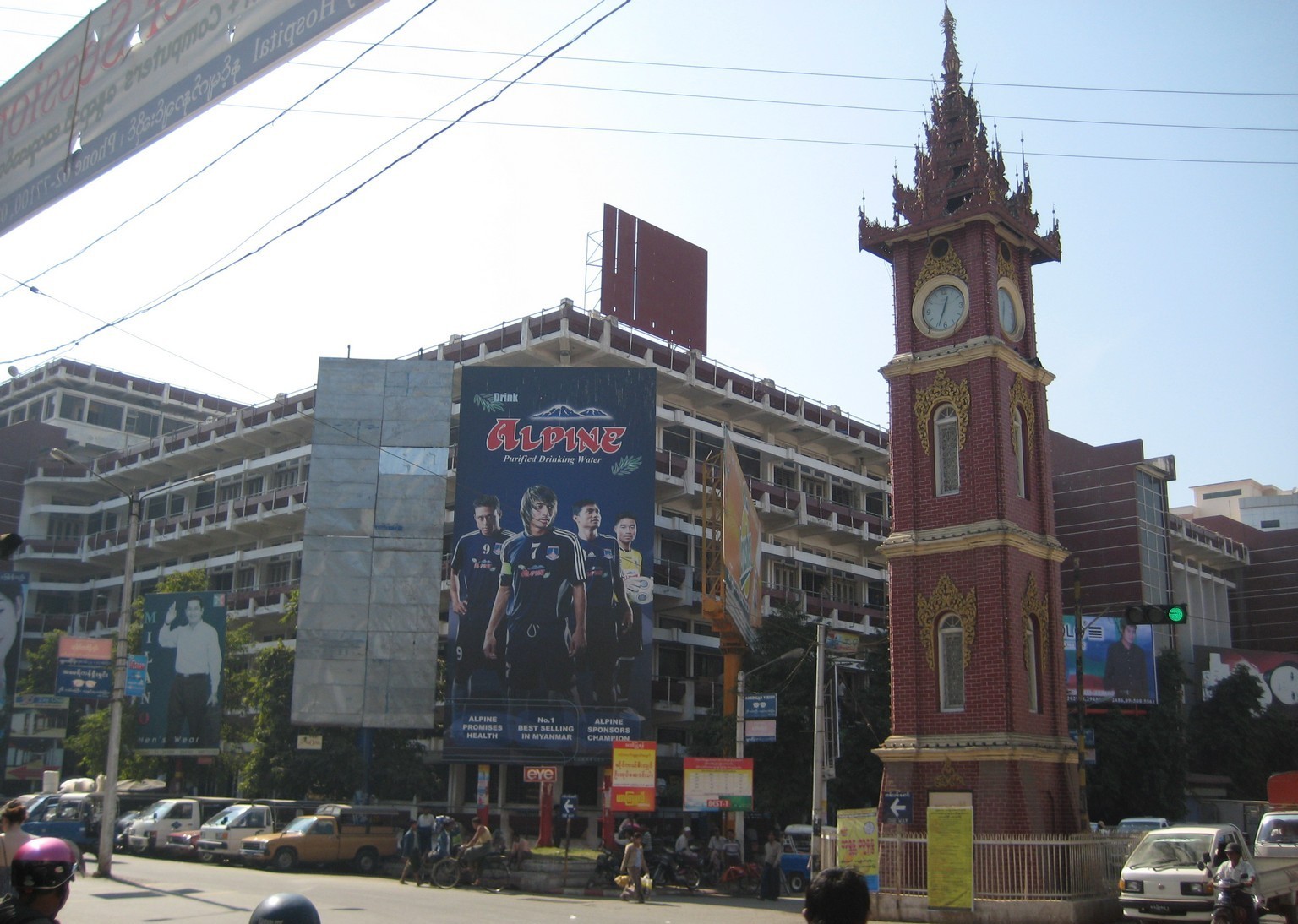
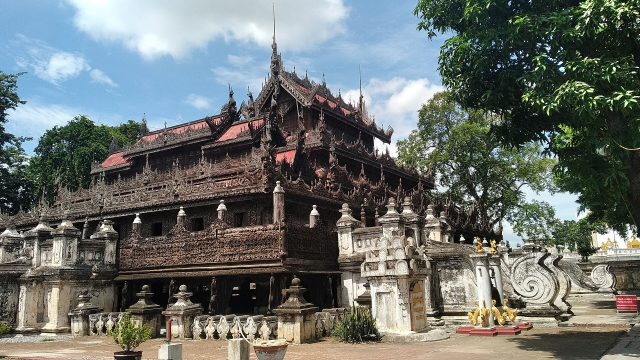
Zegyo Market isn’t the kind of place you visit for postcard-perfect scenes or polished tourist experiences. It’s where Mandalay reveals itself in its most unfiltered form—a maze of narrow alleys humming with the rhythms of daily life, where the air is thick with the scent of spices, the chatter of haggling voices, and the constant shuffle of goods changing hands. This isn’t a market designed for visitors; it’s a living, breathing organism that operates on its own logic, indifferent to anyone’s expectations. If you come here looking for more than just photographs, you’ll leave with something far more valuable: a sense of how the city actually functions, how its people move through their days, and what keeps the place running.
Unlike the sterile uniformity of modern shopping centers, Zegyo sprawls across several streets without any grand design. It grew organically over decades, expanding as new stalls and shacks were added wherever there was space. The architecture is purely functional—low-slung buildings with corrugated metal roofs, wooden awnings casting patchy shade over vendors and shoppers alike. Inside, the layout feels like a labyrinth, with tight corridors that twist unexpectedly, opening into new rows of goods. Locals navigate it effortlessly, but for outsiders, getting lost is part of the experience. There’s no map, no clear path, just the slow discovery of what lies around each bend.
The market sells everything imaginable, and then some. One section is devoted entirely to spices—piles of fiery red chili, golden turmeric, and dark cinnamon sticks that perfume the air. Nearby, the pungent aroma of dried fish hangs heavy, though the vendors barely notice it. There are bolts of fabric, from coarse cotton to shimmering silk that catches the light like liquid metal. Elsewhere, you’ll find stacks of enamelware, tools, secondhand electronics, dog-eared books, and even motorcycle parts. The range is staggering: if you need it, someone here is selling it, whether it’s a needle or a bicycle. The only limit is what you can carry.
Food takes up a significant portion of the market, and the selection is overwhelming. Meat stalls display whole carcasses being butchered on the spot, while fruit vendors offer exotic produce with names that might be unfamiliar—durian, mangosteen, rambutan, lychee. Many sellers will insist you try a sample, slicing off a piece with a knife, and refusing would be considered rude. The fish section is particularly lively, with live catches flopping in basins of water and fresh seafood grilling over open flames. It’s chaotic, sensory, and entirely unapologetic about it.
Beyond commerce, Zegyo serves as a social hub. Neighbors stop to gossip, vendors greet regular customers by name, and shoppers take their time, not just to browse but to catch up on the latest news. The pace is unhurried, even when the market is at its busiest. There’s no hard sell here; bargaining is expected, but it’s done with a smile, and no one rushes you. In many ways, Zegyo functions like traditional markets across Asia, where trade has always been as much about human connection as it is about transactions.
The market’s history is intertwined with Mandalay’s own rise. When the city became the capital of the Burmese Empire in the mid-19th century, traders from across the region flocked here, and Zegyo emerged as the commercial heart of the new capital. Over time, it expanded, absorbing new goods and customs, but its core purpose never changed. Today, you’ll still find local staples alongside imported goods, though the market’s character remains unchanged. It’s not a relic preserved for tourists; it’s a place that evolves alongside the city, adapting without losing its essence.
For visitors, Zegyo offers a glimpse of Mandalay stripped of its tourist veneer. There are no guided tours, no signs in English, no carefully curated paths. The experience is raw and unpredictable—you might stumble upon a woodcarver’s workshop, a stall selling antique coins, or a tiny tea shop where locals gather for strong, sweet brews. The key is to wander without a plan, to let the market dictate the pace. If you’re here for souvenirs, you’ll find them, but if you’re here for something deeper, you’ll leave with a far richer understanding of the city.
That’s not to say Zegyo is comfortable. On scorching afternoons, the heat is oppressive, and during the rainy season, the ground turns to mud. Some passages are so narrow you’ll have to turn sideways to squeeze through. But these inconveniences are part of what makes the market feel real. It’s not a place for those seeking air-conditioned comfort or sanitized experiences. Instead, it’s for travelers willing to accept Mandalay on its own terms—messy, vibrant, and unapologetically itself. After all, the city isn’t just about golden pagodas and royal palaces; it’s also about places like Zegyo, where life unfolds without pretense, indifferent to whether it impresses outsiders or not. And perhaps that’s what makes it so compelling.