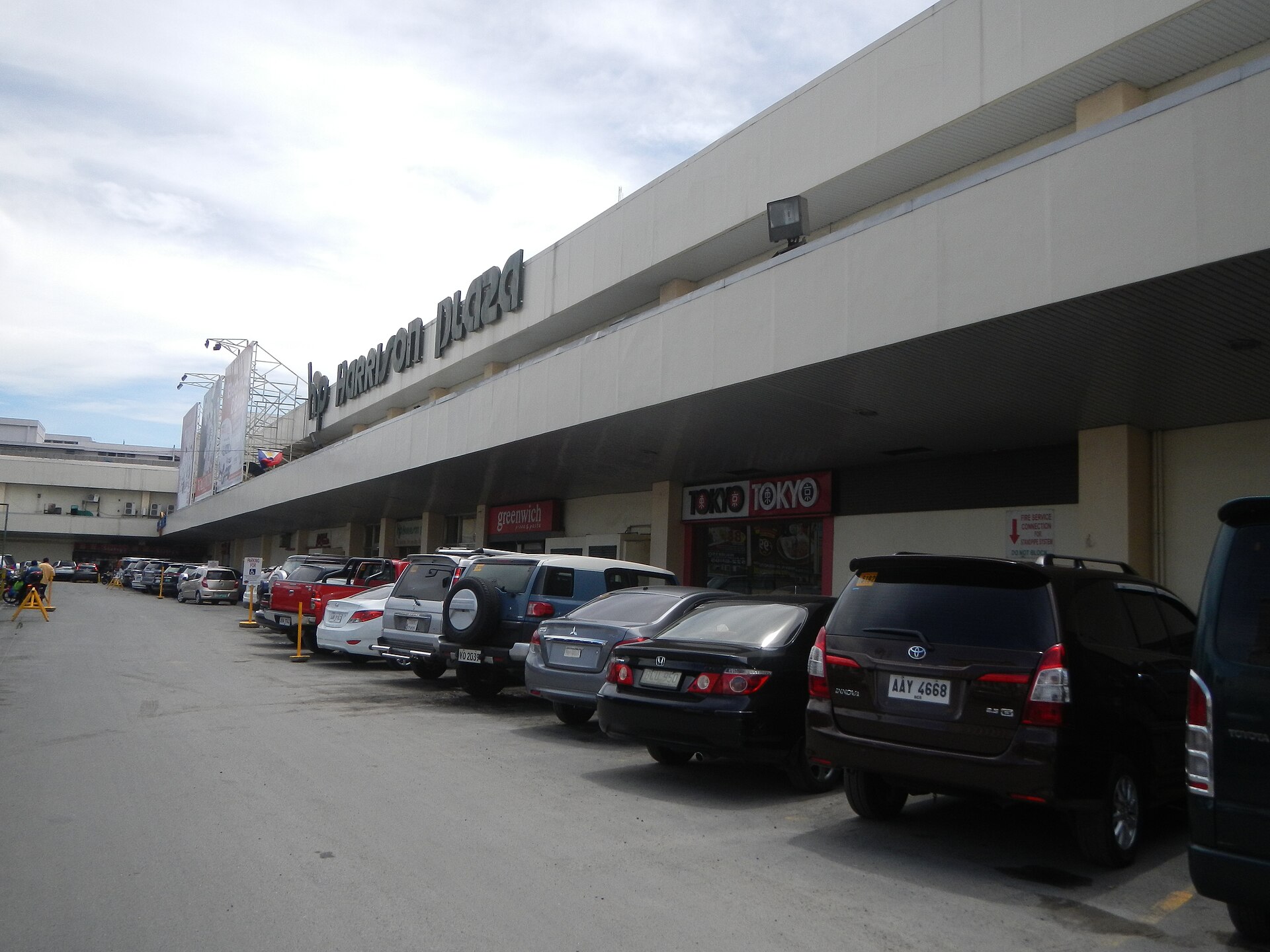
Harrison Plaza in Malate isn’t the kind of place that grabs your attention right away. It doesn’t have the polished sheen of Manila’s upscale malls or the carefully curated charm of tourist spots. Instead, it’s a raw, unfiltered slice of the city—a place where the rhythm of everyday life in the Philippines plays out in full volume. For those willing to look beyond the surface, it offers something far more interesting than shopping: a glimpse into the soul of Manila.
The market opened in 1976, back when it was one of the first large-scale shopping centers in the city. At the time, it was a symbol of modernity—air-conditioned halls, escalators, and storefronts selling everything from clothes to electronics. For many Filipinos, it became a backdrop for first dates, family outings, and even political gatherings. Over the decades, it has been renovated, but its core purpose never changed. It remains a social hub where people from all walks of life cross paths, whether they’re students on a budget, families stocking up on essentials, or curious visitors wandering through the crowds.
Today, Harrison Plaza feels less like a mall and more like a sprawling indoor bazaar. Hundreds of stalls and small shops line its narrow corridors, selling everything from bargain clothing and shoes to household appliances, cosmetics, and groceries. The real draw, though, is the selection of traditional Filipino goods—handwoven fabrics, wooden carvings, local sweets, and spices. Unlike the sterile aisles of supermarkets, here you can haggle, turning a simple purchase into a lively exchange. The prices are often a fraction of what you’d pay elsewhere, which is why locals from across Manila make the trip.
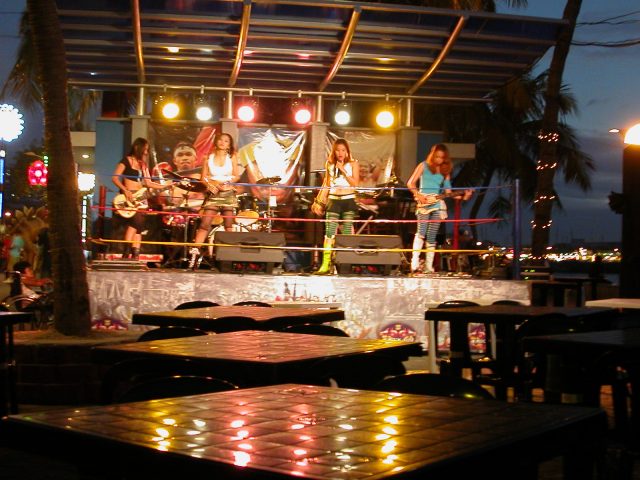
The atmosphere is chaotic in the best way. The aisles are packed with shoppers, vendors call out their latest deals, and neon signs in Tagalog and English flicker overhead. Weekends are especially busy, with families pushing through the crowds, teenagers meeting up with friends, and the occasional tourist trying to navigate the maze of stalls. If you’re lucky, you might stumble upon an impromptu performance—a street musician playing a guitar or a vendor singing to attract customers. The energy is infectious, even if it can be overwhelming at first.
What keeps people coming back isn’t just the shopping. Harrison Plaza has become a place where you can take a break from the hustle and grab a bite. Small eateries and food stalls serve up classic Filipino snacks and meals—halo-halo, the colorful shaved ice dessert, balut (a fertilized duck egg, for the adventurous), or fresh tropical fruits. The food is simple, cheap, and unpretentious, the kind of thing you’d find in a local carinderia rather than a tourist-friendly restaurant.
Architecturally, Harrison Plaza won’t win any awards. The building is functional rather than stylish, with a slightly worn look that contrasts sharply with Manila’s sleek new malls. But that’s part of its appeal. There are no glass facades or designer interiors here—just concrete floors, exposed pipes, and walls covered in graffiti. It feels lived-in, like a place that has absorbed decades of stories. The lack of polish doesn’t detract from the experience; if anything, it makes it more authentic.
In recent years, Harrison Plaza has faced competition from newer, shinier shopping centers, but it hasn’t lost its place in the city’s fabric. For many Filipinos, it’s tied to memories of childhood or younger years. For visitors, it’s a chance to see Manila without the glossy veneer. There’s no luxury here, just the unfiltered energy of a place that exists for the people who use it, not for the tourists who pass through.
If you find yourself in Malate, it’s worth stopping by Harrison Plaza, even if just for an hour. You don’t have to buy anything—just wander the aisles, listen to the hum of voices, breathe in the mix of spices and street food, and watch the flow of daily life. It’s messy, loud, and sometimes exhausting, but that’s what makes it real. Places like this don’t exist to impress; they exist because they’re needed. And that’s what makes them worth remembering.