Rizal Park is one of those rare places in Manila where the weight of history lingers in the air. Nestled in the district of Malate, it isn’t just another patch of green in a bustling metropolis—it’s a living memorial to José Rizal, the national hero of the Philippines. The park carries the echoes of a nation’s struggle for independence, a place where the past feels tangible, almost within reach. For Filipinos, it’s more than a landmark; it’s a reminder of the ideals that shaped their country and the sacrifices made along the way.
The park’s origins trace back to the late 19th century, when Manila was still under Spanish colonial rule. Originally known as Luneta, it began as an open space just beyond the walls of Intramuros, where locals gathered for leisurely strolls and public events. Over time, it became inextricably linked to Rizal’s fate. It was here, in 1896, that he was executed for his writings advocating reform and resistance against colonial oppression. After the Philippines gained independence, the park was renamed in his honor, and a monument was erected at its heart—a towering symbol of national pride.
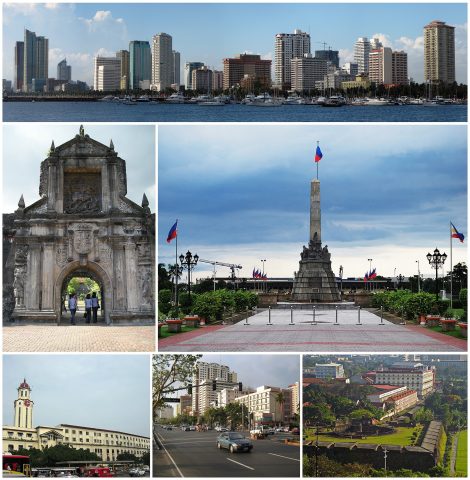
The architecture of Rizal Park reflects the layers of history that have shaped the Philippines. At its center stands a granite obelisk crowned with a bronze statue of Rizal, surrounded by manicured lawns and winding paths. Nearby, a Japanese garden, gifted to Manila as a gesture of friendship, offers a quiet retreat with its koi ponds and stone lanterns. Not far from it, a Chinese garden with delicate pagodas and arched bridges speaks to the cultural ties between the Philippines and China. These spaces create pockets of tranquility, a stark contrast to the frenetic energy of the city just beyond the park’s borders.
For locals, Rizal Park is a place of everyday life as much as it is a memorial. Mornings often bring groups practicing tai chi or yoga, while evenings see families lingering by the fountains or children playing under the shade of trees. On weekends, the park comes alive with street musicians, portrait artists, and vendors selling traditional snacks like balut or fresh mangoes. National holidays transform it into a stage for celebrations—concerts, festivals, and ceremonies that draw crowds from across the city.
Yet the park is more than just a backdrop for leisure. It has long been a gathering place for those who seek to voice their concerns—rallies for human rights, democracy, and social justice often take root here. In many ways, it remains a symbol of the ongoing struggle for freedom, a reminder that the fight for a better future didn’t end with independence. At the same time, it’s a place where people come to unwind, to sit on a bench with a book or simply watch the world go by.
Despite its historical significance, Rizal Park doesn’t feel like an open-air museum. It’s a living, breathing part of Manila, evolving alongside the city. Modern sculptures stand near the monument, and the skyline of Makati’s business district looms in the distance, a reminder of how the past and present coexist. The park serves as a bridge between eras, a place where history isn’t just remembered—it’s still being written.
For visitors, Rizal Park offers a glimpse into the soul of the Philippines. There are no flashy attractions or luxury resorts here, just the quiet dignity of a place that has witnessed so much. Walking its paths, you begin to understand what this space means to Filipinos—the reverence for their heroes, the pride in their history, and the resilience of their spirit. As evening falls and the lanterns flicker to life, the park takes on a different mood. The air grows cooler, the noise of the city fades, and for a moment, time seems to slow down, as if inviting you to pause and reflect on the stories this place holds.