Malate is one of those Manila neighborhoods where the city’s relentless energy softens into something slower, something shaped by the sea. Stretching along Manila Bay, it began as a quiet coastal settlement and has since grown into a lively district where history, culture, and everyday life overlap in unexpected ways. There are no grand landmarks here, no crowds of tourists following guidebooks. Instead, Malate has its own rhythm—noisy, a little rough around the edges, but undeniably alive.
During the Spanish colonial era, Malate was one of the first areas where conquistadors set foot. They built the Church of Nuestra Señora de los Remedios, which still stands today, though not in its original form. The church has survived wars, earthquakes, and countless renovations, its modest facade now blending into the surrounding streets. Inside, the air is quiet, the old icons still watchful, and time feels suspended. Locals still gather here on Sundays, while visitors rarely linger, drawn instead to more famous sites.
When the Americans took control in the early 20th century, Malate became a fashionable place for leisure. Wealthy families built villas, cafes opened along the waterfront, and the promenade became a popular spot for evening strolls. Little remains of that era, but if you wander the streets near the church, you might still catch glimpses of old wooden houses with carved balconies and tiled roofs, half-hidden behind modern facades. The area retains a faded charm, a sense of Manila as it once was.
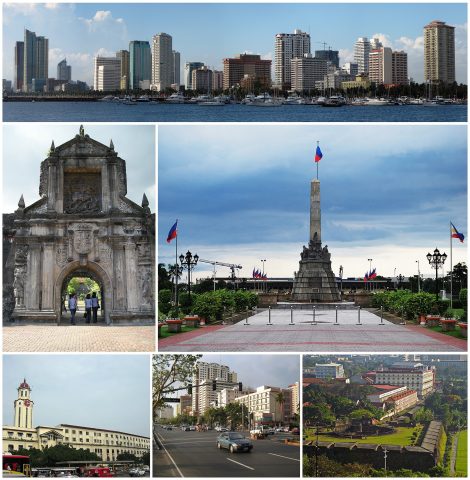
World War II left deep scars on Malate. The neighborhood was heavily damaged during the Battle of Manila, and much of its architecture was lost. After the war, it was rebuilt, but never with the same grandeur. Today, Malate is a patchwork of old and new—a crumbling colonial building might stand next to a glass-fronted mall, a reminder that the district exists in multiple eras at once.
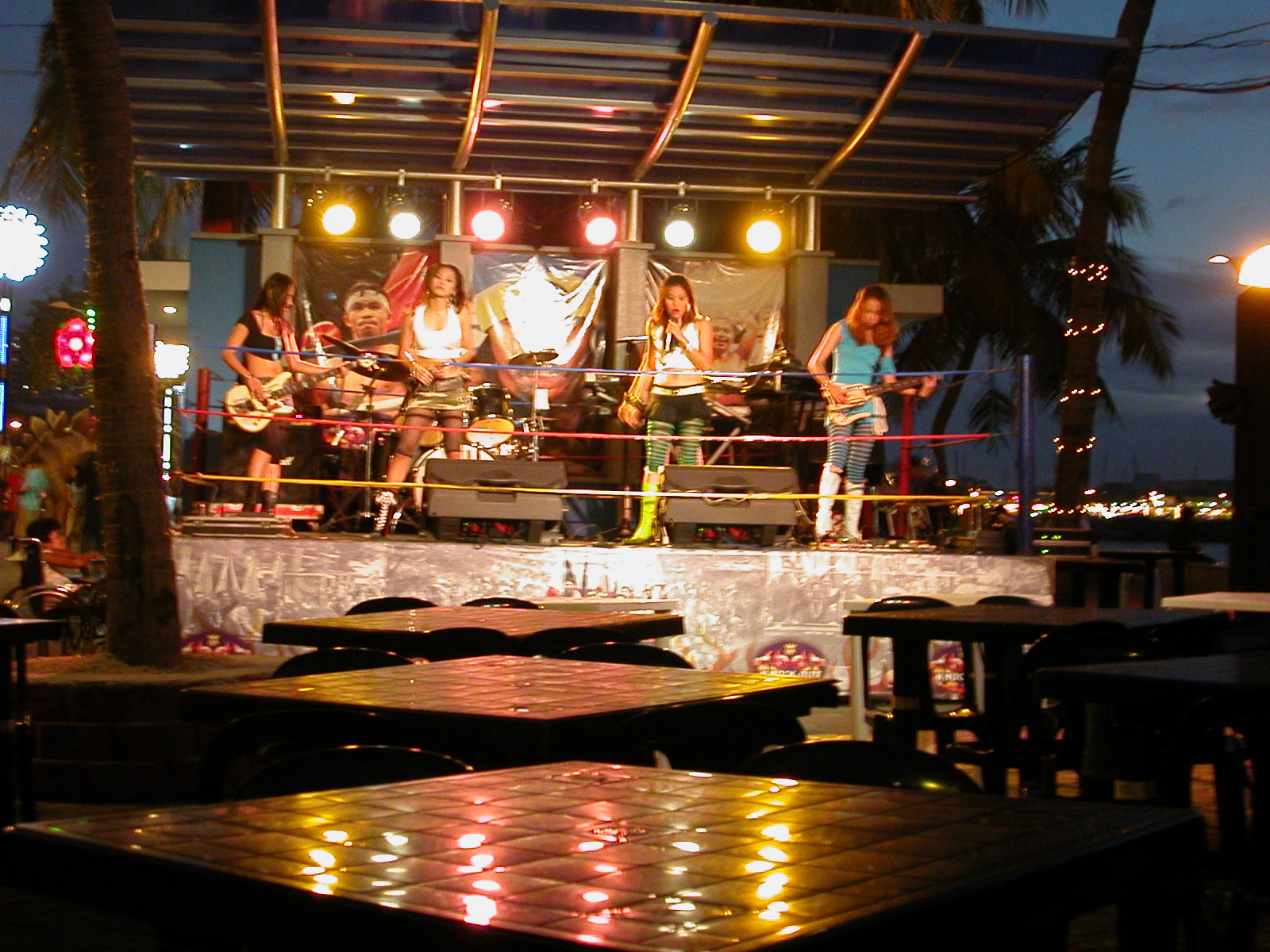
One of Malate’s defining features is Rizal Park, which stretches along the bay. It’s a place where locals escape the heat, where families picnic and children fly kites. The park is small but well-kept, with winding paths and benches that fill up in the evenings. On weekends, the air hums with music from street performers, the scent of grilled corn and fried snacks drifting through the crowd. The waterfront extends beyond the park, where fishing boats bob in the bay. The water isn’t pristine, but the view—especially at sunset—is still striking.
Malate is a neighborhood of contrasts. Luxury hotels stand near budget hostels, upscale restaurants share the street with food stalls serving cheap, hearty meals. In recent decades, it has become a magnet for foreigners, particularly those staying in Manila long-term. The streets buzz with a mix of languages—English, Spanish, Chinese, Tagalog—creating a sense of a small, self-contained world within the city.
Despite its international crowd, Malate hasn’t lost touch with local traditions. Festivals, or *fiestas*, are still a big part of life here, especially the celebration of Nuestra Señora de los Remedios. During the feast, the church and surrounding streets are decorated with flowers, and a procession carries the statue of the Virgin through the neighborhood. The air fills with the sound of drums, the smell of food, and the energy of a community coming together.
Walking through Malate isn’t about ticking off sights—it’s about stepping into the flow of daily life. There’s no set path, and that’s part of the appeal. You might wander into a tiny shop selling handmade crafts, or pause at a café where they serve *santo*, a strong local coffee. The market is always lively, with vendors selling fresh fish and tropical fruit, while the park offers a quiet spot to watch the world go by.
Malate isn’t the Manila you see in postcards. It’s not polished or pristine, and there are no carefully curated tourist routes. But that’s exactly why it feels real. Here, history isn’t locked away in museums—it’s in the weathered walls, the conversations of locals, the scent of saltwater and street food. It’s a place where you can see the city as it truly is, not as it’s meant to be seen.