- Home
- Philippines
- Maláte

Maláte
Philippines · 8 places
Photo: patrickroque01, CC BY-SA 4.0
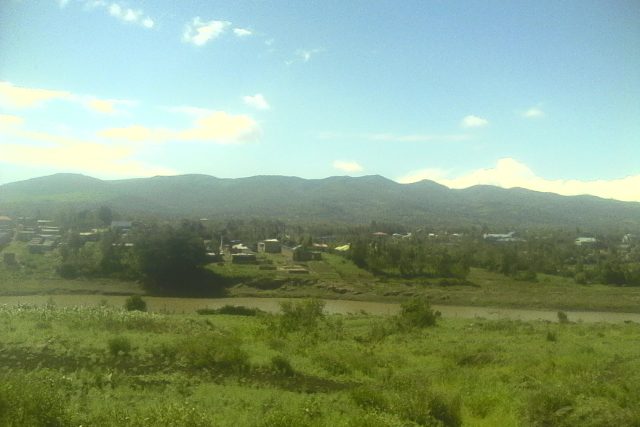
Malate is where Manila exhales. The city’s relentless energy softens here, replaced by wide sidewalks, tree-lined streets, and a waterfront that invites evening strolls once the heat of the day has faded. There are no towering skyscrapers, just a quiet rhythm of life that feels less hurried, less polished. The neighborhood exists in a kind of limbo—partly stuck in the past, with its crumbling colonial houses and ornate balconies, and partly embracing the present, with its cafés serving iced coffee and plates of fresh mango. It doesn’t try to be perfect, and that’s what makes it feel real.
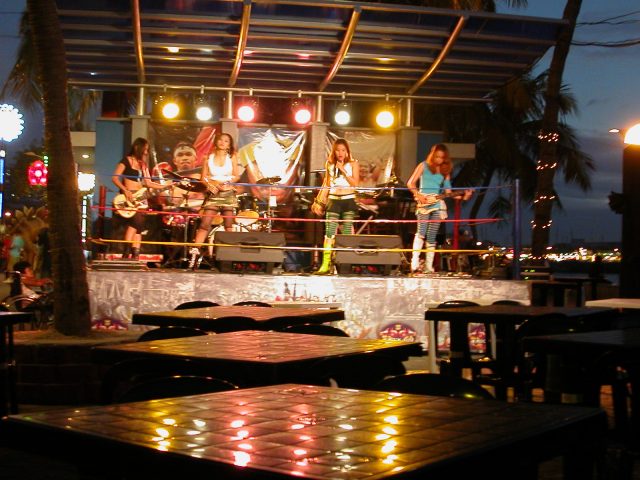
By day, Malate moves at its own unhurried pace. Students from nearby universities drift through the streets, vendors sell fish and fruit from wooden stalls, and the occasional traveler wanders in, looking for something beyond the usual tourist spots. The market is the kind of place where spices still smell like the islands they came from, and where you might work up the nerve to try balut if you’re feeling adventurous. But as the sun sets, the neighborhood transforms. Bars flicker to life, music spills onto the sidewalks, and the waterfront fills with people—some just sitting by the water, listening to the waves, watching the lights of ships glide across the bay.
Malate has long been called Manila’s cultural heart, and it’s easy to see why. The National Museum of Anthropology sits here, its halls filled with artifacts that tell the stories of the Philippines’ indigenous peoples, their traditions, and their crafts. Smaller galleries dot the area, showcasing everything from classic landscapes to bold contemporary works by local artists. Then there are the old churches, like the Malate Church, built by Spanish friars in the 17th century. Its weathered walls have stood through centuries of change, a quiet witness to the city’s evolution.
But Malate isn’t just about history or culture. It’s where you get a glimpse of everyday life in the Philippines, unfiltered and unscripted. There are no crowds of tourists posing for photos, just the rhythm of local life—women washing clothes at public taps, kids playing basketball on dusty courts, old men chatting on benches. The narrow streets twist and turn, houses packed so closely together you can hear neighbors talking through open windows. It’s in these moments that the city feels less like a collection of landmarks and more like a place where people actually live.
Of course, Malate isn’t without its contrasts. Luxury hotels stand near makeshift homes, upscale restaurants share the same blocks as street-side eateries where a meal costs next to nothing. The neighborhood doesn’t fit neatly into any one category, and that’s what makes it compelling. It’s not the kind of place you’d want to stay in forever, but it’s the kind of place you’d return to—just to feel the pulse of the city, not just check another attraction off your list.
See & Do
All of them
Stay
All of them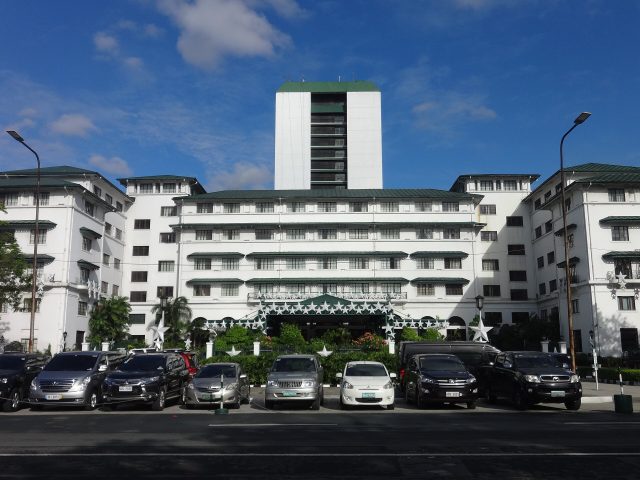
Places on the map
Marker colour follows the categoryClimate and weather
Detailed weather: Maláte- Average temperature
- 29 °C
- Precipitation per year
- 2062 mm
- Sunshine hours per day
- 0 h
Average air temperature
°C
27
27
29
30
31
30
29
29
29
29
29
28
Jan
Feb
Mar
Apr
May
Jun
Jul
Aug
Sep
Oct
Nov
Dec