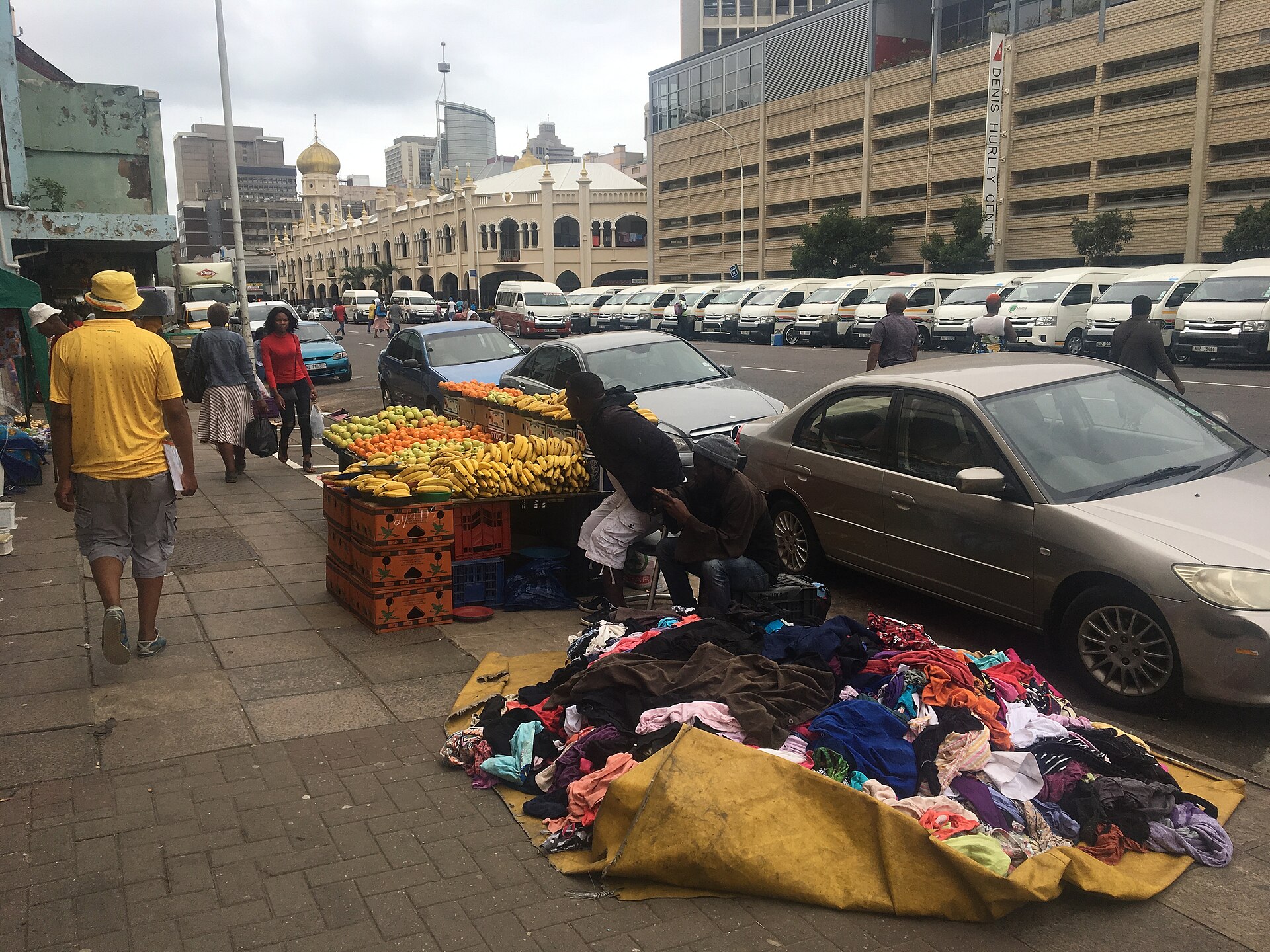
Victoria Street Market is one of those places in Durban where the city reveals itself without filters. There are no polished storefronts or sanitized spaces here—just the raw, unfiltered energy of daily life. The air hums with voices, the scent of spices lingers in every corner, and the rhythm of trade feels as natural as breathing. This isn’t just a market; it’s a living crossroads of cultures, a place where the traditions of South Africa’s many communities have intertwined for over a century.
The market’s origins trace back to the late 1800s, when Durban was transforming into a bustling port city. Workers from India, China, Europe, and across Africa arrived, bringing with them goods, crafts, and culinary traditions. What began as an open-air trading space gradually evolved into the covered market it is today. The building itself is a striking example of colonial architecture, blending Indian and African influences with its high ceilings, intricate metalwork, and large windows. Sunlight streams through the glass roofs, casting shifting patterns across the stalls and filling the space with warmth.
What you’ll find here isn’t just merchandise—it’s a slice of history. The market is famous for its spices: turmeric, cardamom, chili, coriander, and pre-mixed curry blends sold by the handful or in sacks. The aroma is intoxicating, drawing you deeper into the aisles. Many of the vendors have worked here for decades, their families passing down recipes and techniques from generation to generation. Some will tell you how a particular spice blend made its way from India or Madagascar, its journey woven into the fabric of Durban’s identity.
Food is a big part of the experience. The market’s eateries serve up dishes that reflect the city’s multicultural roots, cooked fresh right in front of you. Biryani—fragrant rice layered with spiced meat—is a must-try, as are samosas, their crisp pastry shells hiding savory fillings. For something sweet, kulfi, a dense, creamy ice cream flavored with saffron or rosewater, offers a refreshing contrast to the heat of the spices. Most people eat on the go, moving from stall to stall, tasting as they wander.
The market is as much about the people as it is about the goods. Vendors in traditional attire—saris, dhotis, kurtas—add splashes of color to the scene, while the walls are adorned with faded photographs that hint at the market’s long history. Languages blend in the air: Zulu, English, Hindi, Afrikaans. The sound of bargaining, laughter, and storytelling creates a soundtrack that feels both chaotic and strangely harmonious. It’s easy to lose yourself in the crowd, not as a tourist, but as someone momentarily caught up in the flow of daily life.
Mornings at the market are quieter, a good time to wander the aisles and watch vendors set up their stalls. By midday, the space fills with people, the noise and activity reaching a crescendo. Yet even in the busiest moments, there’s a sense of order—a rhythm to the chaos that feels almost meditative. The market doesn’t just sell goods; it preserves a way of life, one that values connection over convenience.
This isn’t a place for those seeking luxury or perfection. The market is loud, crowded, and unapologetically real. Some might find it overwhelming, but that’s part of its charm. It doesn’t cater to tourists; it simply exists as it always has, a testament to Durban’s layered identity. If you visit, don’t rush. Take a seat on one of the benches, order a cup of spiced tea, and watch the world go by. You might hear the strains of a sitar in the distance, or catch a craftsman carving a wooden elephant. Or you might just sit there, letting the market’s timeless pace wash over you—a reminder that some places aren’t meant to be hurried through.