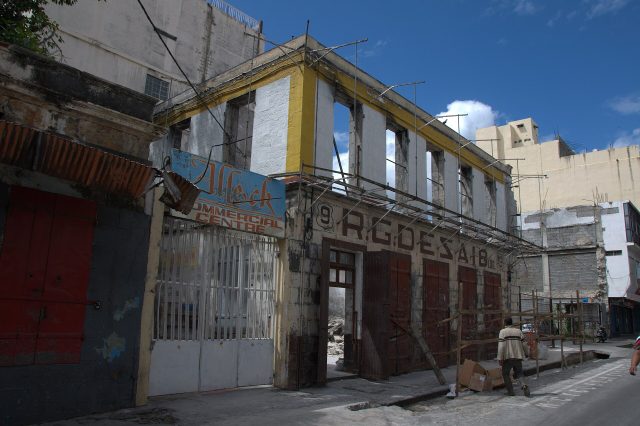
Triole Market is one of those places in Mauritius where time seems to slow down, where life moves to its own rhythm. It’s not the kind of spot overrun by tourists, though visitors do wander in now and then. Mostly, it belongs to the locals—vendors calling out their prices, shoppers haggling over produce, passersby stopping not just to buy but to chat. Tucked in the heart of Triole, a small town on the island’s northern coast, the market is impossible to miss. It’s always loud, always crowded, always thick with the scent of spices, fresh fish, and ripe tropical fruit.
The market’s story is woven into Triole’s own history. The town began in the 18th century as a settlement for workers from the island’s sugar cane plantations. Back then, the market was little more than an informal trading post where locals and traveling merchants swapped goods. Over time, it took shape—stalls were built, roofs went up, and the market became more than just a place to buy and sell. It turned into the town’s social hub, a gathering spot where people came as much for conversation as for commerce. Even now, walking through its aisles, you can sense the echoes of a time when Triole was just a quiet, unassuming town far from the tourist trail.
The market’s architecture is simple and practical. There are no grand columns or ornate facades here—just a maze of narrow walkways where every inch of space is put to use. Corrugated metal roofs shield shoppers from the midday sun and sudden tropical downpours, while the stalls themselves are cobbled together from whatever materials were handy—wood, plywood, even plastic. It all feels a little makeshift, though the market has stood here for decades. The chaos is only surface-deep, though. Each vendor has their own spot, and every product has its season. The rhythm is unspoken but understood.
Mornings at the market start early. By six, the place is already humming with activity—vendors arranging their goods, shoppers sizing up the day’s offerings, the air rich with the mingling scents of ginger, turmeric, and fish fresh from the ocean. Sundays are the busiest, when people from nearby villages flock in. On those days, the market feels like a festival. Stalls overflow with rare fruits, spices in unexpected combinations, and vendors compete to offer samples—mango, lychee, some unfamiliar root with an earthy taste. The energy is infectious, the kind that makes you want to linger.
The market’s real treasure, though, is its food. You’ll find everything the island has to offer, from familiar bananas and pineapples to exotic fruits like jackfruit and sapodilla. Spices take center stage—cinnamon, vanilla, cardamom, cloves—remnants of Mauritius’ past as a key stop on the spice route between Asia and Europe. They’re sold by the handful, in small bags, or as ready-made blends for local dishes. The fish section is just as impressive, with catches that were swimming in the ocean just hours before—tuna, sea bream, octopus, and sometimes rarer finds like barracuda or moray eel.
But the market isn’t just about food. You’ll find everything from cheap clothes and shoes to kitchenware and souvenirs. One section is devoted to brightly colored fabrics, patterned with traditional Mauritian designs, which women use to make saris or everyday clothing. There are also stalls selling medicinal herbs and roots, touted as cures for everything from colds to fatigue. Some of the claims might be exaggerated, but the atmosphere of trust and tradition makes these rows worth a browse.
Then there’s the food. Street vendors serve up cheap, filling meals—flatbreads stuffed with fish or vegetables, curries with rice, fried bananas, and more adventurous options like dried bat meat or fried insects. For the uninitiated, it might be a lot to take in, but locals eat it all with relish, washing it down with cold coconut milk or sugarcane juice. If that’s too much, there’s always a cup of strong, milky Mauritian tea, brewed to perfection.
More than just a place to shop, Triole Market is a living, breathing part of the town. It’s where you’ll see elderly women haggling over prices, young men joking with vendors, children darting between stalls begging for sweets. The noise and bustle make it easy to forget you’re on an island many see only as a resort. But this is the real Mauritius—the one that exists beyond the postcards, where life moves at its own unhurried, vibrant pace.
The market has changed over the years, of course. New products appear, old ones fade away, and some traditions slip quietly into the past. But at its core, it remains the same—loud, colorful, a little chaotic, but undeniably welcoming. For tourists, it’s a chance to see the island from a different angle. For locals, it’s where they come to buy their groceries, catch up with neighbors, and spend time in a place that feels like home. In the end, Triole Market isn’t just a landmark. It’s a slice of everyday life, one that keeps going whether visitors come or not.