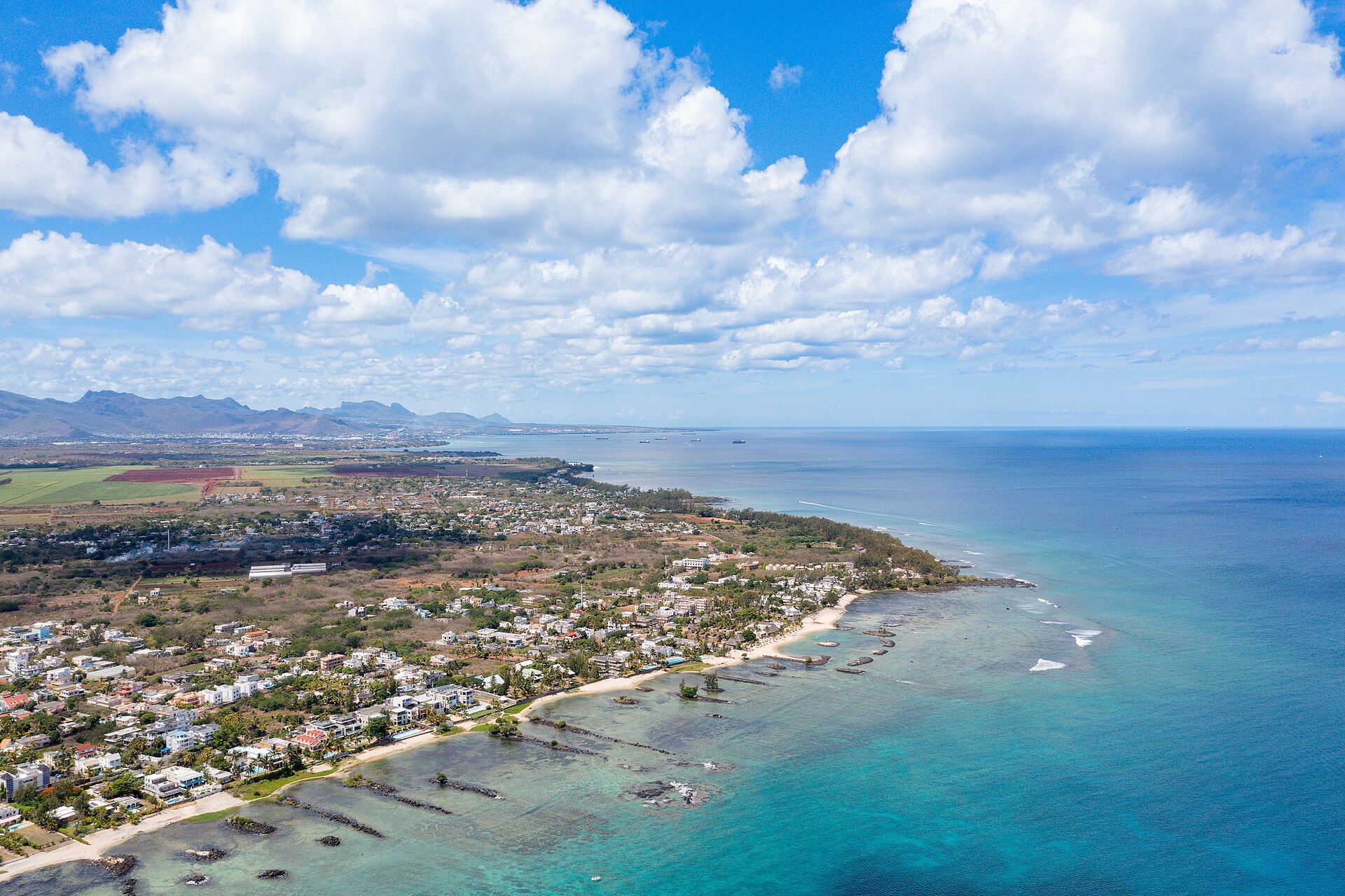
Triolet Beach is one of those places in Mauritius where the land and sea meet without fanfare, as if nature set it aside for those who prefer quiet over crowds. Stretching along the island’s northern coast, it remains less trodden than the more famous shores to the south, with gentle waves from the Indian Ocean lapping at a long strip of pale sand. There are no towering hotels looming over the shore, no rows of sunbeds lined up like soldiers—just the natural rhythm of the tides, the whisper of casuarina trees offering shade, and the low green hills rising in the distance.
This wasn’t always a place of stillness. Once, Triolet was at the heart of Mauritius’ sugar industry, and the beach was where plantation workers gathered after long days in the fields. Back then, there were no luxury resorts or even simple cafés—just the ocean, the sand, and people for whom the sea was part of daily life. Today, traces of that era linger in the old warehouses on the edge of the village and the few fishing boats that still set out at dawn. The locals treat this place with the same quiet respect as their ancestors did, not as a tourist attraction but as an extension of home.
The water here is clear but not the crystal blue of the island’s southern lagoons, where coral reefs shield the coast from strong currents. Triolet faces the open ocean, so while swimming is safe, the waves can be noticeable, especially during the monsoon season. That openness, though, is part of its charm. The seabed slopes gently, free of sharp rocks or coral, making it easy to wade in, even with children. At low tide, patches of seaweed appear, a reminder that nature follows its own rules.
There’s no grand architecture here—no colonial mansions, no historic forts, not even the kind of modern sculptures that dot more touristy spots. Instead, there’s something rarer: a sense of authenticity. The houses along the shore are mostly single-story, their pastel walls and corrugated iron roofs blending into the landscape. Some stand on stilts to avoid high tides, others are surrounded by gardens of mango, lychee, and coconut trees. In the evenings, locals sit on their verandas, watching the sunset, while the occasional visitor might join them with a cold local beer.
Unlike the more polished beaches of Flic-en-Flac or Trou aux Biches, Triolet hasn’t become a backdrop for weddings or Instagram shoots. There are no paved promenades or multilingual menus—just a handful of small stalls selling fresh fruit or fried fish wrapped in newspaper, and a few family-run guesthouses where meals are homemade. In the mornings, fishermen mend their nets or sell their catch straight from their boats. By afternoon, children play football on the sand, and elders sit under the trees, talking.
As the sun begins to set, the beach transforms. The sky turns shades of orange and pink, and the ocean mirrors the colors like glass. The sand still holds the day’s warmth, and the air carries the scent of salt and blooming frangipani. Sometimes, small bonfires appear, and musicians gather with guitars and traditional ravanne drums, their music blending with the sound of the waves. For a few hours, the beach becomes an open-air stage, unplanned and unhurried.
For those who want to explore beyond the shore, Triolet is a good starting point. The old sugar mills of Grand Baie are nearby, as is the Casela Nature Park, home to giant tortoises and native birds. But many visitors choose to stay right here, watching how the water changes color with the light or listening to locals share stories of the island’s past—of the first settlers who once landed on these very sands.
Triolet isn’t a place for luxury or excitement. There are no spas, no water sports, no souvenir shops. That’s precisely why it lingers in the memory—it’s a quiet corner where time moves slowly, and the ocean feels endless. One day, mass tourism might reach this shore, bringing hotels and restaurants with it. But for now, Triolet remains what it has always been to those who know it best: simple, real, and just a little forgotten. The kind of place where what you feel matters more than what you see.