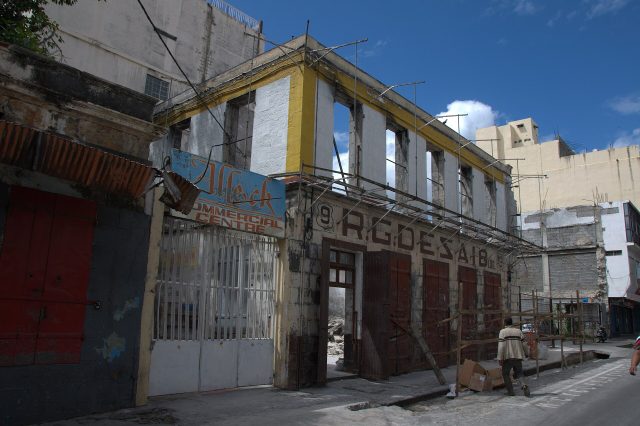
This is where the past feels alive—not preserved behind glass or reduced to a tourist attraction. Mauritius has long been a crossroads of cultures, and the island’s Chinese community—descendants of laborers who arrived in the 19th century to work on sugar plantations—has left its mark. The center keeps that legacy alive, not as a relic, but as something that still breathes and belongs to those who call it home.
The building doesn’t mimic grand pagodas. Red lanterns sway at the entrance, carved wooden panels line the walls, and calligraphy adorns the spaces. Inside, the ceilings are high, the rooms airy. Photographs and artifacts tell the story of the Chinese diaspora on the island. There’s no strict exhibit to follow. One corner might have a group practicing forms; another, someone brewing tea, the scent of jasmine mixing with the sound of bare feet on wooden floors.
Kung-fu is the heart of the center, but not the only thing. The place balances movement and stillness—discipline of the body and focus of the mind. Classes range from beginner sessions for children learning basic stances to advanced training for those refining technique. Watch a lesson: every movement is deliberate. Respect shows in how students bow to instructors or pause before stepping onto the mat. It’s not just about fighting. It’s about control, patience, precision.
The center also offers calligraphy workshops, where brushstrokes feel meditative. Traditional medicine sessions discuss herbs and acupuncture with reverence. Tea ceremonies happen here, too—less about ritual, more about connection. Sit down, share a pot of oolong, talk about family history or how to cook noodles. Food bridges cultures. Many dishes blend Chinese techniques with Mauritian flavors: stir-fried vegetables with local spices, dumplings filled with ingredients from Creole markets.
For the Chinese-Mauritian community, the center is a place of belonging.
During Lunar New Year, Triolet’s streets come alive with lion dances, firecrackers, and mahjong tiles. The center becomes a hub for celebrations, but it’s just as active on ordinary days. Parents bring children to learn kung-fu, language, stories, and values passed down through generations. Elderly masters teach alongside younger instructors, their movements slower but precise, their presence a reminder: this isn’t just about preserving the past. It’s about carrying it forward.
Triolet reflects Mauritius’ diversity. The suburb of Port Louis is a patchwork of cultures. Hindu temples stand near mosques, Catholic churches share the skyline with Chinese arches. Markets sell lychees and dried herbs. The air smells of street food—fried dumplings next to samosas, sweet potato cakes beside noodle soup. The Kung-Fu Center fits naturally into this landscape. Walk past it, and you might not notice its significance at first. Step inside, and you’ll find culture kept alive in quiet, everyday ways.
Visiting isn’t like touring a museum. There’s no scripted experience. Some come just to watch, sitting quietly while a class unfolds. Others sign up for a session, stumbling through their first horse stance or laughing as they mimic their instructor’s movements. The atmosphere is welcoming. No one expects you to be an expert. The only expectation is curiosity. Many who visit once return, drawn by the sense of community or the chance to step outside their routine.
What makes the center special? It doesn’t try to be anything other than itself. It’s not a performance for tourists. It’s not a rigid institution. It’s a place where people gather to learn, teach, share a meal, or simply be among others who understand tradition’s value. Kung-fu, calligraphy, a shared cup of tea—these aren’t presented as relics. They’re living practices with meaning. That’s why the center feels at home in Triolet. It’s part of the same story, where different cultures don’t just coexist but shape each other.
If you visit, don’t expect a grand spectacle. You might find teenagers practicing kicks in the courtyard, an older man painting a scroll, or a family preparing for a festival. The center is unassuming. That’s its strength. It’s a reminder: culture isn’t something for a display case. It’s something you carry, pass on, something that changes with each generation. In Mauritius, where so many worlds have come together, that’s magic enough.