Triole
Mauritius · 7 places
Photo: Toutaitanous 2, CC BY-SA 3.0
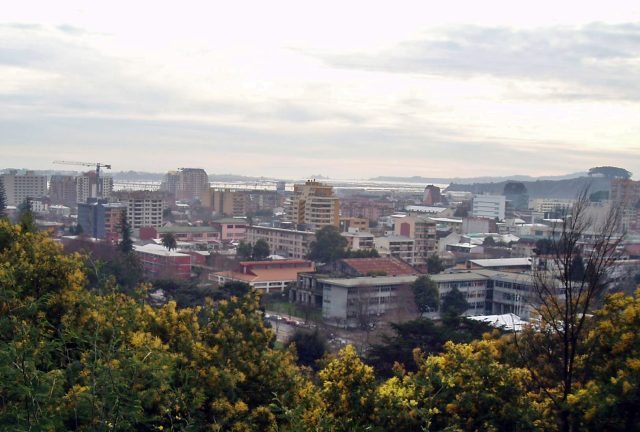
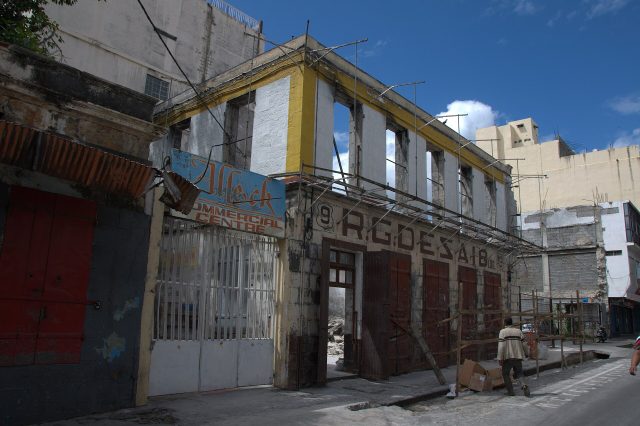
Triole sits on the northwest coast of Mauritius, a place where the island’s Indian heritage isn’t just preserved—it’s lived. Unlike the polished resorts and postcard-perfect beaches elsewhere, this town moves to its own rhythm, one shaped by history, trade, and the daily routines of its people. The streets are narrow, lined with houses painted in faded blues, pinks, and yellows, their colors softened by time. There are no grand promenades here, just the quiet hum of life: vendors arranging piles of spices, women bargaining over bolts of fabric, the occasional scooter weaving past a stray dog napping in the shade. Triole doesn’t perform for visitors; it simply exists, and that’s what makes it compelling.
At the heart of the town is the Maheswarnath Mandir, one of Mauritius’ most important Hindu temples, dedicated to the goddess Durga. Its towering gopuram, covered in intricate carvings and vibrant hues, dominates the skyline, a beacon for both worshippers and curious travelers. Inside, the air is thick with the scent of incense and the murmur of prayers. Just steps away, the market spills out in a riot of color and sound. Stalls overflow with lychees, bitter gourds, and bunches of curry leaves, while sacks of turmeric, cinnamon, and cardamom release their aromas into the warm air. This is where you’ll find the real flavors of Mauritius—not in hotel buffets, but in the hands of women frying gateaux piment or ladling out bowls of dholl puri, their recipes passed down through generations.
Triole’s story is inseparable from the waves of Indian laborers who arrived in the 19th century to work the island’s sugar plantations. Their legacy is everywhere: in the Bollywood tunes drifting from open windows, the saris drying on clotheslines, the way festivals here feel like a piece of the subcontinent transplanted to the Indian Ocean. The most striking of these is Maha Shivaratri, when thousands of devotees make the pilgrimage to the sacred lake of Grand Bassin. Some carry kavadi—elaborate, flower-covered structures balanced on their shoulders—as an act of penance, their bodies swaying to the beat of drums. The procession winds through the streets, a river of color and devotion, while the scent of camphor and jasmine lingers long after it passes.
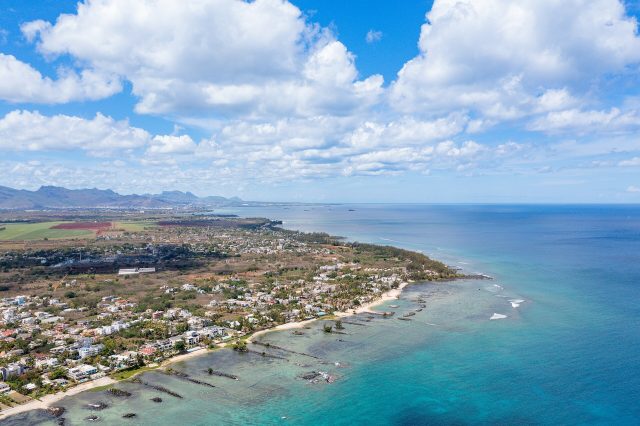
Beyond the town’s cultural pulse, the landscape softens into rolling fields of sugarcane, their green stalks bending in the breeze. At dusk, the light turns golden, casting long shadows across the fields, and for a moment, it’s easy to imagine the island as it once was. The coast is close, too, though the beaches here lack the turquoise perfection of the south. Instead, they offer something rarer: solitude. The water may be murkier, the sand less pristine, but there’s no one trying to sell you a jet ski or a coconut. Just the sound of waves and the occasional fisherman mending his nets.
What makes Triole special is its refusal to be anything other than itself. There are no glossy brochures here, no touts hawking "authentic" experiences. The locals are friendly but unobtrusive, happy to chat if you linger but never pushing. The pace is slow, the kind that forces you to notice things—the way a shopkeeper wraps your spices in old newspaper, the stray cat curled up on a sack of rice, the elderly man playing dominoes outside a corner store. It’s the kind of place where you might spend an afternoon doing nothing more than wandering, stopping for a cup of masala chai, and leaving with the sense that you’ve glimpsed something real. For those tired of the well-trodden path, Triole offers a different Mauritius: one that’s lived, not just visited.
See & Do
All of them
Places on the map
Marker colour follows the categoryClimate and weather
Detailed weather: Triole- Average temperature
- 22 °C
- Precipitation per year
- 1864 mm
- Sunshine hours per day
- 7.2 h
Average air temperature
°C
24
24
24
24
22
20
19
19
19
21
22
24
Jan
Feb
Mar
Apr
May
Jun
Jul
Aug
Sep
Oct
Nov
Dec