Colón Free Zone Market
Colón Free Zone Market is where Panama reveals itself without filters—no polished tourist veneer, just the raw energy of trade and the collision of cultures. This isn’t a shopping mall. It’s a sprawling maze of warehouses, storefronts, and street stalls covering several square kilometers.
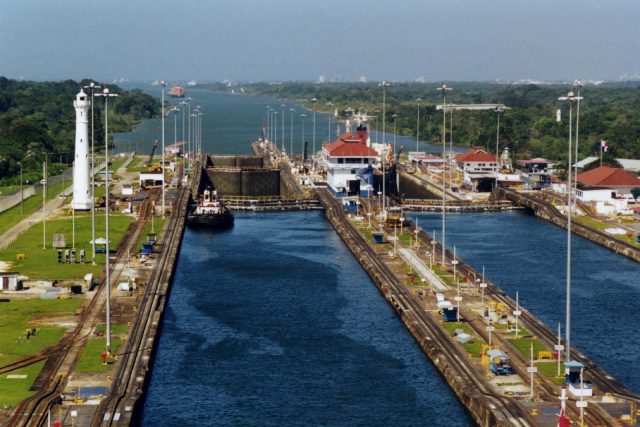
Electronics, perfumes, clothing, and appliances pass through the Panama Canal or come from neighboring countries. They funnel into one of the largest commercial hubs in the Western Hemisphere. The Colón Free Zone is where wholesale trade spills into retail, offering deals that draw buyers from across Latin America and beyond.
Why it exists
Colón has always been a crossroads. Goods from Europe, Asia, and the Americas converged here before moving onward. By the mid-20th century, the Panama Canal was operating at full capacity. Global trade was expanding. In 1948, Panama’s leaders established a free trade zone, offering tax breaks, streamlined customs, and a strategic location. What began as an economic experiment grew into a marketplace with thousands of companies—small family-run shops and outposts of multinationals alike.
What it looks like
The buildings are functional, designed for commerce. Narrow aisles wind between rows of stores. High ceilings and flickering fluorescent lights give the place an industrial feel. Signs in Spanish, Chinese, and Arabic compete for attention. Older concrete-and-glass structures stand as relics of the zone’s early days. Even in newer, air-conditioned complexes, haggling is expected. Deals are struck with enthusiasm. Negotiations stretch on as long as both parties are willing.
Visiting the market means stepping into the rhythm of international trade. Business owners from Latin America stock up for months ahead. Tourists hunt for bargains on electronics or designer goods. Locals browse for everyday items. Vendors switch between languages, but negotiation is universal. Prices are lower than in standard retail stores, but they’re not fixed. If you’re not prepared to haggle, ask upfront if prices are non-negotiable.
Colón is a city of contrasts. Here, you can find almost anything—from gadgets to rare spices. Yet endless rows of nearly identical shops can feel overwhelming. Vendors vie for your attention. The streets around the market buzz: food stalls sell quick bites, taxi drivers shout offers, and small eateries serve hearty meals. The noise and chaos are part of what makes it compelling.
For many Panamanians, the Colón Free Zone Market is a way of life. Families have worked here for generations, passing down trade skills. Some shops have been around for decades. Owners greet regular customers by name. The zone is also a place of constant change—new businesses emerge, others fade under competition. It’s a microcosm of globalization, where connections feel both vast and fragile, centered around the flow of goods and money.
How to visit
Arrive in the morning. It’s cooler and less crowded. Focus on what you want to buy. Without a plan, hours can slip away. Cash is king—many vendors don’t accept cards, and ATMs are scarce. Be prepared for sales pitches. Vendors will call out, offer discounts, or pull you into their shops. If you step inside, expect a conversation.
The Colón Free Zone Market isn’t instantly charming. It’s messy, loud, and sometimes exhausting. But that’s what makes it real. There’s no staged tourist charm, just the pulse of commerce. Cultures collide. Fortunes are made or lost daily. For some, it’s just another stop. For others, it’s an experience that lingers. Either way, it’s a glimpse into how the world works—one deal at a time.