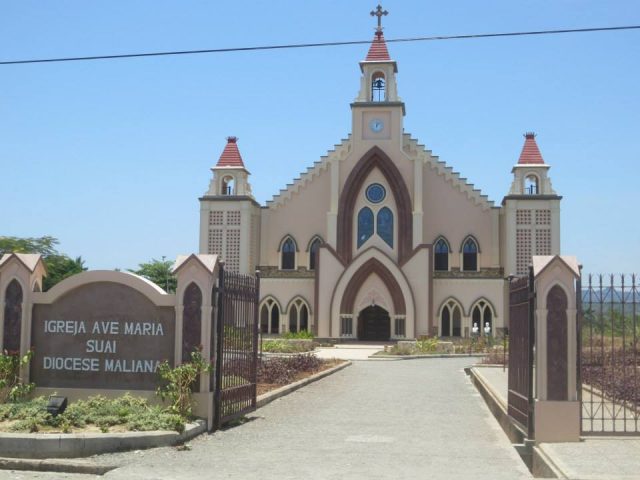
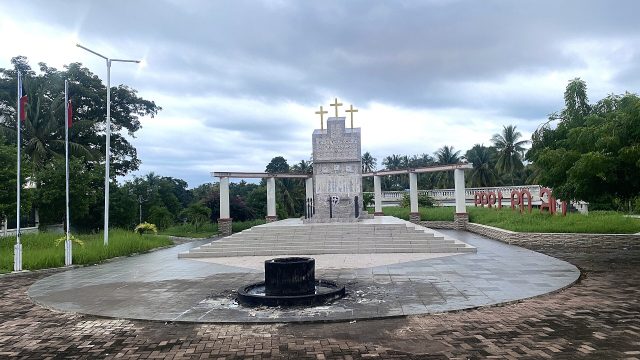
Suai is a coastal town on the southern edge of East Timor. The ocean sets the pace of life here, and the rhythm is slow. The town sits along a stretch of coastline where the land meets the sea without interruption from modern development.
At the heart of Suai, where roads from nearby villages converge, lies the local market. It’s where the culture, traditions, and daily life of Timorese people unfold. There are no pushy vendors or signs in English, just the exchange of goods, conversations in Tetum or Dawan, and the scents of fresh fish, spices, and smoked meat.
The market wakes up early, as the sun begins to warm the air. Women wrapped in traditional tais—woven cloths—arrange their wares on mats: vegetables, fruits, and homemade dishes. Men arrive with the morning’s catch, strapped to motorbikes or pulled in carts. The stalls are simple, with a few covered pavilions for shade or shelter from rain. Around them, open spaces display sweet potatoes, corn, handmade herbal remedies, woven baskets, and shell jewelry. Everything here is crafted in nearby villages.
Suai has seen its share of history. Once a key port under Portuguese rule, it shipped sandalwood and coffee. Later, during the Indonesian occupation, the town bore witness to hardship, though locals rarely speak of those times. The market, however, has always been a place apart—where people gathered to trade, connect, and share news. Even in the most difficult years, it never closed.
Today, the market offers a glimpse into everyday life in East Timor. Women cook national dishes like ikan saboko, fish wrapped in banana leaves and roasted over an open fire, or batukar, a sweet coconut rice dessert. Stalls overflow with tropical fruits—jackfruit, rambutan, mangosteen. Occasionally, the sound of a sarong, a traditional stringed instrument, drifts through the air.
It’s a social hub. Neighbors stop to chat, children dart between stalls, and elders sit on benches. There’s an unspoken order where everyone knows their place. No one rushes.
For those who come to Suai, the market is often the first introduction to Timorese life beyond Dili. It shows the country as it is: not polished for tourists, but raw and honest. You see the hard work, the simple meals, the way people lean on one another.
Suai isn’t a place for mass tourism. There are no luxury hotels or multilingual menus. That’s why the market remains unfiltered. If you find yourself here, watch. Taste the food. Talk to the people. In this small corner of the world, you might feel the spirit of East Timor more deeply than elsewhere.