Suai is one of those rare places where the ocean meets the land without fanfare, where the rhythm of life hasn’t been altered to fit the expectations of visitors. Tucked away on the southern coast of East Timor, this small town feels like a world apart from the glossy brochures and crowded resorts that define so many tropical destinations. The beach here stretches out in a quiet curve, its sand soft and pale, though not the blinding white of postcard-perfect shores. The Indian Ocean rolls in with a steady, unhurried rhythm, its waves warm but never stifling, carrying with them the faintest scent of salt and distant horizons.
There’s nothing staged about this coastline. No manicured palm trees, no rows of beach umbrellas, no vendors pushing souvenirs or jet ski rentals. Instead, the shore is shaped by nature’s own design—mangroves with their tangled roots clinging to the water’s edge, their branches forming a natural barrier between land and sea. At low tide, the exposed mudflats reveal the tracks of crabs and, if you’re lucky, the delicate imprints of sea turtles that come ashore to nest. Early mornings belong to the fishermen, who push their narrow wooden boats into the surf before dawn, returning by midday with their catch. The day’s haul is sold at a modest market near the jetty, where the air is thick with the smell of fish and the sound of bargaining voices.
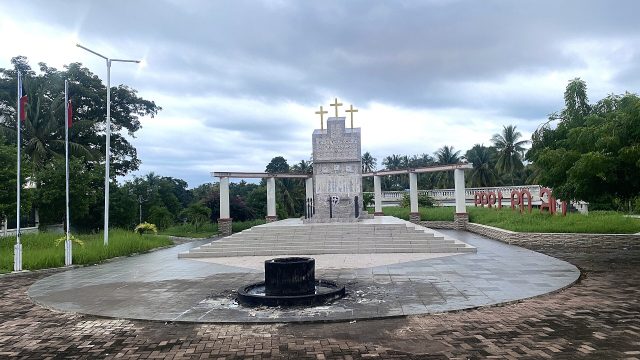
Suai hasn’t always been this quiet. During Portuguese colonial rule, the town served as a key trading post, funneling goods from the island’s interior to ships bound for distant ports. Later, in the turbulent years leading up to East Timor’s independence, Suai found itself at the heart of the struggle. The violence that erupted in 1999 left deep scars, with entire communities caught in the crossfire. Today, the town carries that history quietly—memorials stand as solemn reminders, and the older residents still speak of those days in hushed tones. But life has moved on, even if the weight of the past lingers in the way people pause when the subject comes up.
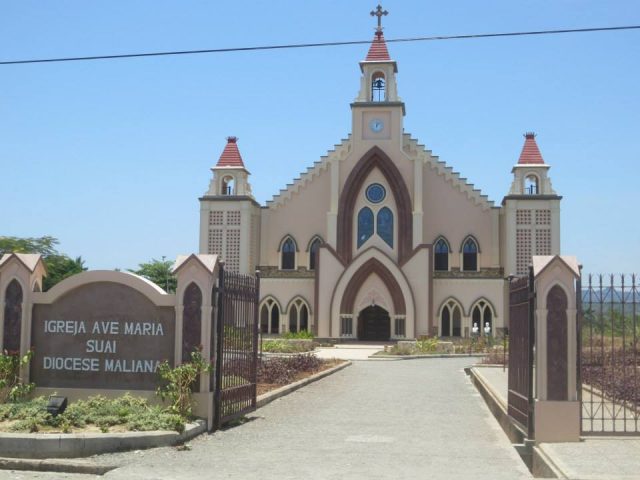
The architecture here is unpretentious, built for function rather than beauty. Most homes are made of wood and concrete, their corrugated iron roofs gleaming under the relentless sun. In the town center, a few colonial-era buildings remain, their thick walls and high windows designed to keep out the heat. The most striking of these is the Portuguese church, its white facade and simple spire visible from almost anywhere in town. Inside, the scent of old wood and candle wax hangs in the air, and on Sundays, the sound of hymns spills out into the streets, mingling with the tolling of the church bell.
Daily life in Suai unfolds at its own pace. Mornings begin with the crowing of roosters and the smell of grilling fish drifting through the air. Women in brightly colored sarongs balance baskets of fruit on their heads as they make their way to the market, while children play along the shore, building sandcastles or chasing the waves. The jetty is the town’s liveliest spot, where fishermen mend their nets and argue over the day’s best catch. By evening, the beach becomes a gathering place—locals sit around small fires, sharing stories and music as the sun dips below the horizon.
This isn’t a place for those seeking luxury or entertainment. There are no high-end restaurants, no spas, no nightclubs with throbbing music. Instead, Suai offers something far rarer: the chance to step outside of time. The only sounds are the crash of waves, the cry of seabirds, and the occasional laughter of children playing nearby. You could spend hours sitting on the sand, watching the ocean stretch endlessly before you, and not realize how much time has passed. Every now and then, a fishing boat or a distant sail appears on the horizon, and for a moment, it feels like you’ve stumbled upon the edge of the world, where modernity hasn’t yet left its mark.
For those who want to stay awhile, there are a handful of guesthouses, simple but welcoming, with rooms that look out over the water. The owners are often happy to share tips—where to find the freshest fish, how to catch a ride to a nearby village, or which path leads to the best sunset views. The food is straightforward but delicious: rice, grilled seafood, vegetables grown in nearby gardens. At the small café by the jetty, you can order strong coffee and sweet coconut-filled pastries, the kind that pair perfectly with the quiet hum of morning conversation.
Suai isn’t the kind of place that makes it into travel guides. There are no famous landmarks, no grand attractions, no carefully curated experiences. And that’s precisely why it feels so special. It’s a town that exists on its own terms, where life moves to the rhythm of the tides rather than the demands of tourism. Here, you can slow down in a way that’s increasingly hard to find—where the ocean washes away the noise of the outside world, and the night sky feels close enough to touch. If you ever find yourself in southern East Timor, take the time to visit Suai. It’s one of the last places where you can still feel the quiet pulse of a world that hasn’t been hurried along.