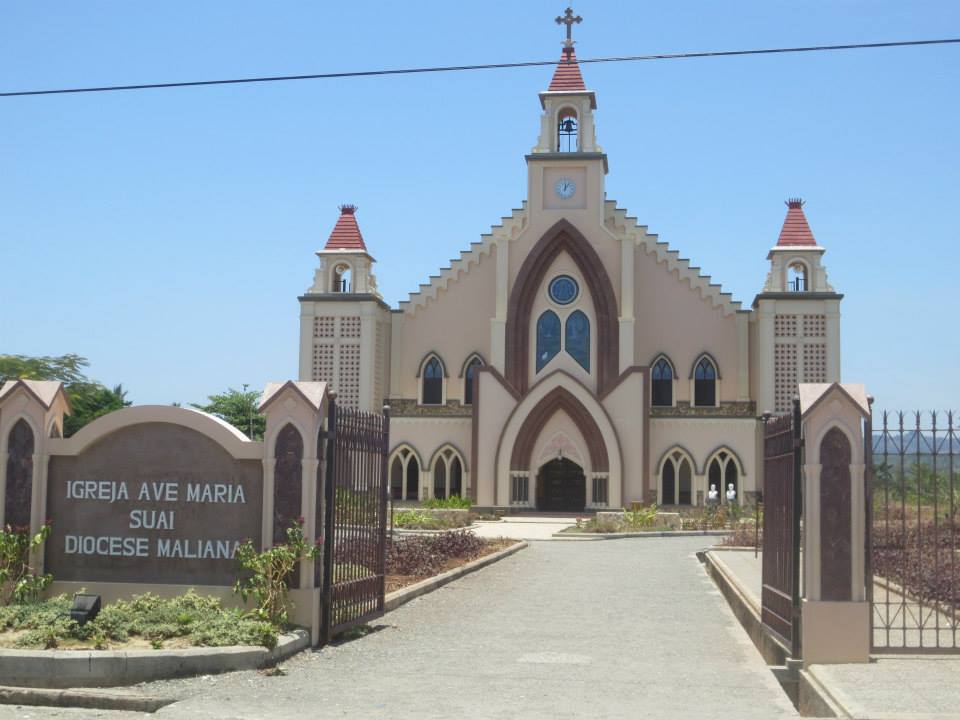
Ave Maria Church in Suai is the kind of place that doesn’t demand attention but lingers in the mind long after you’ve left. Perched on a gentle hill overlooking the town, it serves as both a spiritual anchor and a quiet landmark for those who live here. In East Timor, where Catholicism is woven into the fabric of daily life, churches like this one often stand as symbols of resilience and quiet hope. Ave Maria is no different—it doesn’t shout its presence, but it holds a steady, unassuming significance.
Suai itself is a world away from the bustle of the capital. Life here moves at a slower pace, shaped by the rhythms of the ocean and the close-knit community that calls this southern coastal town home. The church was built during a time when East Timor was still finding its footing after years of conflict. Its construction was part of a broader effort to rebuild not just roads and homes, but also the sense of belonging and faith that had been shaken. The architecture is simple, almost austere, but that’s where its strength lies. There’s no grandiosity, just a quiet solidity—a place that exists not to impress, but to endure.
From the outside, the church is unassuming: whitewashed walls, a modest portico, a cross rising from the roof. Inside, the space is just as restrained. A few icons, some stained glass, wooden pews, and an altar—nothing elaborate, but the simplicity feels deliberate. It’s a place where people come not just for Mass, but to sit in silence, to reflect, or to find a moment of peace. In a country where many still carry the weight of recent history, such spaces offer a refuge from the noise of the world.
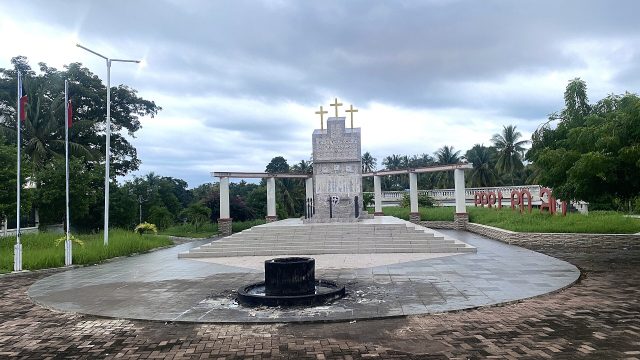
Ave Maria Church is deeply tied to Suai’s past. The town, like much of East Timor, bore the scars of violence in the late 1990s, and the years that followed independence in 2002 were a time of slow, painful healing. The church became one of the symbols of that recovery, a reminder that even after the darkest chapters, life continues. It doesn’t memorialize the past in an obvious way, but its very presence speaks to the resilience of the people who rebuilt their lives around it.
For travelers who make the rare journey to Suai, the church might seem like just another small-town place of worship. But if you take the time to look, you’ll notice how it fits into the landscape—the rolling hills, the distant ocean, the unhurried pace of life. It doesn’t try to be a tourist attraction, and that’s precisely why visiting it feels more personal. There are no crowds, no guided tours, just the quiet hum of a place that exists for those who need it.
Religion plays a central role in East Timorese life, and Ave Maria Church is a reflection of that. It’s where people gather not just for Sunday services, but for baptisms, weddings, and funerals. For many families, the church is a thread in their own stories, a place where milestones are marked. It’s not just a building; it’s a living part of the community, shaped by the people who pass through its doors.
Suai isn’t a place that draws tourists in droves. There are no grand hotels, no bustling markets, no famous landmarks. But that’s what makes it special. The town has a quiet authenticity, and the church is very much a part of that. It doesn’t ask for admiration; it simply offers a moment of stillness, a chance to step out of time and feel the pulse of a place where life moves at its own rhythm.
If you ever find yourself in Suai, it’s worth making the short climb up the hill to the church. Not to tick it off a list, but to stand inside, listen to the silence, and understand why this place matters so much to those who call it home. In a world that often values spectacle over substance, places like Ave Maria remind us that sometimes the most meaningful experiences are found not in grandeur, but in the quiet spaces in between.