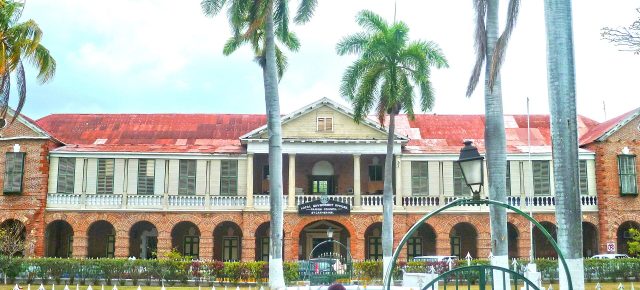
Spanish Town is the kind of place most travelers skip, rushing toward the beaches of Montego Bay or Kingston. But step off the usual path, and you’ll find the island’s rhythm in its most unfiltered form. The Spanish Town Market isn’t just where people buy goods—it’s where Jamaica’s colonial past and present collide daily.
The market sits in the town’s center, surrounded by low-slung buildings with peeling paint and wooden shutters. These structures were once the capital of Spanish Jamaica, later ruled by the British. Cobblestone streets and old lampposts bear the weight of history: sugar plantations, Maroon rebellions, and the generations who traded here. Enslaved Africans, indentured Indian laborers, and European settlers once bartered in this same spot. Today, their descendants sell, haggle, and talk.
Mornings start before dawn. Farmers from the hills, fishermen from the coast, and vendors from Kingston arrive with green bananas, yams, breadfruit, and scotch bonnet peppers. Stalls spill over with dried fish, spices, and medicinal herbs. There’s no supermarket precision—just the raw abundance of an island where food is necessity and celebration.
Spices define the market. Jamaica is known for its peppers, but here you’ll also find allspice—called pimento—and ginger from the Blue Mountains. Vendors, often women in bright headscarves, explain how to use each ingredient. Their voices mix with shouts, laughter, and the clatter of carts over stones. Time moves differently here. Every transaction is part of a larger conversation.
Beyond food, the market showcases Jamaican craftsmanship. Baskets are made from reeds, masks carved from mahogany, and jewelry strung from seeds and shells. Artisans work in front of you, turning wood into figurines or reeds into hats. These aren’t souvenirs. They’re pieces of a culture that values skill and storytelling.
The people make the market special.
Elders debate the news on benches. Young couples pick out dinner. Children dart through the crowd. English, Patois, and fragments of Spanish fill the air. Boundaries dissolve here. There’s no pretense, no performance—just the rhythm of a community that knows itself.
By midday, the market buzzes under the sun. Vendors sell coconut water, sugarcane juice, and ginger beer. Open-air cookshops serve ackee and saltfish, jerk chicken, or fried breadfruit fritters. The food is simple. The flavors aren’t. Eating here means sitting on a wooden bench, watching the market’s flow, feeling the heat and energy.
As evening comes, the market slows. Vendors pack up, count earnings, and prepare for tomorrow. Those who linger head to nearby bars or gather on the steps of old buildings. The light softens, casting shadows over cobblestones. Dust from the day’s activity hangs in the air.
The Spanish Town Market isn’t a place to shop. It’s where you see the real Jamaica—no resorts, no guided tours. No gimmicks, no pressure. Just daily life, where every scent, sound, and interaction tells a story. Leave with a bag of fruit or a handmade basket, and you might take something else too: the warmth, the resilience, the sense of belonging.