Niterói’s Mercado São Pedro is the kind of place where the city reveals itself without pretense—no polished tourist veneer, just the raw, unfiltered rhythm of daily life. Unlike the bustling markets of Rio de Janeiro, where visitors flock for souvenirs and exotic trinkets, this one feels grounded in something real. It’s a market for locals, a snapshot of how people live in this coastal city across the Guanabara Bay from Rio, where the pace is slower and the connections are deeper.
The market’s roots stretch back to the mid-20th century, when Niterói was still its own world, not yet swallowed by the sprawl of the greater metropolis. Back then, markets weren’t just places to buy and sell—they were social hubs where neighbors caught up on gossip, deals were struck over cups of coffee, and the day’s news spread faster than any newspaper. Mercado São Pedro still carries that legacy, though in a quieter, more modest form. It’s no longer the sprawling bazaar it was in the 1960s, but it remains a vital part of the city’s fabric, especially for those who value authenticity over spectacle.
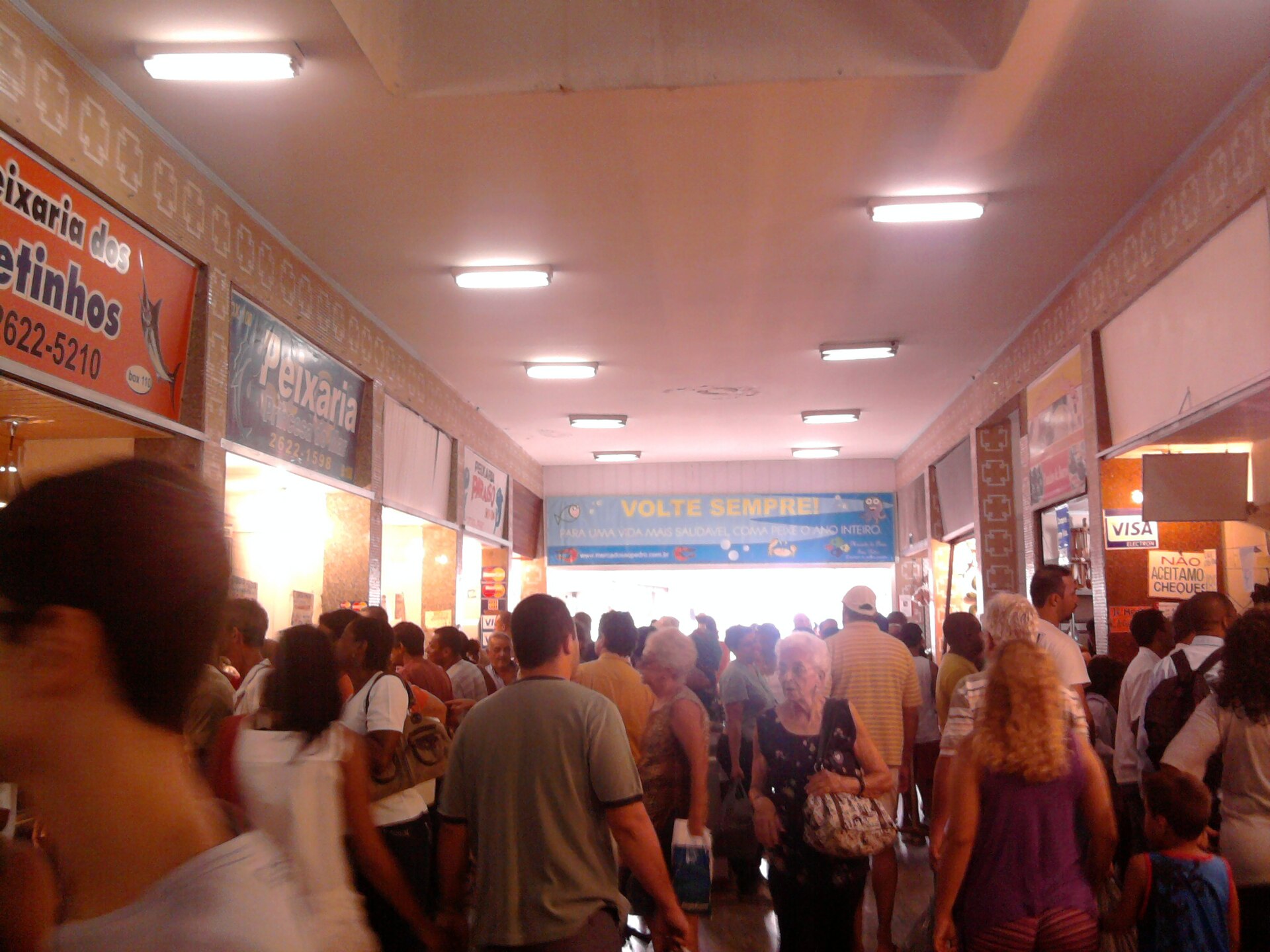
The architecture is unassuming: long rows of stalls under corrugated roofs, walls painted in muted tones, narrow aisles where two people barely have room to pass. Inside, the air is thick with the scent of spices, fresh fish, sizzling meat, and strong coffee. There are no sleek displays or designer touches—just functionality, everything arranged for one purpose: commerce. And yet, that simplicity is what makes it special. The market doesn’t try to impress; it just exists, and in that honesty, there’s a quiet charm.
Food is the heart of Mercado São Pedro. Fishermen from nearby villages arrive at dawn with their catch—sea bass, sardines, shrimp, sometimes even octopus. The meat stalls offer everything from beef to more unusual cuts, like *caipira*, the wild game still popular in some parts of Brazil. The produce is vibrant and often unfamiliar: *caju* (cashew fruit), *cupuaçu* (a tropical relative of cacao), *graviola* (soursop). Vendors encourage you to taste before buying, especially if they sense hesitation. It’s not about upselling; it’s about sharing what they have, the way people have done here for generations.
But the market isn’t just about food. Tucked away in the corners, you’ll find stalls selling handmade crafts—woven baskets, pottery, shell jewelry. There are practical items too, the kind of everyday goods you’d find in any Brazilian home: brooms, plastic basins, cheap kitchen tools. Occasionally, something unexpected turns up—old vinyl records, yellowed postcards of Niterói from decades past, tools that look like they’ve been passed down through generations. These little details make the market feel less like a shopping destination and more like a living archive of the city’s daily life.
The best time to visit is early morning, when the market is just waking up. The crowds are thinner, but the energy is already building: fishermen unloading their haul, vendors arranging their goods, the first sizzle of meat grilling in the back. By midday, the atmosphere shifts. Housewives stop by for ingredients, workers grab a quick bite, and the aroma of fresh coffee draws in passersby. By evening, the market starts to wind down, though you might still find a few lingering over a final cup of coffee or a slice of *bolo de aipim* (cassava cake).
For visitors, Mercado São Pedro offers a glimpse of Brazil without the gloss. There are no glamorous beaches or high-end boutiques here—just the things that make up the backbone of most Brazilians’ lives: simple food, unhurried conversations, a sense of community. It’s the kind of place where you can try *acarajé* (deep-fried black-eyed pea fritters) cooked right in front of you or sip strong coffee with a piece of coconut. The food isn’t fancy, but it’s real, made with the kind of care that comes from doing something the same way for years.
Niterói itself often gets overlooked in favor of its flashier neighbor, Rio de Janeiro, but it’s a city with its own story. Founded by the Portuguese in the 16th century, it even served as the capital of Rio de Janeiro state in the 19th century. Today, it’s a quieter, more laid-back place, where life moves at its own pace and traditions hold strong. Mercado São Pedro is a part of that rhythm. It doesn’t try to be trendy or cater to tourists. It just is—and that’s what makes it worth experiencing.
If you find yourself in Niterói, don’t rush straight to the beach or the museums. Take a detour to Mercado São Pedro. Wander the aisles, listen to the chatter, taste the food. Maybe here, more than anywhere else, you’ll get a sense of the Brazil that exists beyond the postcards—the one that lives and breathes every day, without fanfare or fuss.