Pasar Baru is one of those places in Jakarta that feels like it has always been here, not just in the physical sense but in the way it hums with life, unchanged by the decades rushing past. Tucked away in the heart of the city, it’s a market that has outlasted trends, economic shifts, and even the relentless march of modern shopping malls. For over a century, it has been a fixture in the daily rhythm of Jakarta, a place where the past and present coexist in the clatter of footsteps on tiled floors, the scent of spices mingling with fabric softener, and the low murmur of bargaining that has echoed through its halls since the Dutch colonial era.
The market’s origins trace back to 1820, when it was established as a modest trading post under Dutch rule. Back then, Jakarta—known as Batavia—was a city of canals and colonial architecture, and Pasar Baru was one of the first covered markets in the region, designed to bring order to the chaotic street trading that had defined commerce for centuries. The Dutch built it with a practical eye, using sturdy brick and iron to create a space that could withstand the tropical climate while keeping goods dry during the monsoon season. Over time, the market expanded, its narrow corridors filling with stalls selling everything from imported textiles to local produce. By the early 20th century, it had become a symbol of the city’s growing cosmopolitanism, a place where Chinese, Arab, Indian, and European traders rubbed shoulders with Javanese merchants, each bringing their own goods, languages, and customs.
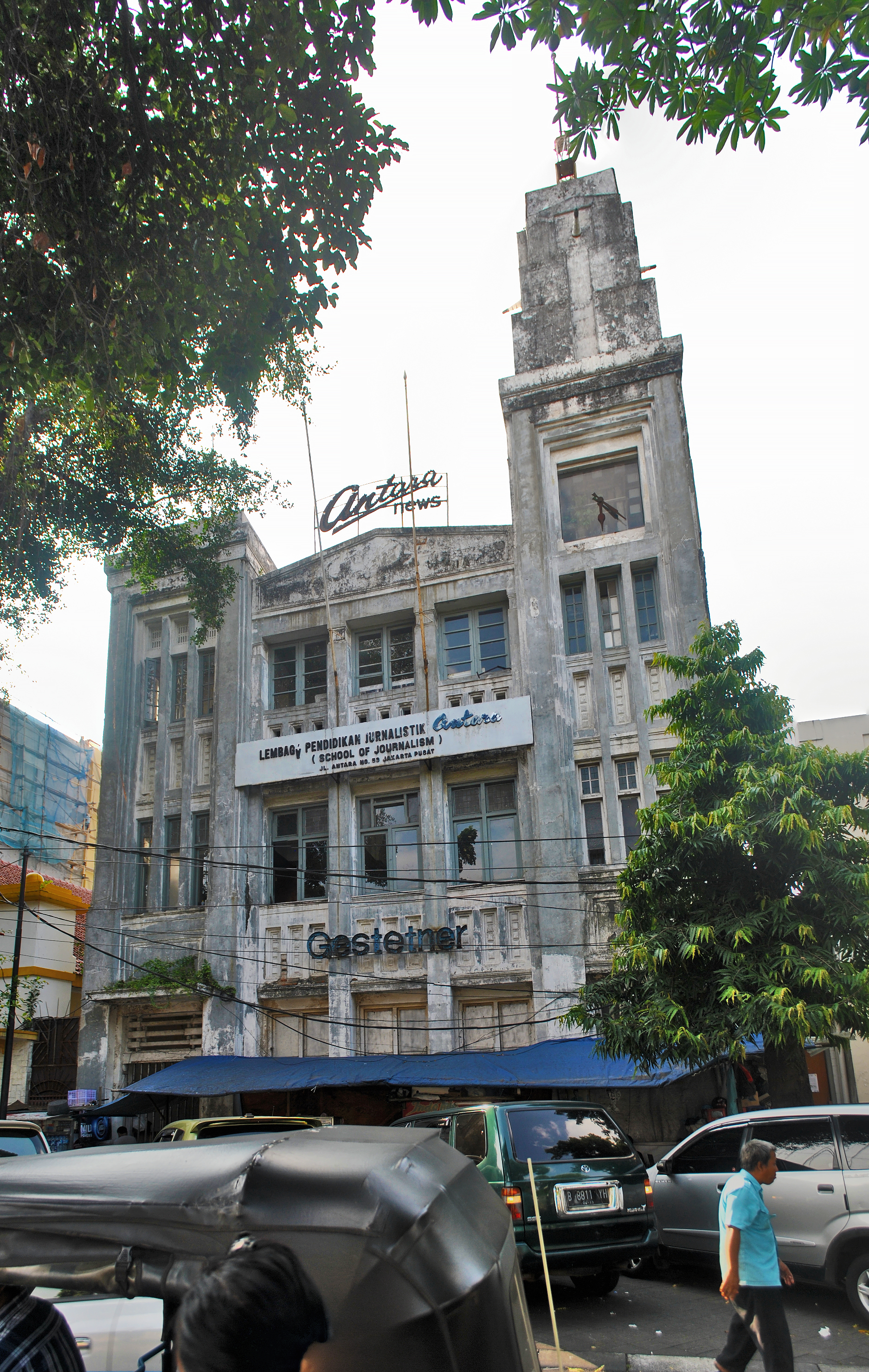
Walking through Pasar Baru today is like stepping into a living museum of Jakarta’s commercial history. The architecture still bears the marks of its colonial past, with high ceilings, arched doorways, and a labyrinth of narrow alleys that force you to slow down and take in the details. The original structure has been patched and repaired over the years, but the bones of the place remain the same—thick walls that keep the interior cool, wooden beams that have darkened with age, and a sense of permanence that modern buildings often lack. The market has survived fires, floods, and economic crises, each time rebuilding itself without losing its character. Even the way it’s laid out feels deliberate, with sections dedicated to specific goods, as if the market itself has organized its chaos over generations.
What makes Pasar Baru special isn’t just its age or its architecture, but the way it functions as a microcosm of Jakarta’s diversity. Here, you’ll find stalls selling batik fabrics in every conceivable pattern, their vibrant colors stacked in neat bolts or draped over mannequins. Nearby, tailors sit at old sewing machines, their hands moving with practiced ease as they measure, cut, and stitch custom clothing while customers wait. The scent of freshly ground coffee drifts from a corner stall where beans from Sumatra and Java are roasted on the spot, the rich aroma mixing with the sharper tang of dried chilies and the earthy smell of spices piled high in sacks. There are shops selling traditional herbal remedies, their shelves lined with jars of roots, barks, and powders, each with its own whispered reputation for healing. And then there are the food stalls, where the air is thick with the smell of frying oil and sweet soy sauce, serving up dishes that have been passed down through generations—soto betawi, nasi uduk, and kue lapis that melt on the tongue.
The market isn’t just a place to shop; it’s a place where Jakarta’s social fabric is woven daily. Families come here to buy school uniforms, brides-to-be hunt for the perfect fabric for their wedding dresses, and students browse for secondhand books or cheap stationery. The vendors, many of whom have worked here for decades, know their regulars by name and often by their preferences—what kind of batik they like, how spicy they want their sambal, or which tailor makes the best-fitting shirts. There’s a rhythm to the place, a give-and-take that feels almost choreographed. Bargaining is expected, but it’s done with a smile, a dance of words and gestures that can stretch over several minutes before both parties settle on a price. It’s not just about the transaction; it’s about the interaction, the small talk, the shared understanding that this is how things have always been done.
Pasar Baru has also been a witness to Jakarta’s political and social changes. During the struggle for independence in the 1940s, the market was a gathering place for nationalists, its stalls doubling as meeting points where ideas were exchanged along with goods. In the decades that followed, it became a barometer of the city’s economic fortunes, thriving in times of prosperity and weathering downturns with a resilience that spoke to its importance in the lives of ordinary Jakartans. Even today, as the city sprawls outward and new commercial hubs rise, Pasar Baru remains a constant, a place that refuses to be forgotten. It’s not the kind of market that gets featured in glossy travel brochures, with its slightly worn edges and lack of air conditioning, but that’s precisely what makes it authentic. There are no pretenses here, no attempt to sanitize the experience for tourists. It’s raw, it’s real, and it’s unapologetically itself.
For visitors, Pasar Baru offers a glimpse into a side of Jakarta that often gets overlooked. It’s not the sleek, modern metropolis of skyscrapers and shopping malls, nor is it the carefully curated historical sites that dot the city. Instead, it’s the Jakarta of everyday life, where the city’s history is not just preserved in museums but lived out in the daily routines of its people. The market is at its busiest in the mornings, when the light is soft and the air is still relatively cool. By midday, the heat and humidity can make the narrow corridors feel stifling, but that’s also when the market takes on a different kind of energy, as vendors fan themselves with pieces of cardboard and customers pause for a quick meal at one of the food stalls. In the late afternoon, the pace slows, and the market begins to empty out, leaving behind the quiet rustle of brooms sweeping the floors and the occasional clatter of a shutter being pulled down for the night.
There’s something almost poetic about the way Pasar Baru endures. In a city that is constantly reinventing itself, where old buildings are torn down to make way for the new, the market stands as a reminder of what Jakarta once was—and, in many ways, still is. It’s a place where the past isn’t just remembered; it’s still being made, one transaction, one conversation, one shared meal at a time. For those willing to wander its aisles, it offers more than just goods to buy. It offers a connection to the city’s soul, a chance to see Jakarta not as a visitor might, from the window of a taxi or the balcony of a hotel, but as the people who call it home do—messy, vibrant, and full of stories waiting to be discovered.