Standing tall in the heart of Jakarta, the National Monument—known locally as Monas—is more than just a landmark. It’s a symbol of Indonesia’s journey, a towering reminder of the struggles and triumphs that shaped the nation. From afar, its gleaming golden flame catches the eye, drawing visitors and locals alike to the vast expanse of Merdeka Square. For many Indonesians, this isn’t just a monument; it’s a place woven into the fabric of daily life, where history and modernity coexist.
The idea for Monas took root in the early 1960s under President Sukarno, who envisioned a grand tribute to Indonesia’s fight for independence. The design, crafted by architect Frederich Silaban, blended national pride with universal architectural ideals. Construction stretched over years, reflecting the ambition of the project. When it finally opened in 1975, it stood not just as a memorial to the past but as a living part of the city’s identity.
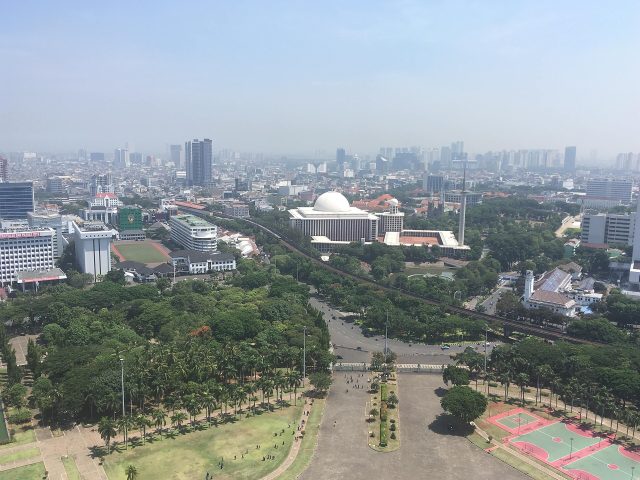
At 132 meters, the monument is an imposing sight. Its marble base gives way to a bronze-coated obelisk, crowned by a flame gilded in gold—a symbol of the enduring spirit of resistance and hope. Inside, an elevator lifts visitors to an observation deck nearly 115 meters up, where Jakarta unfolds in all its chaotic beauty. From this height, the city’s contrasts are on full display: sleek skyscrapers rise beside traditional neighborhoods, while parks and bustling streets create a patchwork of urban life.
Beneath the monument lies a museum dedicated to Indonesia’s independence struggle. The exhibits trace the country’s turbulent 20th century, from Japanese occupation to the war against Dutch colonial rule. But this isn’t a dry recitation of facts. Through photographs, documents, and personal accounts, the museum brings history to life, offering a glimpse into the experiences of those who fought for freedom. For many Indonesians, a visit here is a pilgrimage, a chance to connect with the roots of their nation.
Merdeka Square, where Monas stands, is Jakarta’s beating heart. On special occasions, it hosts national ceremonies and parades, but on ordinary days, it transforms into a public gathering space. Families picnic on the grass, children ride bicycles, and groups of friends linger under the shade of trees. As evening falls, the monument is bathed in light, its golden flame glowing against the night sky. The square feels alive, a place where the city’s energy is palpable.
The design of Monas wasn’t created in isolation. Sukarno, a passionate admirer of monumental architecture, drew inspiration from global landmarks like the Washington Monument and ancient Egyptian obelisks. Yet the result is distinctly Indonesian. The golden flame, for instance, isn’t just a nod to struggle—it also represents the country’s cultural richness and natural wealth. The monument manages to feel both universal and deeply local, a reflection of Indonesia’s place in the world.
Visiting Monas is about more than just the view. The area around the monument is always bustling. Tourists pose for photos, street vendors sell snacks, and musicians play traditional tunes. On weekends, the square buzzes with activity—artists sketch portraits, food stalls offer local delicacies, and the air hums with conversation. Despite its official status, the atmosphere is relaxed, a mix of reverence and everyday life.
For Indonesians, Monas holds a significance that extends beyond Jakarta. It’s a symbol of national unity, a reminder of the country’s diversity and resilience. School groups visit on field trips, national ceremonies are held here, and travelers seek it out as one of Indonesia’s most recognizable icons. Yet it never feels distant or untouchable. The monument is part of the city’s rhythm, evolving alongside it.
If you find yourself in Jakarta, take the time to visit—not just for the photos, but to stand in the square and watch the city move around you. Here, the past and present intertwine in a way that’s uniquely Indonesian. Monas won’t tell you the whole story, but it will give you a sense of why that story matters to those who call this place home.