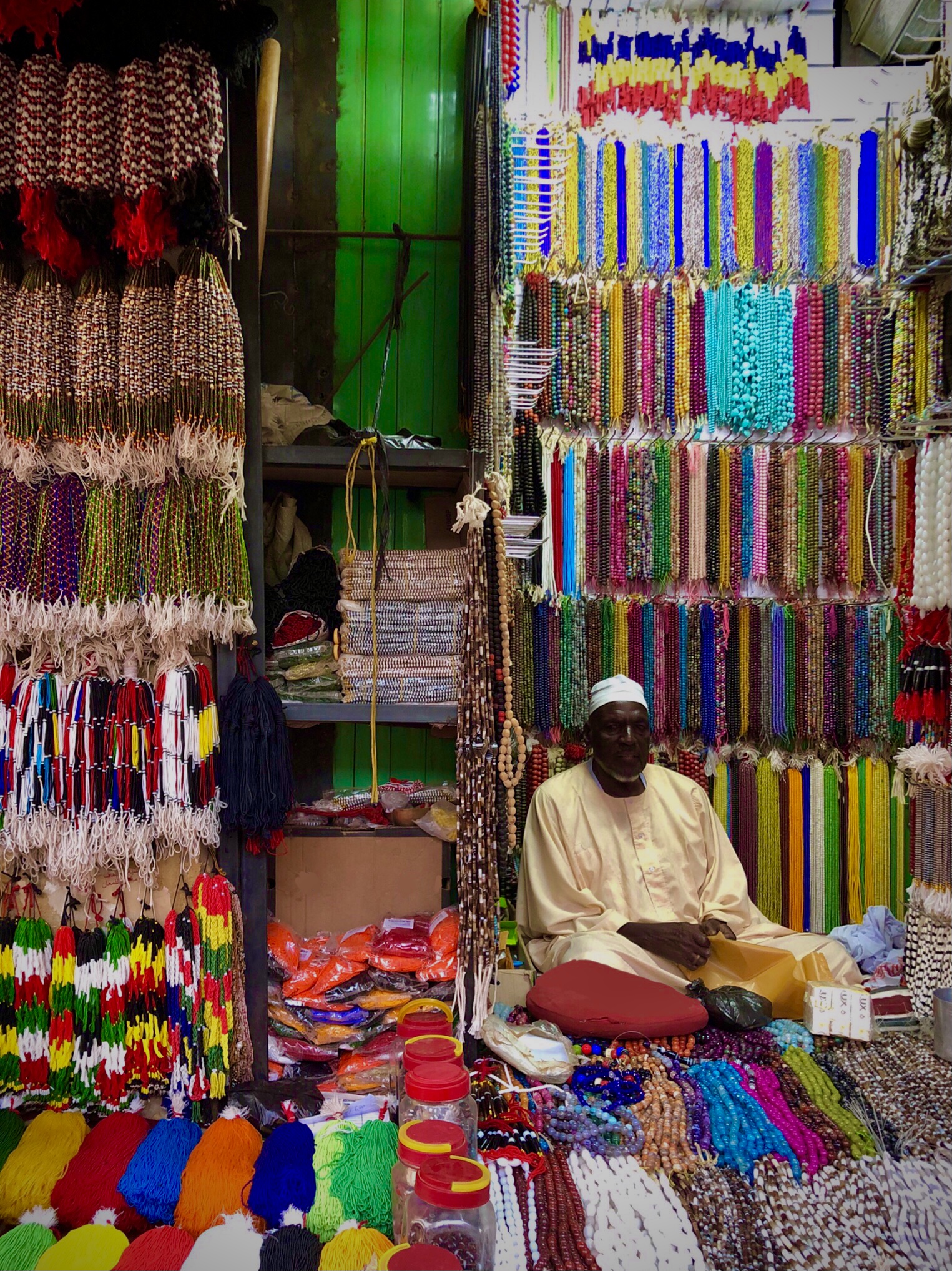
Omdurman Market is one of those places where the pulse of Sudan beats strongest. It sprawls across the heart of Omdurman, Khartoum’s sister city on the western bank of the Nile, a labyrinth of narrow alleys and open-air stalls that have been trading for generations. Unlike the polished souks of North Africa or the tourist-friendly bazaars of the Middle East, this market feels unfiltered—raw, chaotic, and deeply local. It’s not a place you visit for Instagram shots or curated experiences; it’s where life in Sudan unfolds in its most unvarnished form.
The market’s origins trace back to the late 19th century, when Omdurman was the capital of the Mahdist state, a short-lived but fiercely independent Islamic polity that resisted British colonial rule. After the fall of the Mahdiyya in 1898, the city retained its rebellious spirit, and the market became a hub for trade, politics, and culture. Today, it’s one of the largest open-air markets in Africa, a place where the past and present collide. The architecture is a patchwork of styles—mud-brick stalls with corrugated iron roofs, concrete structures with peeling paint, and the occasional modern shopfront trying to stand out. There’s no grand design here, just the organic growth of a place that has adapted to the needs of its people.
Walking through Omdurman Market is an assault on the senses. The air is thick with the scent of spices—cumin, coriander, dried hibiscus, and the sharp tang of berbere—piled high in sacks or spread out on mats. Vendors shout over the din, their voices blending with the clatter of metal trays, the bleating of goats, and the occasional honk of a motorbike weaving through the crowd. The market is divided into sections, each with its own rhythm. Near the entrance, you’ll find the fruit and vegetable sellers, their produce arranged in vibrant pyramids: mangoes, guavas, tomatoes, and the knobby green gourds used in Sudanese stews. Further in, the butchers’ stalls hang with cuts of meat, flies buzzing around in the heat, while nearby, women in colorful tobes haggle over the price of okra or dried fish.
One of the market’s most distinctive features is its role as a center for traditional Sudanese crafts. Here, you can find everything from handwoven baskets and leather sandals to intricately embroidered dresses and silver jewelry. The metalworkers’ section is particularly fascinating, where artisans hammer out brass trays, teapots, and the iconic Sudanese coffee pots known as jebenas. These items aren’t just souvenirs; they’re part of daily life, used in homes across the country. The market is also a place where old skills are passed down. Young apprentices sit beside master craftsmen, learning the techniques that have been perfected over centuries. It’s a rare glimpse into a world where globalization hasn’t yet erased local traditions.
Beyond commerce, Omdurman Market is a social space. It’s where people come not just to buy and sell, but to meet, gossip, and debate. In the shade of a stall or at one of the tiny tea stands, men gather to sip sweet, spiced tea and discuss politics, football, or the latest news from the neighborhood. Women, often in groups, move through the market with practiced ease, their baskets filled with the day’s necessities. The market is also a place of resilience. During times of economic hardship or political upheaval, it has remained a lifeline for many, a place where people can still find work, trade goods, and support their families.
The market’s relationship with the Nile is impossible to ignore. Omdurman sits on the river’s western bank, and the market’s location has always been tied to the water. Before the construction of modern bridges, ferries carried goods and people across the Nile, and the market thrived as a transit point. Even today, the river shapes the rhythm of life here. In the early morning, fishermen bring their catch to sell, while in the evening, the market’s edges come alive as people gather to watch the sunset over the water. The Nile isn’t just a backdrop; it’s a part of the market’s identity, a reminder of the natural forces that have shaped Sudan for millennia.
For outsiders, Omdurman Market can feel overwhelming. The crowds, the noise, the sheer intensity of it all can be exhausting. But those who take the time to wander its alleys will find something far more rewarding than a typical tourist experience. This is a place where Sudan’s history, culture, and daily life intersect in a way that’s impossible to replicate elsewhere. It’s not always comfortable, and it’s certainly not sanitized for visitors, but that’s precisely what makes it special. The market doesn’t exist for tourists; it exists for the people who rely on it, and that authenticity is what draws those who are willing to look beyond the surface.
If you do visit, go with an open mind and a willingness to engage. Don’t expect English to be widely spoken, and be prepared to navigate the market’s unwritten rules. Bargaining is expected, but it’s done with a smile and a sense of humor. Try the street food—ful medames, kisra with shaiyah, or a cup of strong Sudanese coffee—and don’t be afraid to ask questions. The vendors are often curious about visitors and happy to share stories, even if communication is limited. Most importantly, remember that this isn’t a museum or a theme park. It’s a living, breathing place, and its value lies in its ability to show Sudan as it truly is—messy, vibrant, and full of life.