The National Museum of Sudan in Khartoum holds history that isn’t locked behind glass. You walk through halls where millennia unfold—from the kingdoms of Nubia to modern Sudan. The past isn’t distant here.
The museum opened in the mid-20th century as Sudan gained independence. It wasn’t just built to store relics. It was meant to tell the story of a nation shaped by the Nile, trade routes, conquests, and faiths. Over time, its collections grew, pulling artifacts from archaeological sites across Sudan—from the riverbanks to the desert edges. The most notable pieces come from Nubia, the ancient land stretching from southern Egypt into northern Sudan. This was where Africa’s earliest civilizations began, where kings ruled from cities now buried, and where art, religion, and power merged.
The building itself doesn’t demand attention. It combines modern design with subtle Sudanese architectural touches. High ceilings and large windows let in natural light, making the artifacts feel less like exhibits and more like parts of a world that still exists. The layout moves you from one era to the next, as if the museum is quietly narrating Sudan’s history.
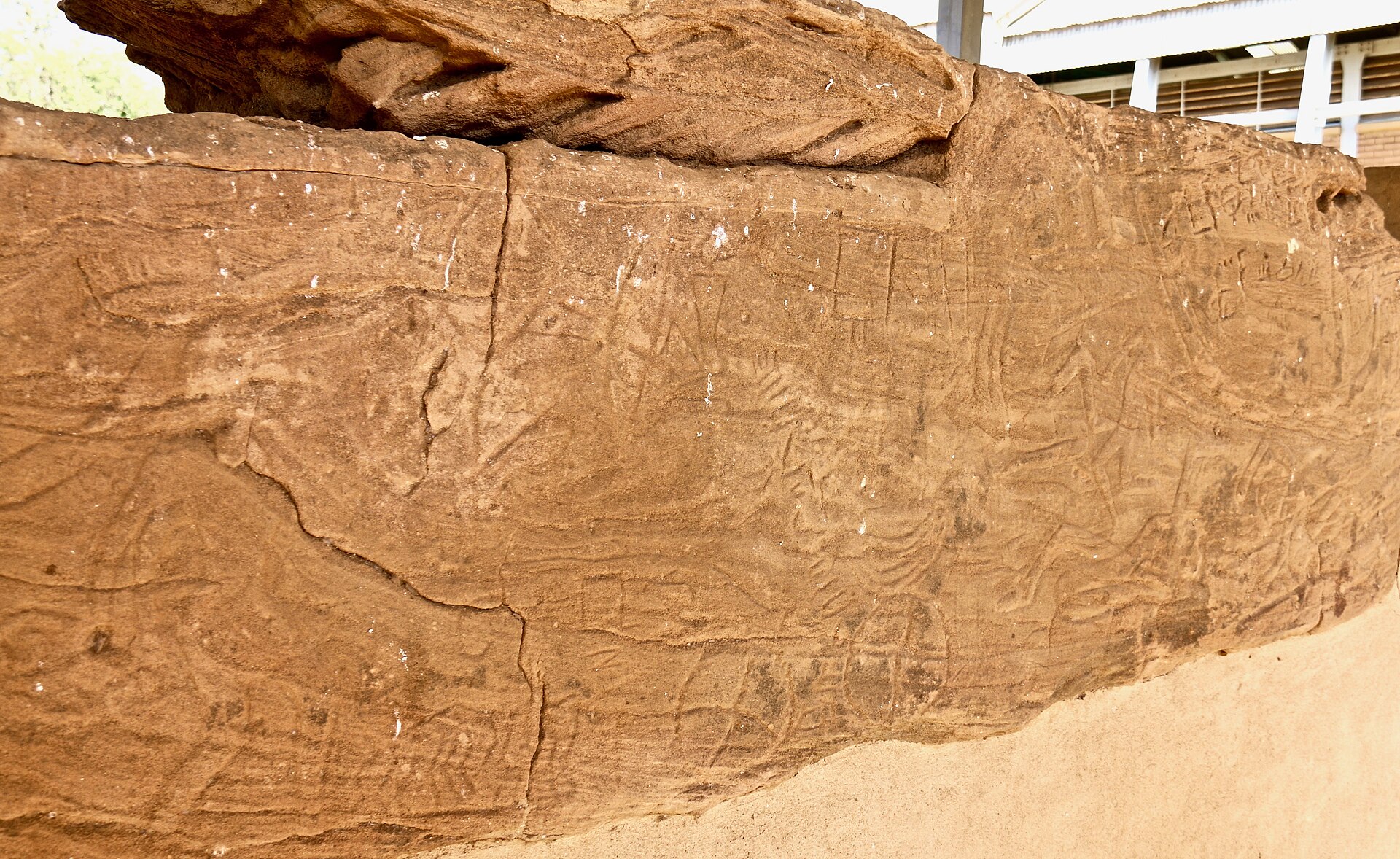
The hall of reconstructed temples is one of the most striking sections. Full-scale replicas of ancient sanctuaries stand as they once did along the Nile. The temple of Buhen, dedicated to the Egyptian goddess Hathor, and the temple of Semna, built for Pharaoh Senusert III, are here. Nearby, original statues, offering tables, and fragments of wall paintings show how these places functioned as centers of worship and power. The details matter—the way light would have fallen on a carved figure, the rituals performed in these halls.
The collection of Nubian mummies and sarcophagi offers another perspective. These displays aren’t polished or theatrical. The coffins, some painted with vivid scenes and hieroglyphs, tell stories of the people inside—kings, priests, ordinary citizens. The artifacts buried with them—jewelry, weapons, household items—reveal a culture that believed in life after death. The craftsmanship stands out, but what lingers is the sense of connection. These were people who lived, loved, and dreamed.
Islamic art and history fill another part of the museum. The collection includes Quranic manuscripts, decorated ceramics, and metalwork. Some pieces tie to Sufi traditions, which have shaped Sudan’s spiritual and cultural life for centuries. These objects—prayer beads, calligraphic panels, ceremonial garments—reflect a way of life that values devotion and skill. The museum shows how these traditions have changed while keeping their core.
The gallery on modern history focuses on Sudan’s 20th and 21st centuries. Photographs, documents, and personal items trace the country’s path to independence and the challenges that followed. Newspapers from the 1950s announce the end of colonial rule. Military uniforms from later conflicts appear alongside everyday objects from turbulent times. This section doesn’t simplify history. It presents it as it was—complicated and human.
The museum makes the past feel close. It’s not just about looking at artifacts. It’s about understanding the people who made them and the world they lived in. The story isn’t handed to you. You piece it together yourself, seeing how history connects across time. For anyone interested in Africa’s past, it’s worth visiting. For Sudanese visitors, it’s a reminder of their heritage—a heritage that still shapes the present.