The Municipal Market is where Maringá shows its everyday self. No scripts, no performances—just the sounds of bargaining, the smell of fresh produce and spices, and conversations that flow from one stall to another. It’s been here since the 1950s, growing from a basic trading spot into something essential: a place where the city’s rhythm is set by the people who use it.
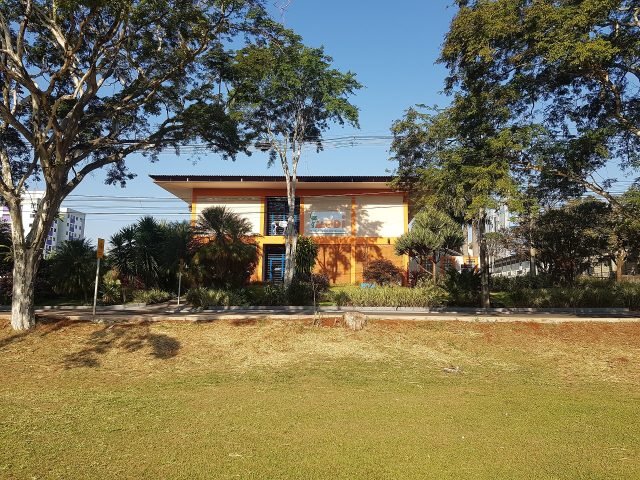
The building is simple. High ceilings and big windows let in light, while open stalls keep things uncluttered but welcoming. It wasn’t built to impress; it was built to work. And it does—holding space for trade, for quick chats, for the kind of moments that happen when people stay a little longer.
Mornings start early. By six, farmers are unloading crates of vegetables and fruit, butchers are arranging cuts, and vendors are setting up displays of cheese and sausage. By nine, the air is thick with the smell of coffee, grilled meat, and spices. The tropical fruits stand out—passionfruit, guava, mango—sold whole or squeezed into juice right there. Some stalls have things you won’t find in supermarkets, like produce that tastes as if it was picked hours ago.
The meat section is serious business. Whole sides of beef, pork, and chicken hang from hooks, along with wild boar or ostrich. Vendors explain which cuts work best for grilling or slow cooking, or share a recipe if you ask. If you’re not taking meat home, you can eat it on the spot: grilled sausages, skewers, blood sausage, all paired with a cold beer or a caipirinha.
But food isn’t the only thing here. You’ll find handmade soap, candles, ceramics, and woven baskets—things people actually use. The spice stalls are worth a look. Malagueta peppers, tapioca leaves, cassava root—sold dried, ground, or fresh. Vendors let you taste or explain how to cook with them.
Different generations come here. Older women shop for staples, young couples pick out dinner, and kids weave between stalls, asking for a slice of cheese or a piece of fruit. The market holds stories—how trade has changed, how the city has grown, what’s stayed the same.
By midday, things slow down. Farmers leave, stalls are cleared, and the last customers finish their coffee. The floors show the day’s wear, and the air still carries the morning’s scents. It’s not empty; it’s just taking a break.
If you visit, don’t expect a tourist experience. There’s no checklist, no set path—just people, goods, and the quiet details that make up the city. You might stay an hour or half a day, watching the shift from morning energy to afternoon quiet. The best thing to do? Let the market set the pace.