Maringá’s Parque do Ingá is one of those rare urban spaces where the city’s usual hum fades into the background, replaced by the quiet rustle of leaves and the occasional laughter of families strolling along its paths. Nestled in the heart of the city, it’s more than just a park—it’s a breathing space where locals and visitors alike come to slow down, whether for a morning jog, an afternoon picnic, or simply to sit beneath the shade of its towering trees. The park has a way of making even the busiest days feel a little lighter, offering a slice of nature without ever leaving the city limits.
The name *Ingá* comes from the native trees that once grew here in abundance, their broad canopies forming a natural shelter against the Brazilian sun. While the park has expanded over the years, many of these trees still stand, their gnarled roots and sprawling branches creating a sense of timelessness. Beyond the ingás, the park is home to a mix of local and introduced plant species, turning it into an informal botanical garden where visitors can wander among palms, flowering shrubs, and the occasional burst of tropical color. It’s not a manicured landscape, but that’s part of its charm—the greenery feels wild in places, as if the park has grown at its own pace rather than being forced into some idealized shape.
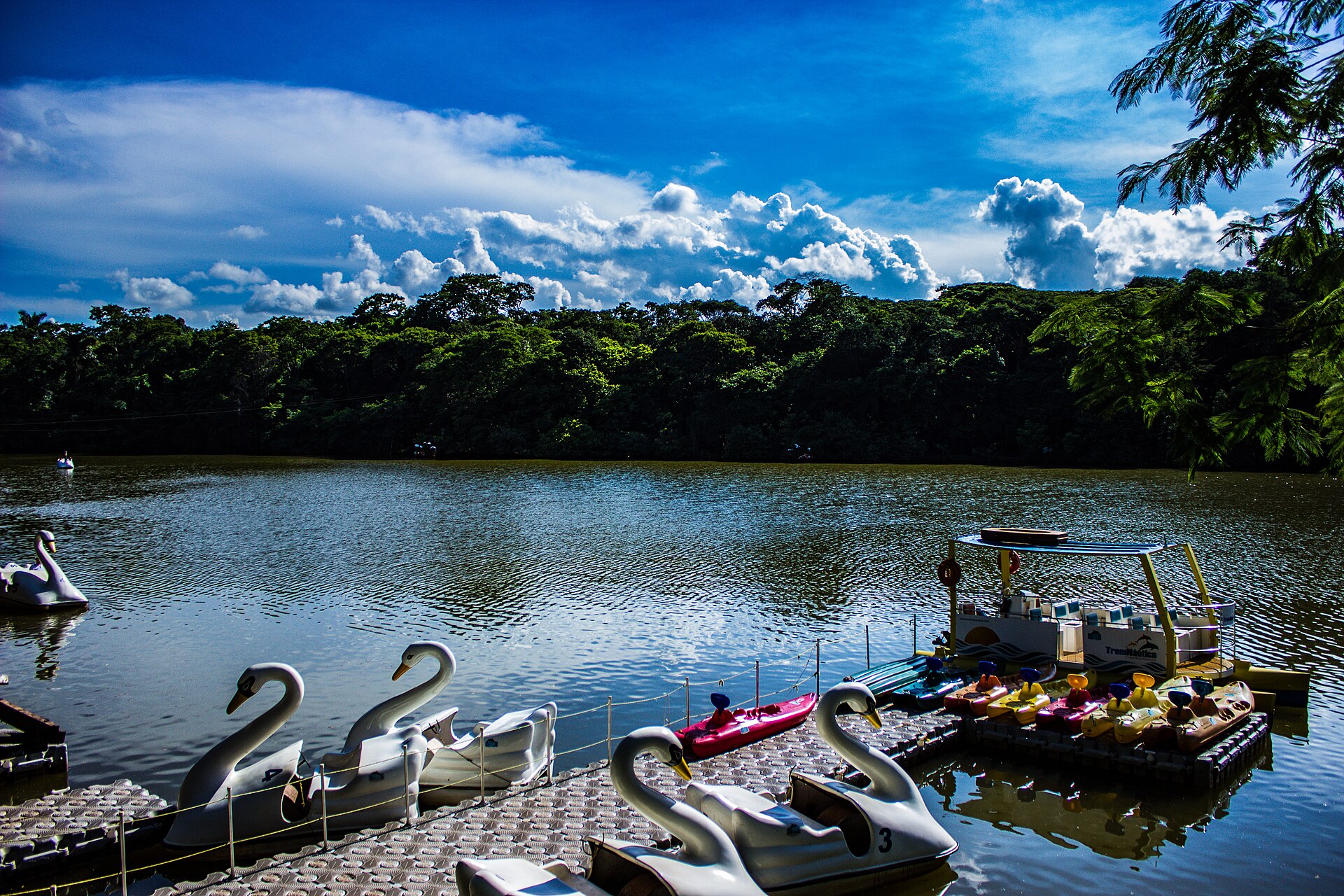
Parque do Ingá is as much a part of Maringá’s history as the city itself. Founded in the mid-20th century, Maringá was designed as a modern urban center, a hub for agriculture and industry in Paraná state. The park was one of the first public spaces created for its residents, opening in the 1970s as a symbol of the city’s ambition to balance progress with livability. Over the decades, it has been renovated and expanded, but its core purpose has remained the same: to give people a place to escape the concrete and reconnect with something simpler. The park’s design reflects this philosophy—unpretentious, functional, and built to last, with wide pathways, open lawns, and a small lake at its center that draws ducks and herons year-round.
The architecture here is understated, almost invisible in its harmony with the surroundings. There are no grand monuments or flashy structures, just a few well-placed benches, a scattering of lampposts that glow softly at dusk, and the occasional wooden bridge crossing a narrow stream. The main promenade, lined with trees, leads to the lake, where the water reflects the sky and the sounds of the city seem to dissolve into the breeze. It’s a place where the built environment feels secondary to the natural one, as if the park’s true purpose is to let the landscape speak for itself.
For those who prefer to stay active, Parque do Ingá offers plenty of ways to move. Sports courts dot the edges of the park, where groups gather for impromptu games of football, volleyball, or basketball. Jogging paths wind through the trees, popular with early risers and evening runners alike, while playgrounds keep children occupied with swings and climbing frames. On weekends, the park fills with families spreading out blankets for picnics, their laughter mixing with the chatter of vendors selling coconut water or fresh fruit. There’s a sense of community here, a shared understanding that this space belongs to everyone, regardless of age or background.
The park also serves as a cultural hub, hosting events that bring the city together. Open-air concerts draw crowds on summer evenings, with local bands playing everything from samba to rock under the stars. During the holidays, the park transforms into a festive wonderland, with Christmas markets, light displays, and performances that turn the usual quiet paths into a lively celebration. These moments give the park a different kind of energy, one that shifts with the seasons and the rhythms of the city. It’s not just a backdrop for these events but an active participant, its trees and open spaces shaping the way people gather and interact.
What’s striking about Parque do Ingá is how it manages to feel both public and personal at the same time. Even on the busiest days, there’s always a quiet corner where you can sit undisturbed, whether on a secluded bench or beneath the low-hanging branches of an old tree. The park doesn’t try too hard to be perfect—some patches of grass are left to grow a little wild, and the paths occasionally curve in unexpected ways, as if inviting you to explore. This lack of polish is part of its appeal, giving it a lived-in, organic feel that more meticulously designed spaces often lack.
For many in Maringá, the park is woven into the fabric of daily life. It’s where first dates happen, where grandparents bring their grandchildren to feed the ducks, where friends meet for a walk after work. It’s a place where people come to think, to talk, or simply to be still for a while. In a city that’s constantly growing and changing, Parque do Ingá remains a constant—a reminder that even in the midst of urban life, there’s room for nature, for quiet, for the simple pleasure of watching the light filter through the leaves. It’s not just a park; it’s a piece of the city’s soul.