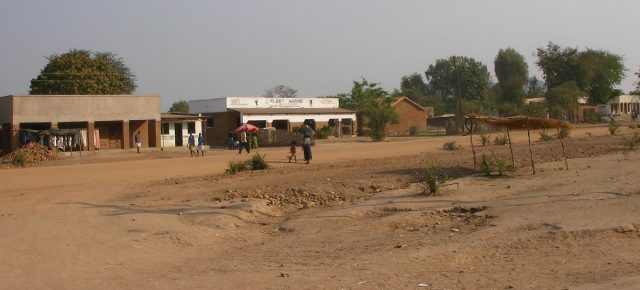
Monkey Bay sits along the shores of Lake Malawi, where time moves as gently as the water itself. There’s no rush here, no pushy vendors or crowded stalls. Instead, the market hums with quiet conversations, the scent of spices and fresh fish, and voices weaving between Chichewa, English, and local dialects. It’s less a place for shopping and more a window into how Malawi lives when no one’s watching.
Though small, the market is the heart of the town. It’s not just rows of goods for sale but a gathering place where fishermen, farmers, craftspeople, and neighbors meet. Mornings are the liveliest time, when boats unload their catch and women arrange piles of vegetables and fruit on woven mats. By midday, the pace slows, and the market becomes a shaded refuge under palm-thatched roofs, where people linger over tea or a quick meal.
The market’s layout is simple, almost makeshift. Wooden stalls, some covered with corrugated metal, others with thatch, stand without much order. There are no grand buildings or polished displays—just practical spaces where trade and conversation happen side by side. When the rains come, parts of the market flood, but the rhythm never stops. The stalls might shift, but the life here doesn’t.
Fish is the main attraction. Lake Malawi is home to hundreds of species, and the market reflects that variety. You’ll see catfish, tilapia, and the prized *chambo*, often smoked, grilled, or sold fresh. The air carries the smell of woodsmoke and spices as vendors clean and prepare their catch right in front of you. A small dried fish called *usipa* is a common snack, crisp and salty, while *chambo* is treated like a delicacy, best eaten with your hands.
Beyond fish, the market offers whatever the season brings. Mangoes, papayas, and bananas appear when they’re ripe, alongside sacks of *nsima*, the maize flour that’s a staple in Malawian meals. Women from nearby villages bring pumpkins, sweet potatoes, peanuts, and cassava leaves. Bargaining isn’t about driving a hard deal—it’s part of the exchange, a chance to chat and learn. If you ask, a vendor might even tell you how to cook what you’re buying.
The market follows its own clock. It opens with the sunrise and winds down as darkness falls. Weekends bring more energy, with traders from surrounding villages setting up extra stalls, musicians playing under the trees, and children darting between the crowds. The mood turns almost festive, as if the whole town has come to celebrate the simple fact of being together.
For visitors, the market is a rare glimpse of Malawi beyond the usual tourist spots. There are no mass-produced souvenirs here. Instead, you’ll find handwoven baskets, clay pots, and wooden carvings made by local artisans. Occasionally, someone might offer old beads or shell jewelry, but the real draw isn’t the goods—it’s the people. Their warmth, their stories, the way they share what they have without expecting much in return.
Monkey Bay is slowly appearing on more travel maps, but the market remains a place for locals first. You could spend an hour watching the world go by or stay all day, sampling food, chatting with vendors, or sitting by the lake with a cup of tea. No one leaves empty-handed—not really. Even a bundle of greens or a handful of peanuts feels like a piece of Malawi, carried home in your pocket.