Lake Nyasa: Africa’s inland sea that refuses to be tamed
Lake Malawi—called Lake Nyasa in Tanzania and simply Malawi by those who live along its shores—is one of Africa’s great inland waters. It sprawls across Malawi, Mozambique, and Tanzania, so vast the opposite bank often dissolves into the horizon. The water shifts between glassy calm and restless waves, as if undecided. For the people who call its edges home, it has always been more than water. It is a road, a larder, a storybook, the pulse of daily life.
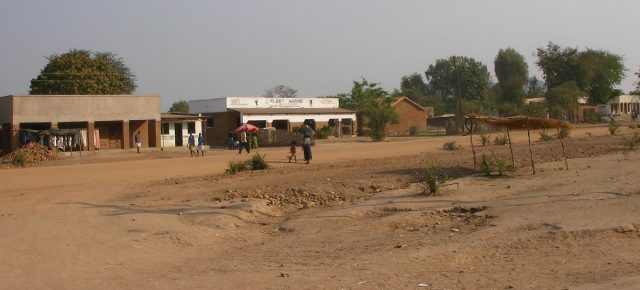
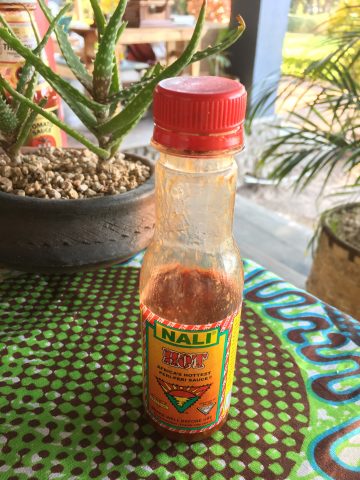
Monkey Bay sits on the lake’s southwestern shore. The settlement moves to the rhythm of waves and wind. No crowded resorts, no tourist traps—just sandy beaches where palm trees lean toward the water. Fishing boats set out at dawn, return by dusk with nets heavy with tilapia. The town is small, its pace unhurried. The people, mostly Chewa and Nyanja, live by fishing and small trade. Along the shore, vendors sell fresh fish, grilled or smoked over open fires, served with piri-piri for those who like it sharp. The market is simple. The food tastes of woodsmoke and the lake.
The lake’s history is part of Africa’s broader story of exploration. A Portuguese traveler first saw it in the mid-19th century. David Livingstone arrived in 1859, struck by its vastness. In the decades that followed, British and Portuguese colonial powers fought over it. Eventually, it fell under British control as part of Nyasaland, which later became independent Malawi. The echoes of that era linger in place names and the occasional colonial-era building. The lake itself remains unchanged.
Beneath the surface, Lake Malawi is extraordinary. It holds over a thousand fish species, most found nowhere else. The most famous are the cichlids—small, vividly colored fish darting among the rocks. Scientists study them for their evolutionary patterns. Aquarium enthusiasts prize them for their beauty. The lake’s shores are dotted with national parks and reserves. Hippos wallow in the shallows. Crocodiles sun themselves on the banks. Birds—pelicans, sunbirds—fill the air with movement and sound.
The water is warm year-round, especially in sheltered bays around Monkey Bay. Swimming is possible, though locals warn against venturing too far. Currents can deceive. Crocodiles are rare but real. For divers and snorkelers, the lake is a revelation. Visibility can reach twenty meters. The underwater landscape rivals any coral reef—rocky outcrops covered in algae, fish slipping through the gaps. The best spots are around the islands, where life teems just below the surface.
Monkey Bay is the natural starting point for exploring farther. Boats leave for Likoma and Chizumulu, two Malawian islands closer to Mozambique than the mainland. Likoma is larger, home to a striking cathedral built by missionaries in the early 20th century. The island feels like another world. Fishermen mend nets. Children play on the shore. The only sounds are wind and waves. The journey itself is part of the experience—the open water stretching endlessly.
There is no rush here. The lake sets the rhythm. Mornings begin with the clatter of fishing boats. Afternoons pass in the shade of a baobab or a slow walk along the beach. Evenings are for watching the sun sink into the water, painting the sky orange and pink. The people are welcoming. They’ll share a story or point out a good swimming spot, then leave you to your quiet.
The land around Monkey Bay offers its own discoveries. Gentle hills rise from the shore, their slopes covered in dry-season grass and the occasional baobab. Hiking trails wind through them, offering views of the lake stretching to the horizon. Nearby villages keep traditional crafts alive. Women weave baskets from reeds. Men carve canoes from single tree trunks. Children play games passed down for generations. The past isn’t just remembered here—it’s lived.
Lake Malawi doesn’t try to impress. No grand resorts, no manicured beaches, no scripted experiences. What it offers is something rarer: a place that feels real. The water is alive with fish. The air hums with birdsong. The people live as they have for decades. For some, it’s a brief stop. For others, a place that lingers, drawing them back. No one leaves unchanged. The lake doesn’t just sit on the map. It exists in its own time, following rules older than borders or nations.