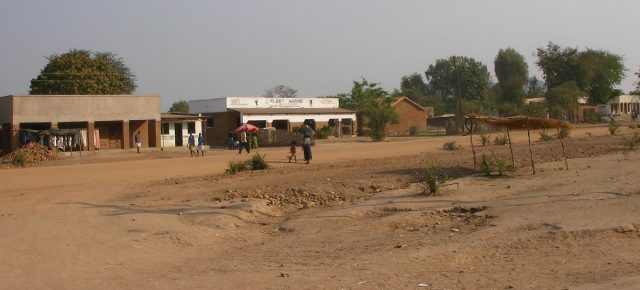
Monkey Bay sits on the southern shore of Lake Malawi, a place where time moves to the rhythm of the water. There’s no rush here, no grand boulevards or crowds of visitors—just quiet streets, palm trees leaning toward the lake, and that soft, golden light that lingers over the water at dawn. The town feels like a pause in the world’s constant motion, and the jetty is where the land and the lake meet, day after day, without ceremony but with a quiet, unshakable familiarity.
The jetty itself isn’t much to look at—no polished promenades or tourist attractions, just weathered wooden pilings sinking into the water, their surfaces cracked by years of sun and rain. Boats are tied up alongside, ranging from simple dugout canoes to sturdier fishing vessels, their hulls worn smooth by use. Mornings are the liveliest time, when fishermen load their nets, women sell fresh catch straight from the boats, and children dart along the shore, sending up sprays of water as they run. The lake here is clear, with a faint greenish tint, and if you look closely, you can spot small fish darting between the rocks beneath the surface.
Lake Malawi is one of Africa’s largest lakes, and for Monkey Bay, it has always been more than just water. The fish pulled from its depths feed not only the town but the surrounding villages as well. At the jetty, you can buy the day’s catch directly from the boats—usually chisawasawa, a local fish similar to perch, or usipa, often grilled over charcoal and wrapped in banana leaves. The scent of smoked fish mingles with the salt-tinged air, and in that simple combination, you understand why people come here. It’s not for spectacle, but for the unfiltered pulse of life.
The jetty is also a gateway to the rest of the lake. Boats depart from here for the scattered islands or the lakeside villages where roads don’t reach. A journey across the water is an experience in itself. Some days, the lake is so still it mirrors the sky; other times, the wind kicks up ripples that blur the horizon into a single expanse of blue. Along the shore, you might glimpse fishing villages where homes are built from reeds and clay, and children play in the sand, barely glancing up as a boat passes.
Monkey Bay’s history is woven into the lake. Long ago, the jetty was a stop on trade routes, a place where goods moved between the shore and the water. Later, during colonial times, the town became a waypoint for travelers heading inland. Little remains from that era now—just a few old buildings with wide verandas, where British officials might once have sipped tea, and street names that have faded from memory. But the lake endures, and the jetty still serves the same purpose it has for generations.
There are no luxury hotels or restaurants with menus in five languages here. Instead, you’ll find small guesthouses with rooms overlooking the water and simple cafes serving fish cooked the local way. In the evenings, fires flicker on the jetty, and if you’re lucky, someone might be playing a guitar or singing to the beat of a drum. The music is unpolished, but it carries the same easy authenticity as everything else in Monkey Bay.
Lake Malawi doesn’t just feed the people here—it soothes them. Time slows in Monkey Bay, and even those who come for just a few days quickly adjust to its pace. Mornings can be spent on the jetty with a cup of tea, watching fishermen return with their catch. Evenings might be for walking along the shore, listening to the water lap against the pilings and the rustle of palm fronds in the breeze. There’s no need to hurry or seek anything out. The lake has always been here, steady and unchanged, no matter what happens on its shores.