Mérida is a city where the past and present blend so seamlessly that the line between them often blurs. Colonial architecture stands beside modern life, and nowhere is this more evident than at the Mercado Lucas de Gálvez, a market that has been at the heart of the city for over a century. More than just a place to buy and sell, it’s a living organism, a microcosm of Yucatán’s soul. Everyone who steps beneath its roof becomes part of something larger than a simple transaction—whether they realize it or not.
The market took shape in the late 1800s, when Mérida was thriving thanks to the henequen boom. The fibrous plant, used to make ropes and sacks, brought wealth to the region, and the city expanded rapidly. With growth came the need for a central marketplace where people could find everything in one place. Lucas de Gálvez answered that call—a spacious building with high ceilings and arched walkways that housed dozens of stalls selling food, fabrics, handicrafts, and household goods. Over time, it evolved into more than just a commercial hub. It became a social center where people exchanged news, gossip, and recipes, turning daily errands into a communal experience.
The architecture of the market tells its own story. Built in the style typical of Mexican markets from that era, it features brick walls, metal frameworks, and large windows that let in light while shielding visitors from the harsh sun. Inside, the layout is intuitive: a main corridor leads to the busiest sections, while narrower side passages offer quieter corners where unexpected finds might be tucked away. The building bears the marks of time—peeling paint, rusted metal—but these imperfections only add to its charm. It doesn’t try to be pristine; it simply exists, and that authenticity is part of its appeal.
Mornings at Lucas de Gálvez start early. Before dawn, farmers from nearby villages arrive with fresh produce—vegetables, fruits, and herbs that fill the air with the scent of ripe mangoes, avocados, and epazote, an herb essential to Yucatecan cooking. Vendors arrange their goods as the first shoppers begin to wander the aisles, haggling over prices. Bargaining isn’t just expected here; it’s part of the culture. No one pays the first price asked, and a skilled negotiator can walk away with a deal that’s nearly half the original cost.
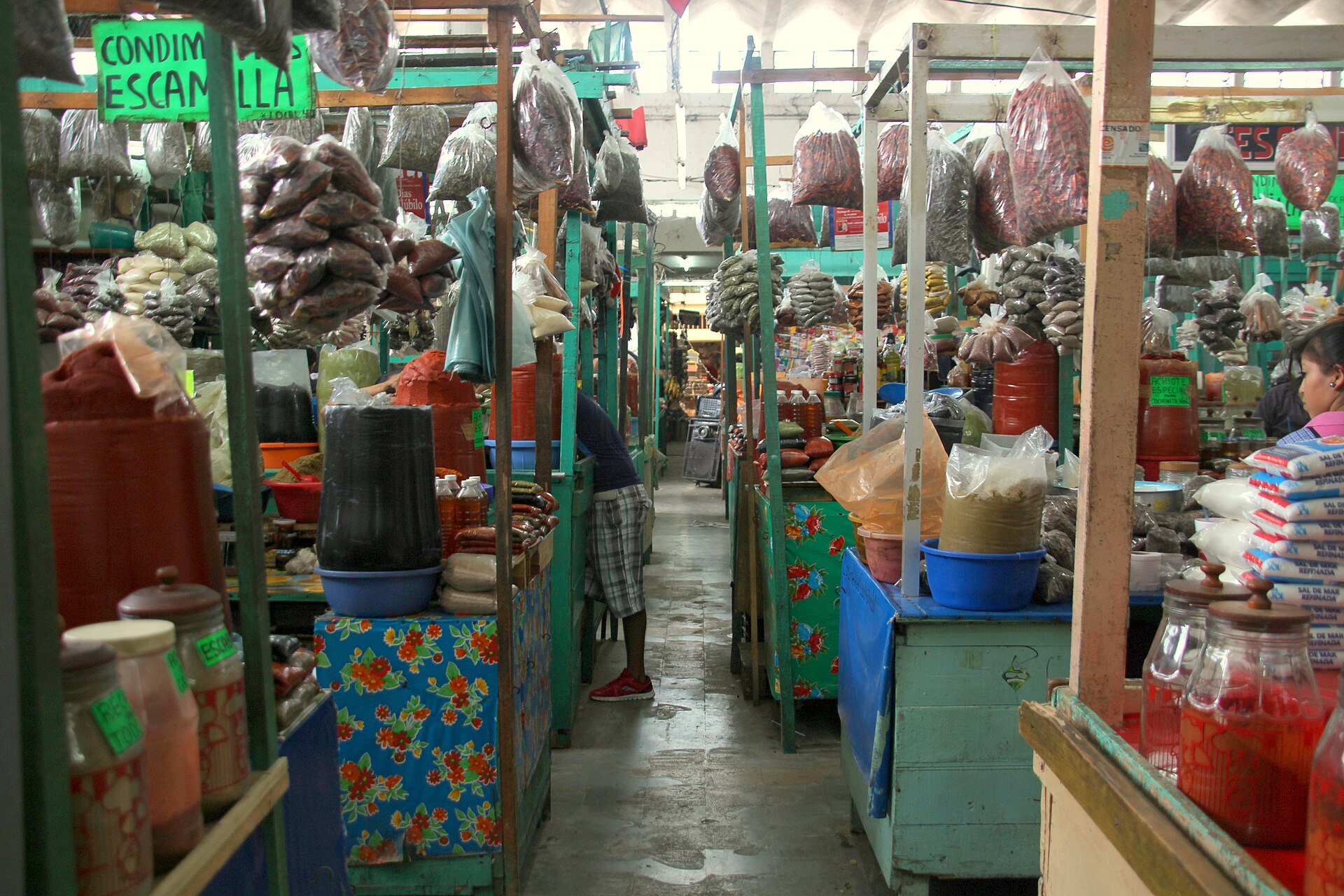
Beyond the produce stalls lies a world of spices and dried herbs. This is where the ingredients for traditional dishes come to life—annatto seeds that give food its vibrant red hue, dried habanero chilies that pack a fiery punch, and ground pumpkin seeds used in sauces. Nearby, you’ll find piles of dried shrimp for making *sokká*, a local soup, and banana leaves used to wrap *tamales* before steaming. For those unfamiliar with the ingredients, vendors are usually happy to explain how to use them, turning a simple purchase into a small lesson in Yucatecan cuisine.
But the market isn’t just about food. It’s also a treasure trove of local crafts. Hand-embroidered tablecloths, palm-leaf baskets, clay pottery, and silver jewelry fill the stalls, many made using techniques passed down through generations. The embroidery often features patterns used by the Maya long before the Spanish arrived, while the pottery is fired in kilns built using methods that haven’t changed in centuries. Buying something here isn’t just a transaction; it’s a way to take home a piece of history.
By midday, the market buzzes with activity. Locals go about their shopping while tourists wander the aisles, soaking in the atmosphere. Some take photos of the colorful stalls, others sample street food like *panuchos*—fried tortillas topped with beans and meat—or *salbutes*, crispy pastries stuffed with chicken and vegetables. If you’re lucky, you might stumble upon an elderly woman selling *zapote* juice, a drink made from a fruit that tastes like a mix of caramel and almond.
As evening approaches, the market begins to wind down. Farmers head home, vendors pack up their goods, and the last shoppers hurry to finish their errands. But even after the stalls close, the energy doesn’t disappear. The surrounding streets come alive with bars and restaurants where people gather for cold beers or traditional dishes prepared using recipes that have been perfected over generations. The market may quiet down, but the city’s rhythm never does.
Today, Lucas de Gálvez is more than just a place to shop. It’s a symbol of resilience and continuity, a rare constant in a world that changes at breakneck speed. Here, time moves to its own beat, offering a glimpse of the real Yucatán—unfiltered, unpretentious, and deeply human. Visiting Mérida without stopping by the market would mean missing out on the city’s heartbeat, the pulse of a place where history and daily life intertwine effortlessly.