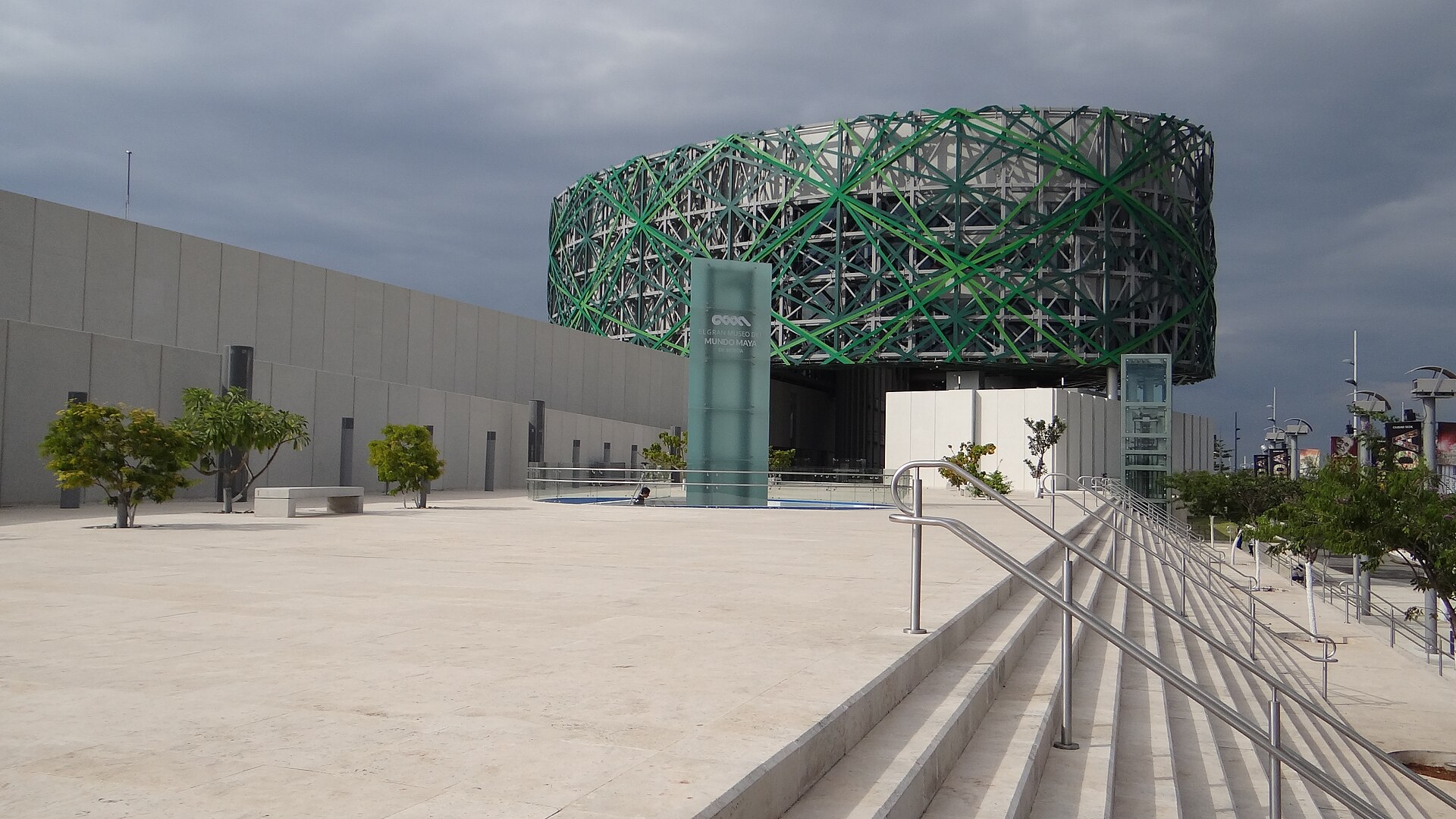
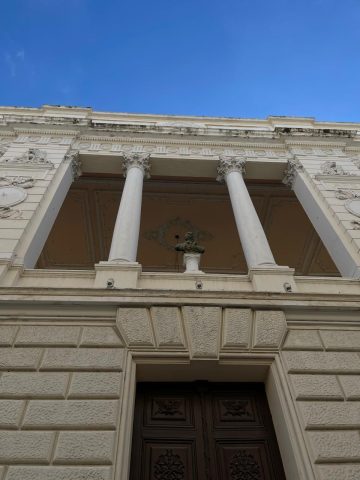
The Great Museum of the Maya World in Mérida is more than just a collection of artifacts—it’s an attempt to weave together the past and present of a people whose legacy still shapes every corner of the Yucatán Peninsula. The building itself is a statement, designed to resemble the ceiba tree, sacred to the Maya, with roots buried deep in the earth and branches reaching toward the sky. Local architects crafted it with deliberate reverence, blending forms that echo ancient temples with natural materials that seem to transport visitors across time. There’s no grandiosity here, just a quiet acknowledgment of history in every line and curve.
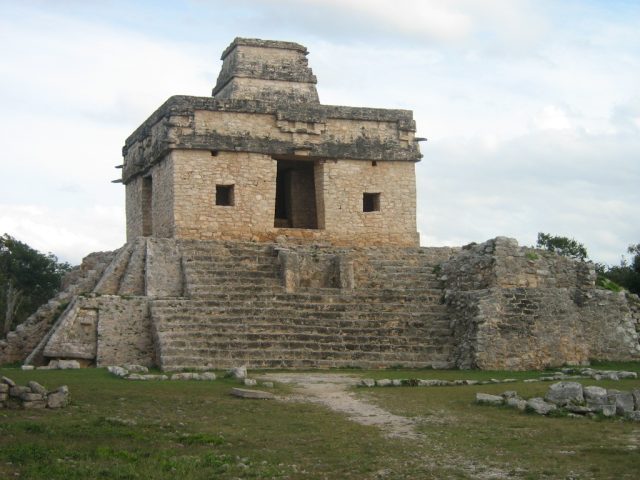
Inside, the museum avoids the dry recitation of facts that so often defines historical exhibitions. Instead, it breathes life into the story of the Maya, using interactive maps to trace the rise and fall of cities, and reconstructions of daily life to show how people lived, traded, and worshipped a thousand years ago. The artifacts on display—many from nearby archaeological sites like Chichén Itzá and Uxmal—include intricately patterned pottery, jade ornaments, tools, and ritual objects that once played a role in a vast cosmological order. These aren’t just relics; they’re fragments of a world that still resonates today.
What sets this museum apart is its refusal to treat the Maya as a vanished civilization. One of its central themes is continuity, demonstrating how ancient traditions persist in modern Yucatecan communities. Exhibits on weaving, pottery, and even the Maya language reveal a culture that is very much alive. There are sections dedicated to festivals, cuisine, and music, showing that the Maya are more than pyramids and calendars—they’re a living, evolving culture. The museum doesn’t romanticize the past; it simply presents it as part of an ongoing story.
Among the most striking exhibits are the few surviving codices—rare manuscripts that survived the Spanish conquest. Each one is a window into how the Maya understood the world, filled with hieroglyphs, astronomical calculations, and myths. The museum doesn’t just display these texts; it explains their significance, revealing the sophistication of a civilization that mapped the stars and measured time with astonishing precision. Nearby, modern research breaks down these ancient writings, making it clear how advanced Maya knowledge truly was.
The museum is designed as a meeting point between eras, and this philosophy extends to even the smallest details. In the astronomy hall, ancient star observations sit alongside contemporary telescopes on the roof, bridging centuries of celestial study. The agriculture exhibit pairs traditional corn-growing techniques with stories of how these methods still sustain local farmers today. It’s a reminder that Maya history isn’t confined to the past—it’s part of a living, adapting tradition.
Outside, the museum’s gardens grow plants the Maya used for food, medicine, and daily life—agave, henequen, various peppers. Walking these paths feels like an extension of the exhibits, a chance to see history in a more tangible form. Occasionally, workshops are held here, where local artisans demonstrate traditional crafts like pottery and weaving, using tools and techniques that have changed little over the centuries. It’s a rare opportunity to see heritage not as something preserved behind glass, but as a skill passed down through generations.
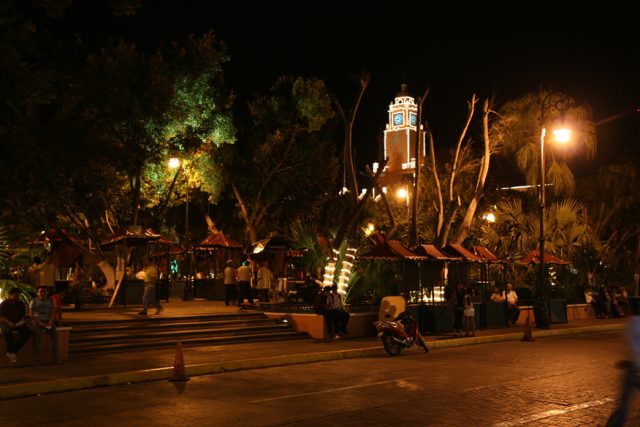
For Mérida, this museum has become a cultural hub, drawing not just tourists but locals eager to connect with their roots. The city itself is a blend of colonial architecture and ancient ruins, where Spanish and Maya languages mingle in the streets. In this context, the museum isn’t a luxury—it’s a necessity. It doesn’t just tell the story of what was; it helps visitors understand what it means to be Maya today. The past isn’t something distant here; it’s a thread woven into the fabric of everyday life, and the museum ensures that thread remains unbroken.