Paseo de Montejo is one of Mérida’s most distinctive streets, a place where the city’s layered past brushes against its everyday present. Stretching from the older neighborhoods in the south toward the more modern districts in the north, it feels like a seam between two eras of Mexican life. In the late 19th century, this was where Mérida’s wealthy families strolled in their finest clothes, their carriages rolling past grand mansions. Today, the street belongs to everyone—families pushing strollers, groups of friends catching up, and night owls drifting between bars and cafés.
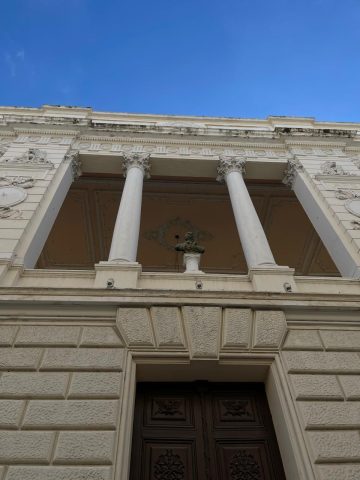
The architecture here is a quiet record of the city’s changing tastes. Neoclassical facades stand beside eclectic villas, their designs blending Moorish arches with French flourishes. One of the oldest buildings is the Casa de Montejo, built in the late 1500s, its carved stone doorway a rare surviving trace of the Spanish conquest. The house feels like a bridge to Mérida’s earliest days, when it was just beginning to take shape as the capital of Yucatán.
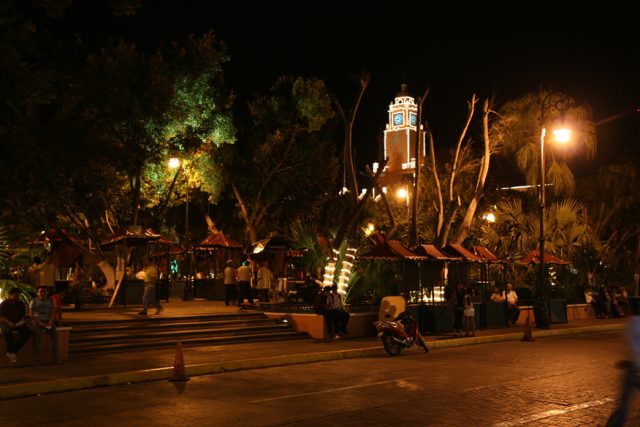
On weekends, the street transforms. Cars are banned, and the pavement becomes a playground for cyclists, skaters, and pedestrians. The sidewalks hum with activity—cafés spill onto the pavement, serving everything from slow-cooked cochinita pibil to wood-fired pizzas. The best spots are the ones with open-air seating, where you can linger over a cold beer or a margarita and watch the street come alive.
The monuments along Paseo de Montejo aren’t just decorative; they’re open-air lessons in history. The statue of Father Hidalgo stands as a reminder of Mexico’s fight for independence, while the sculptural group of Mérida’s founders honors the Spanish settlers who first claimed this land. These aren’t just relics—they’re part of the street’s living conversation between past and present.
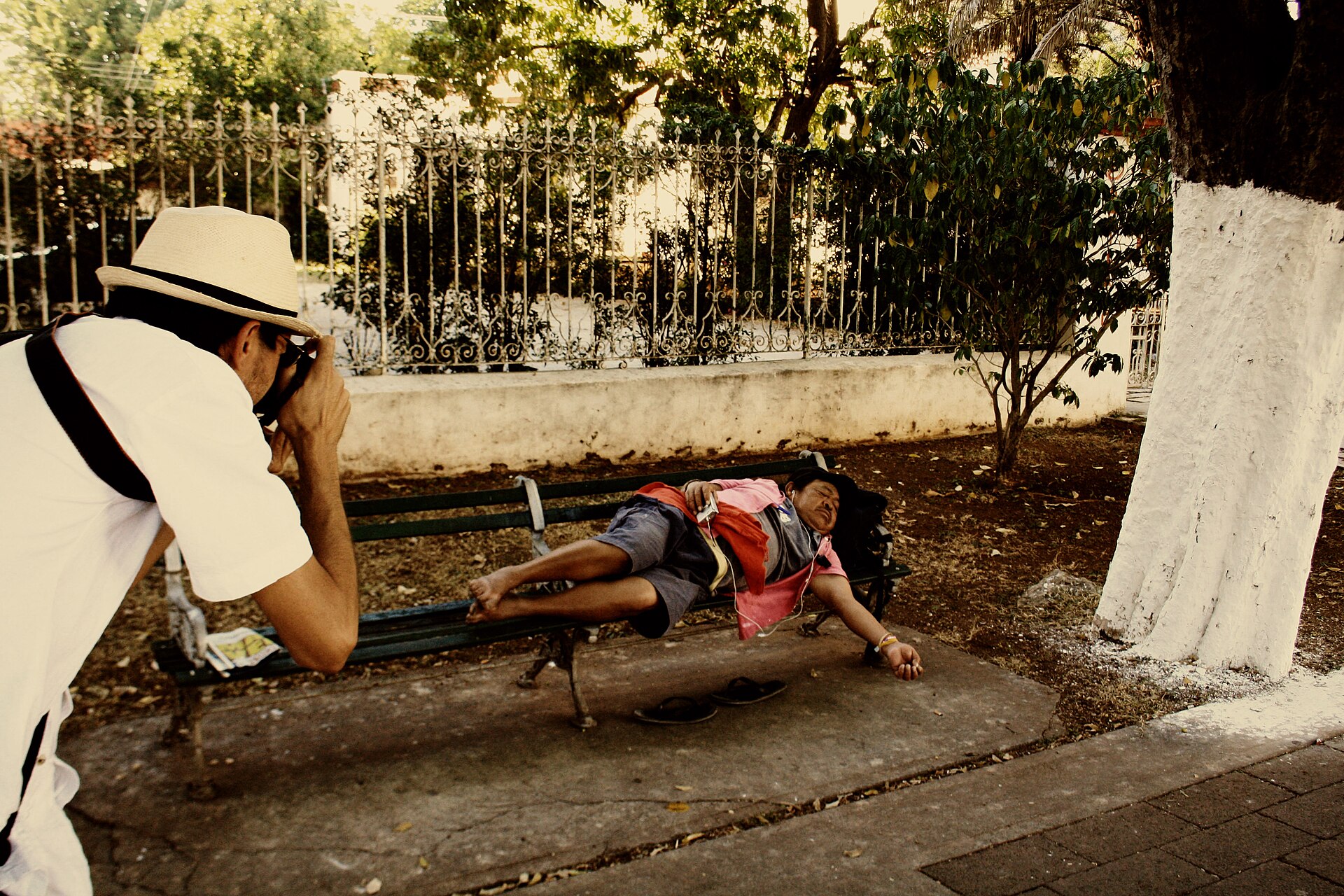
Shade trees line the sidewalks, their branches arching over benches and flowerbeds bursting with color. On any given afternoon, you might find an artist sketching the facades or a musician playing traditional jarana music. In the summer, the street hosts festivals where vendors sell handwoven hammocks, embroidered textiles, and local sweets like marquesitas. The atmosphere is unhurried but never dull, a balance that feels distinctly Yucatecan.
Named after Francisco de Montejo, the conquistador who founded Mérida, the street carries more than just his legacy. It’s a place where generations of locals have gathered, where visitors get their first real sense of the city’s rhythm, and where Mérida’s identity is both preserved and reimagined. There’s no rush here, no big-city urgency, but neither is there the sleepy stillness of a backwater town. Instead, Paseo de Montejo offers something quieter: a space to wander, to sit, to connect with the city’s past while watching its present unfold.