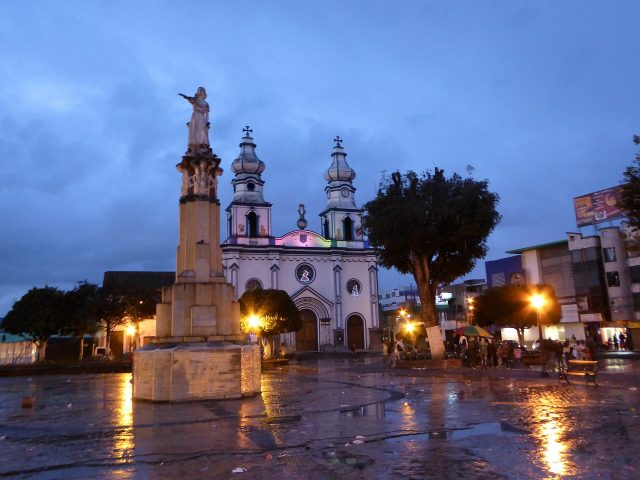
Ipiales is where Colombia shows itself without pretense. The city sits in the south, near the Ecuadorian border, and its market isn’t just a place to shop—it’s the pulse of local life, drawing people from the surrounding countryside. There are no curated displays here, just the rhythm of daily existence. If you want to see how Colombians live, this is where you’ll find it.
The market wakes before dawn. By six in the morning, farmers unload fresh produce, vendors arrange goods, and locals hurry to stock up. The air smells of spices, bread, sizzling meat, and coffee. One scent stands out: ajiaco, the Colombian soup cooked in massive pots. Chunks of chicken, corn, and potatoes go into the broth with guasca, the herb that gives it flavor.
The market spreads across several blocks in the city center. One corner holds fruit—mangoes, passionfruit, guavas, and anon, their sweetness unlike anything in supermarkets. Nearby, vendors press fresh juices, blending exotic fruits with water or milk. A few steps away, meat stalls offer beef, pork, and chicken. Sometimes you’ll see guinea pig, an Andean dish with roots centuries old. Elsewhere, dried herbs, smoked sausages, and local cheeses fill the air.
Handicrafts have their own space. Wool ponchos, hats, embroidered bags, clay pottery, and silver jewelry with semi-precious stones line the stalls. Many are made by indigenous communities. The patterns on a poncho aren’t just decoration—they’re symbols passed down through generations. Vendors will explain the meanings if you ask.
But the market is more than shopping. It’s where people gather to talk, gossip, or settle disputes over coffee. In the small eateries, a farmer might sit with a city official, or teenagers share empanadas. There’s no hierarchy—just food, conversation, and the day’s business. Strangers become temporary neighbors.
The market’s history goes back to colonial times, when Ipiales was a key stop on the trade route between Bogotá and Quito. Mule caravans carried goods, and locals traded with indigenous communities. Over time, the market grew but kept its roots. Today, it’s one of Colombia’s most authentic, untouched by mass tourism. It hasn’t been repackaged for visitors. It’s still for locals, and that’s what makes it special.
The buildings are simple, made for function. Low-slung stalls with corrugated metal roofs shelter from sun and rain. Inside, goods spill onto tables, and people move through the aisles. In older sections, wooden beams or stone walls remain. It’s not grand, but that’s why it feels alive—it’s not a museum.
For travelers tired of scripted experiences, the market in Ipiales offers something rare: everyday Colombian life. You can taste food as locals eat it, hear stories from people who know the city, and see how communities come together. It’s not designed for tourists. It’s where you step into real life, even briefly. That’s why some return—not for souvenirs, but for the feeling of belonging.