Gikongoro Market is where Rwanda reveals itself without filters, far from the image often presented to visitors. There are no glossy storefronts or souvenir stalls here. Instead, the market is a square where the daily rhythm of a small town unfolds.
Gikongoro isn’t Kigali with its neighborhoods or the lakeside resorts of Kivu. It’s a place where people rely on one another in ways that feel ordinary and significant.
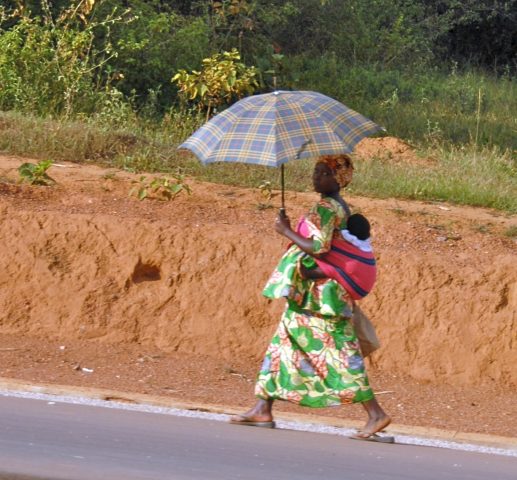
This is the heart of the community, drawing farmers from surrounding villages who arrive with their harvests of bananas, beans, sweet potatoes, or fresh milk. Women in traditional dresses arrange their goods on woven mats or in large baskets, spreading them out on the ground. Nearby, men haggle over slabs of meat hanging from hooks under corrugated iron roofs, the air thick with the scent of raw produce. Rain or shine, the market carries on, whether the ground turns to mud or the sun beats down.
The architecture here is functional. Wooden and metal stalls stand low to the ground, their roofs propped up by uneven poles. Meat vendors set up next to vegetable sellers, who share space with stalls selling plastic sandals, batteries, and bars of soap. It looks unplanned, but there’s an order to it. Locals know where to find what they need, navigating by scent, sound, and memory. Visitors learn to do the same.
What sets Gikongoro Market apart is its rural character. Unlike the capital’s markets, where you can find electronics or imported goods, here the products are local—grown or produced within a few dozen kilometers. The staples are bananas, cassava, corn, and beans. Meat is fresh, slaughtered that morning. Fish appears only on certain days, when it’s brought in from Lake Kivu. Clothing, tools, and household items are basic, affordable, and meant for the people who live here.
The market follows its own rhythm. Mornings start before dawn, as traders unload their carts. By eight o’clock, the square is active—some come to buy groceries, others to catch up on news. Children dart between stalls, helping their parents. By midday, the heat drives people into the shade, and the market quiets. But by late afternoon, it revives as those who missed the morning rush arrive to bargain over the day’s remaining stock.
For outsiders, Gikongoro Market offers a glimpse of Rwanda without pretense. There are no guides reciting stories, no corners designed for visitors. Instead, there’s daily life—where haggling is tradition, where everyone knows each other, where deals are sealed with a handshake. The noise, the press of bodies, the smells can be overwhelming. But the market doesn’t try to impress; it simply exists, as it always has.
The history of the market is tied to Gikongoro itself. The town was once the administrative center of its province, and the market has always been its lifeblood. Even during conflict and hardship, the market never closed. It was where news spread, where people found normalcy amid uncertainty. Today, Gikongoro is no longer a provincial capital, but the market remains the same.
Spending time here means slowing down. Watching a woman in a headscarf haggle over greens, or an old man inspecting batteries for his flashlight. Occasionally, you might find handwoven baskets, clay pots, or wooden spoons—items that carry local craftsmanship. Most people are welcoming, happy to explain what something is or how it’s used, even if language is a barrier.
There’s no rushing at Gikongoro Market. No checkout lines, no price tags, no digital transactions. Everything happens through conversation and negotiation. A single purchase might take minutes or half an hour. The market doesn’t bend to modern life. It moves to its own rhythm, refined over generations. For those used to supermarkets, it can feel disorienting. But it’s where you sense the pulse of Rwanda—not the one in travel brochures, but the one that persists, day after day.