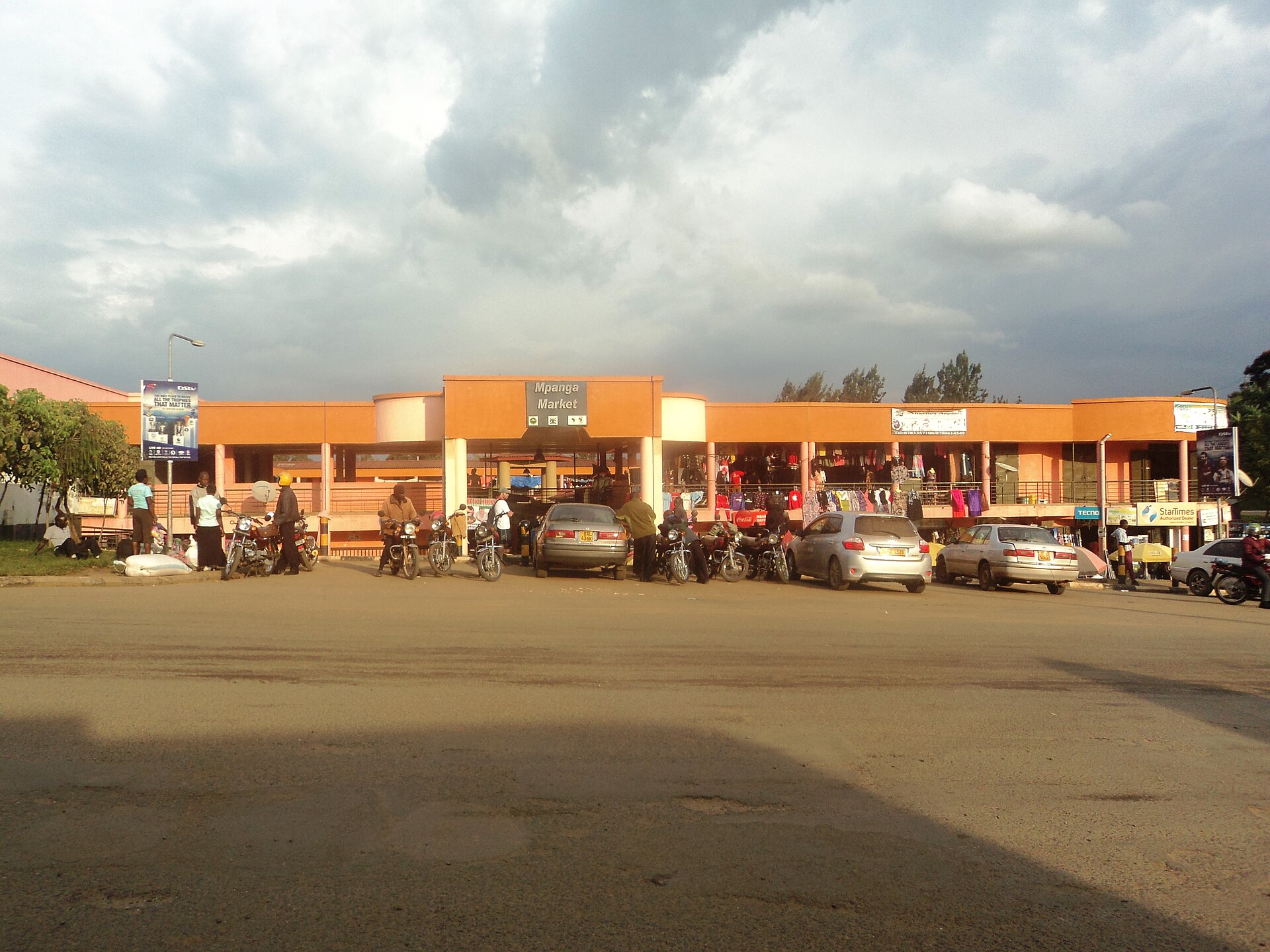
Fort Portal’s market is one of those places where the pulse of everyday life beats strongest in western Uganda. Unlike the polished tourist hubs in Kampala or the wildlife reserves that draw visitors from afar, this market is first and foremost a local affair—a sprawling, unpretentious maze of stalls where the rhythms of trade, conversation, and tradition unfold without fanfare. It sits near the heart of the town, a short walk from the colonial-era clock tower that still marks the center of Fort Portal, though the market itself feels far removed from any sense of official history. Here, the past and present coexist not in monuments or plaques, but in the way people move through the space, the goods they sell, and the stories they carry.
The market is a patchwork of sections, each with its own character. Near the entrance, the air is thick with the scent of fresh produce—piles of matooke, the starchy green bananas that form the backbone of Ugandan cuisine, stacked alongside avocados, passionfruit, and the deep purple of eggplants. Further in, the stalls shift to dried goods: beans, maize, and groundnuts sold in sacks, their earthy tones contrasting with the bright plastic basins used to measure out portions. Then come the spices—heaps of red chili, turmeric, and curry powder, their aromas mingling with the smoke from charcoal stoves where women fry chapati or roast maize for passersby. The market isn’t just a place to buy food; it’s where the flavors of the region are preserved and passed down, where a meal’s ingredients tell the story of the land and the hands that cultivated them.
Beyond food, the market spills into other worlds. There’s a section devoted to secondhand clothes, where piles of faded T-shirts, jeans, and dresses from distant countries are sorted through by shoppers hunting for a bargain. Nearby, tailors sit behind sewing machines, altering garments on the spot or stitching together new ones from bolts of fabric printed with bold African patterns. Hardware stalls sell everything from nails and hammers to plastic jerrycans, the kind used to ferry water from wells or transport fuel for boda-bodas, the motorbike taxis that buzz through Fort Portal’s streets. And then there are the crafts—handwoven baskets, wooden carvings, and beaded jewelry, though these are less prominent than in markets aimed at tourists. Here, the focus is on utility, on the things people need to get through the day.
The market’s architecture is as functional as it is unremarkable. Most of the stalls are simple wooden structures, their corrugated iron roofs providing shade from the equatorial sun. Some areas are open-air, with vendors sitting on low stools behind their wares, while others are covered by tarpaulins stretched between poles, creating a makeshift canopy. There’s no grand design, no attempt at aesthetic cohesion—just a space that has grown organically over time, shaped by the needs of the people who use it. In the early morning, the market is bathed in soft light, the air cool and damp from the night’s rain. By midday, the heat builds, and the crowd thickens, with voices rising in a mix of Rutooro, Luganda, Swahili, and English as deals are struck and gossip is exchanged.
What makes Fort Portal’s market special isn’t any single feature, but the way it embodies the town’s identity. Fort Portal is often called the gateway to the Rwenzori Mountains, a jumping-off point for treks into the fabled "Mountains of the Moon." But while tourists pass through on their way to national parks or chimpanzee sanctuaries, the market remains a constant, a place where the town’s residents—farmers, traders, students, and laborers—converge. It’s where a farmer from the nearby hills might sell a sack of potatoes before stopping to buy a new hoe, where a schoolteacher picks up ingredients for dinner while catching up on the latest news from a neighbor. The market is a social hub as much as an economic one, a place where relationships are maintained and community is reinforced.
The history of the market is intertwined with Fort Portal’s own evolution. The town was established in the late 19th century as a British colonial administrative center, and its layout still reflects that era, with wide streets and low-slung buildings. The market likely began as an informal gathering of traders, growing over time as the town expanded. Today, it’s a fixture of daily life, though it has faced challenges. Like many markets in Uganda, it has had to adapt to changing economic pressures, from the rise of supermarkets to the disruptions caused by the COVID-19 pandemic. Yet it persists, resilient in the face of modernization, because it serves a purpose that no supermarket or online store can replicate.
Visiting the market is an immersion in the sensory and social fabric of western Uganda. There’s no script here, no curated experience—just the raw, unfiltered reality of life in a town that exists outside the usual tourist itineraries. The sounds are a constant hum: the clatter of metal basins, the hiss of oil in a frying pan, the shouts of vendors calling out prices, the laughter of children weaving between stalls. The colors are equally vivid—the deep greens of leafy vegetables, the reds and yellows of spices, the muted tones of secondhand clothes, the bright wrappers of sweets sold to schoolchildren. And then there are the people, each with their own story, their own reasons for being there.
For those willing to linger, the market offers small but meaningful insights into Ugandan life. You might watch a woman carefully selecting the ripest matooke, pressing each one with her thumb to test its firmness. Or you might see a group of men gathered around a stall selling local brew, their voices low as they discuss the day’s events. There’s a rhythm to the place, a sense of order within the apparent chaos. Vendors know their regular customers, and customers know which stalls offer the best quality or the fairest prices. Trust is built over time, through repeated interactions, and the market thrives on these relationships.
In a country where so much attention is focused on wildlife and natural beauty, Fort Portal’s market is a reminder that Uganda’s soul is found just as much in its people as in its landscapes. It’s not a place that demands admiration or awe, but one that invites quiet observation and participation. Whether you’re there to buy a handful of groundnuts, to soak in the atmosphere, or simply to witness the everyday, the market offers a glimpse into the lives that make Fort Portal more than just a stopover on the way to somewhere else. It’s a place where the ordinary becomes extraordinary, not because of what it is, but because of what it represents.