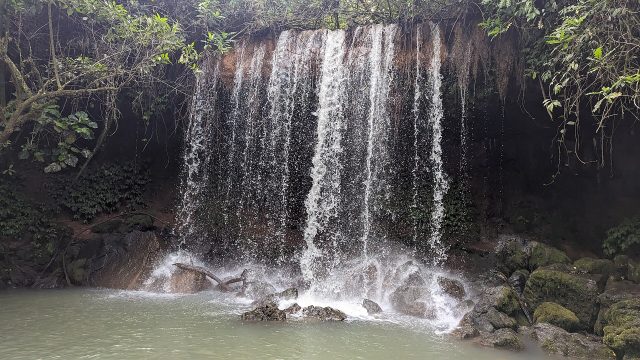
Kibale National Park feels like one of those rare places where the wild has been left to its own devices. Tucked near the town of Fort Portal in western Uganda, it covers nearly 800 square kilometers of dense rainforest, swamps, and grasslands. There are no crowded trails here, no tourist buses, just the quiet hum of an ecosystem that has thrived for centuries. The park is best known for its primates—particularly chimpanzees—but that’s only part of the story. The landscape shifts from tangled undergrowth to open meadows, and the air is thick with the sounds of birds, insects, and the occasional rustle of leaves as something unseen moves through the trees.
The history of Kibale is woven into the fabric of the region. Long before it became a protected area, these forests were home to local communities who lived in balance with the land, hunting, gathering, and relying on the forest’s resources. When Uganda fell under British rule in the early 20th century, scientists began exploring the area, drawn by its unique biodiversity. It wasn’t until 1993, however, that Kibale was officially designated a national park, a move driven by the growing threat of deforestation and agricultural expansion. Today, the park serves as both a sanctuary for wildlife and a living laboratory for researchers, particularly those studying primate behavior.
Chimpanzees are the park’s most famous residents, and for good reason. Kibale is home to one of the largest populations of these animals in East Africa, and encounters with them are almost guaranteed if you join a guided trek. Walking through the forest with an experienced guide, you might hear their calls echoing through the trees before you spot them swinging from branch to branch or foraging on the ground. Watching a group interact—playing, grooming, or caring for their young—feels like glimpsing a parallel world. But chimpanzees aren’t the only primates here. The park is also home to red colobus monkeys, black-and-white colobus, L’Hoest’s monkeys, and the striking blue monkeys, each with their own behaviors and quirks.
The forest itself is a character in its own right. Towering trees form a dense canopy, their branches intertwined so tightly that sunlight barely filters through. Epiphytes—plants that grow on other plants without harming them—cling to trunks and limbs, adding layers of texture to the greenery. Mosses, ferns, and orchids thrive in the damp, shaded environment, giving the forest an almost otherworldly feel. During the rainy season, the air is alive with the sound of dripping water and the chorus of frogs and insects. In drier months, the forest quiets slightly, but the sense of depth and mystery remains, as if every turn in the trail could reveal something new.
Beyond primates, Kibale is home to a surprising variety of wildlife. Forest elephants and buffaloes move quietly through the undergrowth, while leopards—though rarely seen—leave their tracks in the mud. Antelopes like the elusive duiker dart between the trees, and over 375 species of birds fill the air with song. For birdwatchers, the park is a paradise, especially in the early morning when the forest is most active. Waterbirds gather near the swamps, and if you’re lucky, you might spot a shoebill or one of the many colorful turacos that flit through the branches.
Visiting Kibale is as much about understanding the forest as it is about seeing its inhabitants. Guided walks are kept small to minimize disruption, and the rangers who lead them share insights not just about the animals but about the plants, the ecosystem, and the relationship between the forest and the people who live nearby. You might learn how certain trees are used in traditional medicine or which fruits are safe to eat. Some tours even include visits to local communities, offering a glimpse into how people have coexisted with the forest for generations.
Fort Portal, the nearest town, makes a convenient base for exploring the park. It’s a quiet place, surrounded by rolling hills covered in tea plantations, with a laid-back atmosphere that feels a world away from the hustle of Uganda’s larger cities. The streets still carry traces of colonial architecture, and the pace of life is slow, giving visitors time to unwind after a day in the forest. Many travelers combine a trip to Kibale with visits to nearby attractions, like the crater lakes that dot the landscape around Fort Portal or the snow-capped peaks of the Rwenzori Mountains, just a few hours away.
What makes Kibale special is its sense of untouched authenticity. There’s no rush here, no need to tick off a checklist of sights. The forest moves at its own pace, and visitors are just temporary observers in its world. It’s a place that reminds you how vast and intricate nature can be—and how fragile. While it may not have the fame of some of Africa’s larger parks, that’s part of its charm. For those who want more than just a quick photo opportunity, Kibale offers something deeper: a chance to step into a world that feels both ancient and alive.