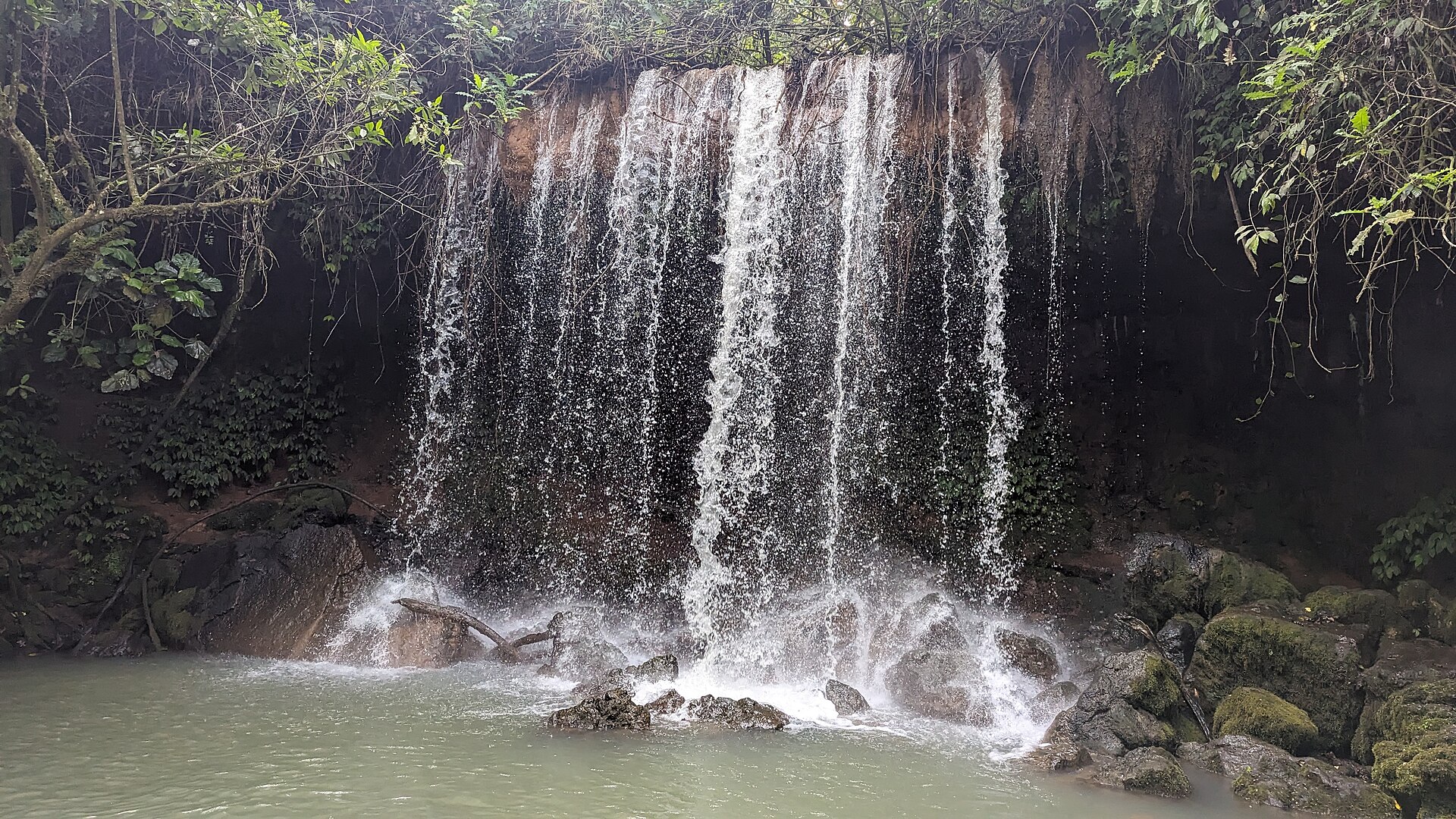
Fort Portal sits in the shadow of the Rwenzori Mountains, where the earth has quietly shaped one of Uganda’s most unexpected landscapes. Here, among rolling tea plantations and misty hills, lies a cluster of crater lakes—dozens of them, scattered like scattered jewels across the countryside. Unlike the vast, open waters of Lake Victoria or the dramatic falls of Murchison, these lakes are intimate, almost secretive. Each one occupies the hollow of an ancient volcanic crater, their still surfaces reflecting the sky and the surrounding greenery in near-perfect symmetry. The area is not a national park or a heavily touristed reserve, which means you won’t find crowds or manicured trails. Instead, it feels like stumbling upon a hidden corner of the world, where nature has been left to its own quiet rhythms.
The lakes vary in size and character. Some are deep and dark, their waters holding secrets of centuries-old eruptions. Others are shallow, fringed with reeds and alive with the calls of birds. A few are so still they seem like mirrors, while others ripple gently with the breeze, their edges softened by papyrus and wild grasses. The most accessible are clustered near the town of Fort Portal itself, within easy reach of the road, but the real magic lies in the ones tucked further away, where the landscape grows wilder and the sense of isolation deepens. There’s no grand entrance or ticket booth—just dirt paths winding through villages and farmland, leading you to the water’s edge.
The origins of these lakes stretch back thousands of years, to a time when the region was geologically restless. The craters were formed by explosive volcanic activity, though the volcanoes themselves have long since gone dormant. Over time, rainwater filled the depressions, creating the lakes we see today. The soil here is rich, a legacy of ancient eruptions, and the surrounding land is lush with vegetation. Tea and coffee plantations cover the hillsides, their orderly rows contrasting with the untamed beauty of the lakes. The area is also home to a mix of ethnic groups, including the Batooro and Bakiga people, whose lives have long been intertwined with this landscape. Their stories and traditions add another layer to the place, though they’re not always visible to the casual visitor.
One of the most striking things about the crater lakes is how little they’ve changed. Unlike other natural wonders that have been commercialized or fenced off, these remain largely untouched. There are no souvenir stalls or guided tours with set itineraries. Instead, you might meet a local farmer who points you toward a lesser-known lake, or a fisherman casting his net into the shallows. The lakes are used for washing, fishing, and even swimming, though the water can be deceptively cold. Some are believed to have healing properties, and you’ll occasionally see people collecting water in jerrycans, carrying it home for rituals or remedies. The absence of overt tourism means the experience feels more personal, as if you’ve been let in on a secret rather than ushered through a checklist of sights.
The best way to explore is on foot or by bicycle, following the network of dirt roads and footpaths that crisscross the area. A walk from Fort Portal to Lake Saaka, one of the larger and more popular lakes, takes about an hour, passing through small villages where children play in the yards and women tend to gardens. The path is lined with eucalyptus trees, their scent mingling with the earthy smell of damp soil. Further afield, lakes like Nyabikere and Kigere require a bit more effort to reach, but the reward is solitude. You might spend an afternoon sitting by the water, watching kingfishers dart across the surface or listening to the distant lowing of cattle. There are no grand viewpoints or scenic overlooks—just the quiet satisfaction of being in a place that feels undiscovered.
For those who want to linger, there are a handful of lodges and guesthouses in the area, ranging from simple rooms in family-run homestays to more comfortable eco-lodges tucked into the hills. Many offer views of the lakes or the Rwenzori Mountains, which loom in the distance like a silent guardian. The food is typically local—matoke, groundnut sauce, fresh fish from the lakes—prepared with ingredients grown nearby. Evenings are cool, especially in the higher elevations, and the air is filled with the sounds of crickets and the occasional call of a nightjar. It’s a place where time slows down, where the days are measured not by the clock but by the movement of the sun and the changing light on the water.
The crater lakes are also a gateway to other parts of western Uganda. From Fort Portal, it’s possible to venture into Kibale Forest for chimpanzee tracking, or head toward the Semuliki Valley, where hot springs bubble up from the earth. The Rwenzori Mountains, Africa’s fabled "Mountains of the Moon," are within reach for those willing to tackle a multi-day trek. But even if you never leave the lakes, there’s enough here to fill several days. You could spend one morning watching the mist rise off the water, another exploring the backroads by bike, and an afternoon simply sitting under a tree, listening to the wind rustle through the leaves. The beauty of the place lies in its simplicity—no grand spectacles, just the quiet, enduring presence of water and earth.
What makes the crater lakes of Fort Portal special isn’t just their appearance, though they are undeniably beautiful. It’s the way they exist in the world—as part of the daily lives of the people who live here, as a reminder of the earth’s ancient forces, and as a place where nature hasn’t been tamed or packaged for visitors. There are no signs urging you to take a photo, no gift shops selling trinkets, no guides reciting rehearsed facts. Instead, there’s the stillness of the water, the rustle of the wind, and the occasional splash of a fish breaking the surface. It’s a place that invites you to slow down, to pay attention to the small things, and to remember what it feels like to be in a landscape that hasn’t been altered to fit the expectations of travelers. In a world where so many natural wonders have been turned into attractions, the crater lakes of Fort Portal remain refreshingly, quietly real.